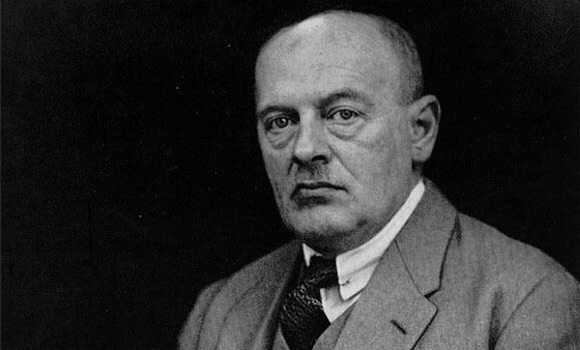
The very interesting philosopher, Max Scheler, died on this date in 1928. He was a prominent influence in ethics, phenomenology, and personalism. He had an eclectic trajectory involving his German Jewish background, his youthful interest in Nietzsche and Marx, his gradual embrace of Catholicism, and his eventual distancing from the Church.
Scheler was quite interesting and imaginative and the impression he made on twentieth century thought is detectable, particularly in many Jewish and Catholic thinkers who address such topics as shame, resentment, and values.
Today I was returning to his book Person and Self-Value and, in particular, to the third section on “Exemplars of Persons and Leaders” in which he reflects on the question of what is actually meant by following an exemplar:
 DYING TO MEET YOU