Death as gratitude

I love Rabbi Abraham Joshua Heschel’s writing so much.

It has that confident aphoristic quality to it that elicits attention.

Such is the case with his short essay entitled, “Death as Homecoming.”

Right at the beginning, Rabbi Heschel proposes that “in a way death is the test of the meaning of life. If death is devoid of meaning, then life is absurd. Life’s ultimate meaning remains obscure unless it is reflected upon in the face of death.”

Still, Heschel is keen to note that the Hebrew Bible and Jewish tradition do not stress “the problem of dying” so much as they stress “how to sanctify life.”

Continue reading

The Art of Dying Well

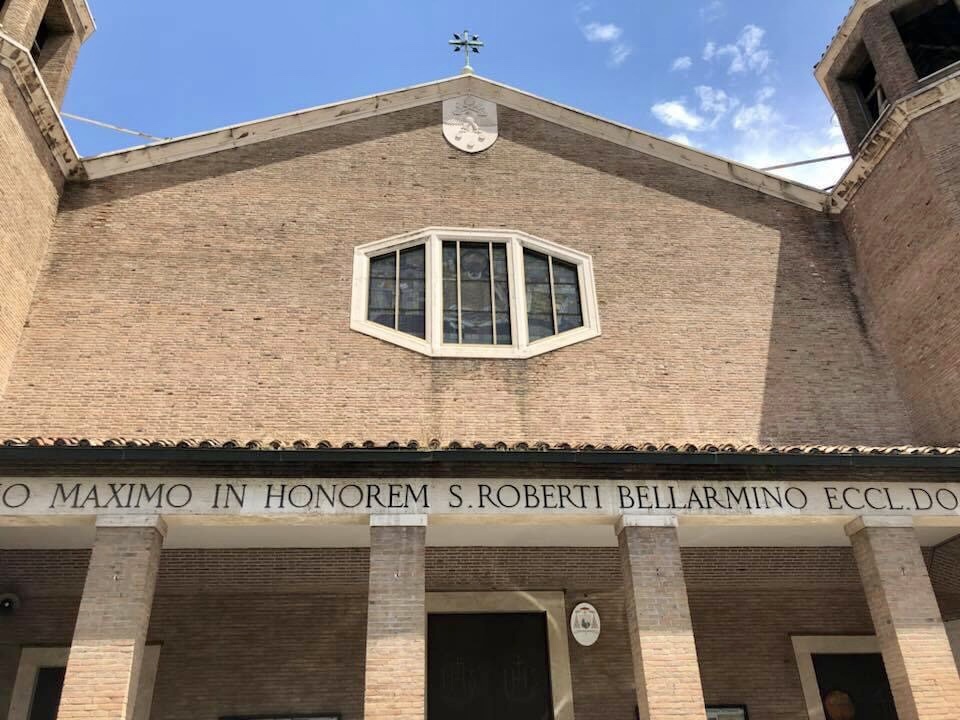
Today a Facebook memory came up from three years ago when I happened upon the Church of St. Robert Bellarmine in Rome.

I recognized the patron of the church as the author of a book that I had very much enjoyed reading a few months earlier entitled The Art of Dying Well.

As I stood outside the church, I recalled St. Bellarmine’s remark, “Now every one will admit, that the ‘Art of dying Well’ is the most important of all sciences; at least every one who seriously reflects…”

The most important of all sciences!

Well, if you have not until now considered it a science, here is a excerpt from his preface to introduce you to the tenor of his argument:

Continue reading

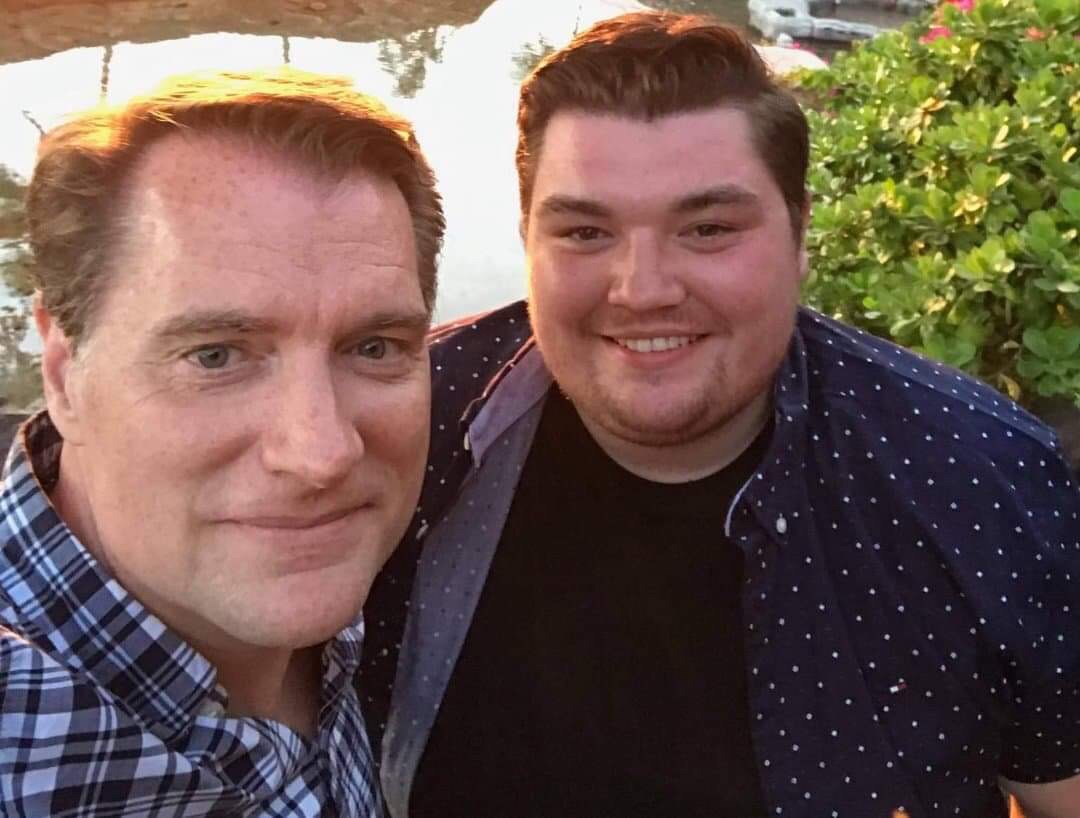
From Disbelief to Advocacy: A son responds to his father’s ALS diagnosis

Brett Wilson was just 22 years old in the summer of 2019 when his father Rick was diagnosed with ALS.

ALS stands for amyotrophic lateral sclerosis and is a fatal nervous system disease.

In Canada, Rick was unable to secure a definitive diagnosis and so he travelled to the U.S.

“The verdict that he ‘might have ALS’ was not good enough for us,” Brett explained. “We needed clarity about what is essentially a death sentence of a disease since ALS involves a usual prognosis of a 2-5 year lifespan after the onset of symptoms.”

While awaiting confirmation of the disease, Brett refused to believe that his father had the terminal illness.

“I refused to believe it or talk about it,” he told me. “I kind of shunned my extended family who wanted to talk about it and, of course, for a while, it’s all they would talk about.”

Once Rick received the formal diagnosis, Brett remembers that his own life became “a cloud of stress.”

His grades took a hit in his fourth year of university and he marvels at how something about which he had previously known next to nothing became a consuming and omnipresent reality.

Continue reading

Suffering in the Spotlight

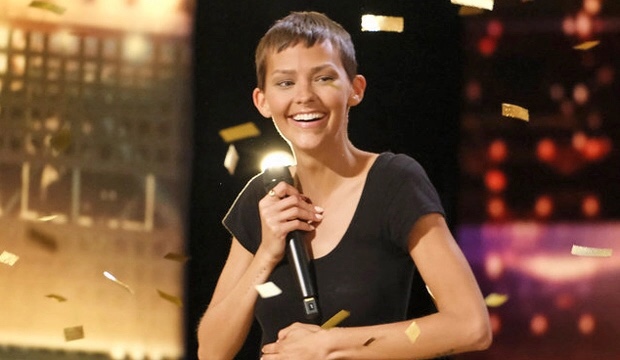
I have been captivated by a recent audition on America’s Got Talent.

It is worth every second of your next seven and a half minutes to watch it, here:

Since watching Nightbirde’s audition a few times, I have also watched a couple interviews that she has given in recent days, checked out these podcasts between her and Virginia Dixon, and perused some of her blog posts.

Continue reading

Investing in the Richness of Life

This morning, I was drinking some orange juice that I had picked up at Shoppers Drug Mart when I realized that it tasted nothing like the freshly squeezed organic orange juice that I have taken to buying at Farm Boy.

And every now and again, I eat some not-so-quality chocolate and realize its inferiority compared to the exquisite and delicious chocolate that I like to buy at Stubbe Chocolates here in Ottawa.

This is not about decadence or extravagance, but about quality and appreciation.

I remember reading a personal finance book when I was a teenager that discussed how foregoing $5 daily lattes (and similar “unnecessary” routine expenses) could lead to “building wealth” or “finishing rich.”

Continue reading

Worth Doing Badly

Tonight I am remembering the oft-cited G.K. Chesterton quotation, “If a thing is worth doing, it is worth doing badly.”

It is seems to me that some of the things I find particularly worth doing and so that remain worth doing, even badly, are: studying new languages, attempting new skills, and learning more about cultural and religious traditions.

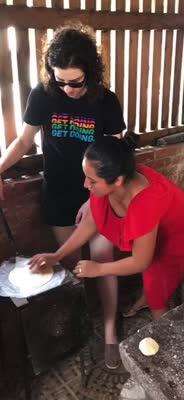
In the clip above, I was on a coffee plantation tour in Mexico when I stopped to attempt to make tortillas.

As you can see, it went rather badly.

As you can also see, I was smiling quite a lot and found it worth doing.

What is it about certain things that make them worthwhile even if we are not excellent at them?

In one of his letters, the poet Rainer Maria Rilke wrote:

Continue reading

“You need to have an accident…”

This evening I was having a phone visit with my friend Don, who recently celebrated his 90th birthday.

I always enjoy our weekly chats, and tonight he discussed something that I found particularly insightful.

“I have a 7-person health team,” Don told me. “I have a heart doctor, a GP, an ophthalmologist, a dentist, a foot/nails doctor, a personal trainer, and a Chinese massage therapist.”

He named each member of his health team with pride and appreciation.

Then Don told me, “I had some friends who were so successful, so smart, so rich and they’re all gone. I don’t think they had a health team.”

I asked Don why he thinks his affluent friends had not attended to their health like he does.

“They don’t know what they don’t know,” he suggested.

Continue reading

Plague and Enlightenment

As the pandemic is being overcome, I am returning to this piece I wrote on March 16, 2020 weaving together Albert Camus’ The Plague with the contemporary events that were emerging with COVID-19.

Here’s the last paragraph of the novel with some lines emphasized:

None the less, he knew that the tale he had to tell could not be one of a final victory. It could be only the record of what had had to be done, and what assuredly would have to be done again in the never ending fight against terror and its relentless onslaughts, despite their personal afflictions, by all who, while unable to be saints but refusing to bow down to pestilences, strive their utmost to be healers. And, indeed, as he listened to the cries of joy rising from the town, Rieux remembered that such joy is always imperiled. He knew what those jubilant crowds did not know but could have learned from books: that the plague bacillus never dies or disappears for good; that it can lie dormant for years and years in furniture and linenchests; that it bides its time in bedrooms, cellars, trunks, and bookshelves; and that perhaps the day would come when, for the bane and the enlightening of men, it would rouse up its rats again and send them forth to die in a happy city.

“For the bane and enlightening of men…”

The word “bane” has the sense of “that which causes ruin or woe” and is related to the terms “killer, slayer, murderer, a worker of death.”

The word “enlightenment” has the connotation “‘to remove the dimness or blindness’ (usually figurative, from one’s eyes or heart).”

Has this COVID-19 pandemic in any way removed the dimness from our hearts?

“Plague” and “enlightenment”, which at first seem greatly opposed, are, in Camus’ understanding, more related that they appear.

Don’t Die Twice

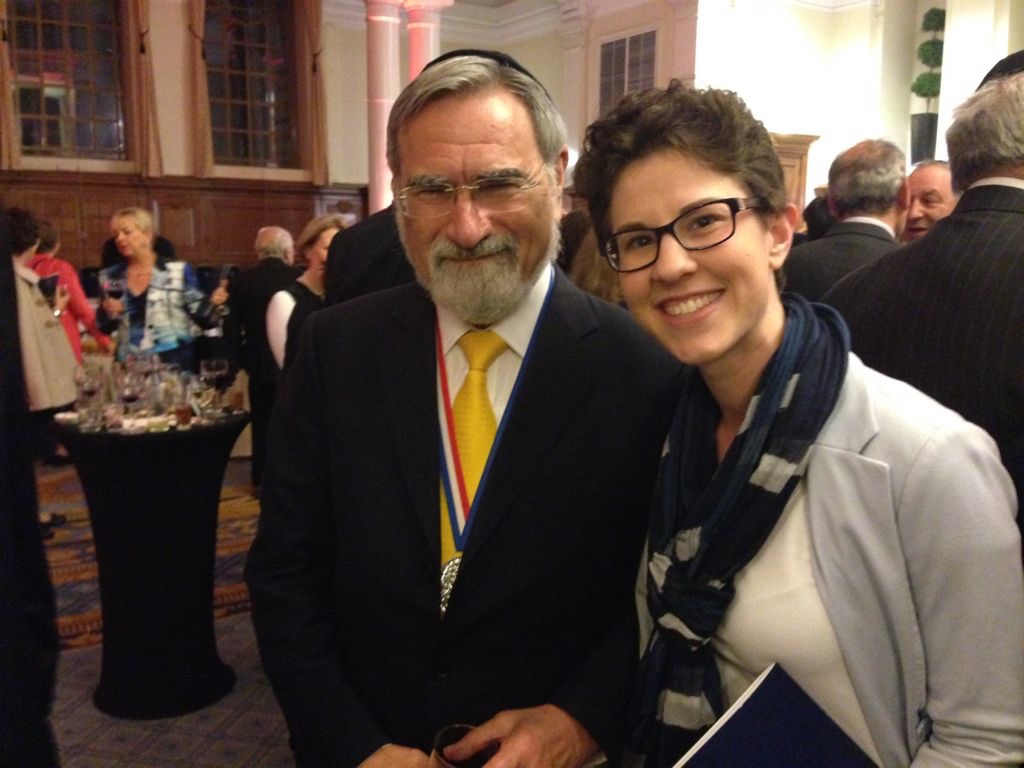
Recently I have been reflecting on a particular chapter in the last book Rabbi Lord Jonathan Sacks published just before his death. The book is titled Morality: Restoring the Common Good in Divided Times and the chapter that I have in mind is titled “Victimhood.”

Rabbi Sacks opens the chapter with a discussion of Yisrael Kristal, a Holocaust survivor who lived to be 113.

During the Holocaust, Yisrael’s wife and children were murdered. And, after years in ghettos and concentration camps, he weighed just 82 pounds.

We learn that Yisrael remained a religious Jew throughout his life. He married another survivor with whom he had children and they settled in Haifa and opened a business selling sweets and chocolates as he had done in Poland.

Rabbi Sacks goes on to compare Yisrael Kristal to Abraham insofar as Yisrael was able to integrate into his life completely the transformative idea: “To survive tragedy and a trauma, first build the future. Only then, remember the past.”

“There are real victims,” Rabbi Sacks affirms. “And they deserve our empathy, sympathy, and compassion. But there is a difference between being a victim and defining yourself as one. The first is about what happened to you. The second is about how you define who and what you are. The most powerful lesson I learned from these people I have come to know, people who are victims by any measure, is that, with colossal willpower, they refused to define themselves as such.”

Continue reading

What would you die for?

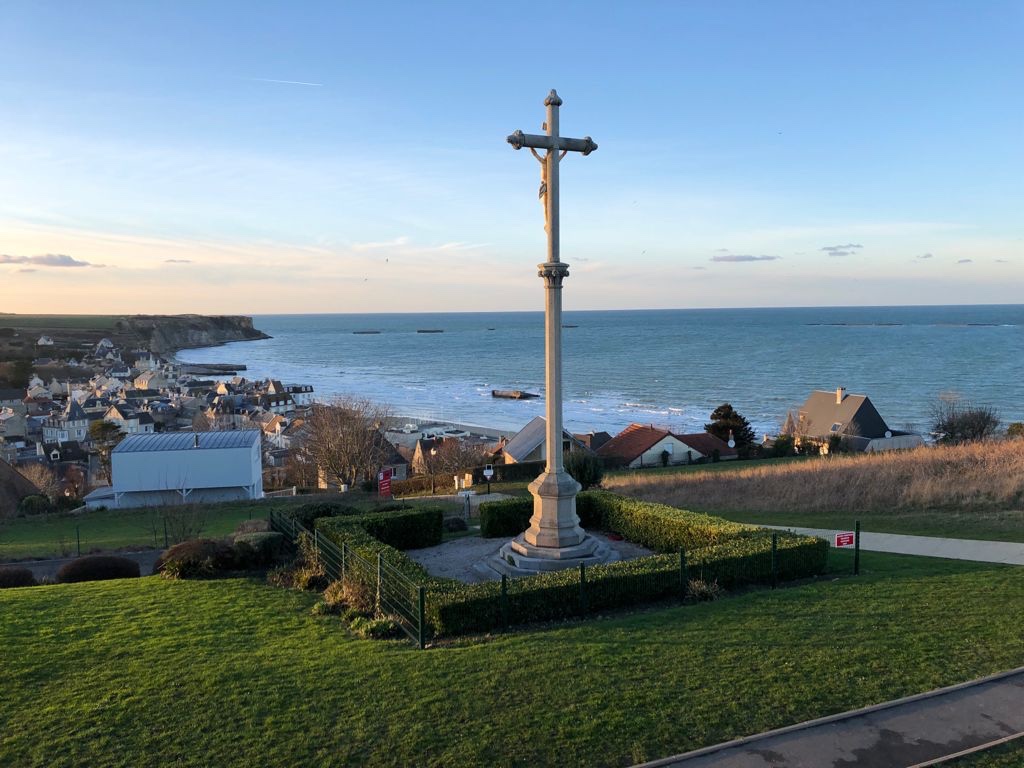
On this anniversary of D-Day, I have become curious about educational materials pertaining to commemorating the Canadian contribution at Juno Beach on June 6th, 1944.

I also think that the fact of having roadtripped throughout Normandy to visit these sites in 2018 contributes to my inclination to pay attention to these anniversaries personally.

The Juno Beach Centre provides various resources to educators to assist in teaching new generations about the Second World War and the cost it took to defeat the evil of Nazism.

I am not sure whether these are the kinds of lesson plans actually being used in schools, but here are a couple of the activities that I consider to be interesting and worthwhile exercises.

Example #1:

Continue reading