Kitchen Talks: Death & Dying

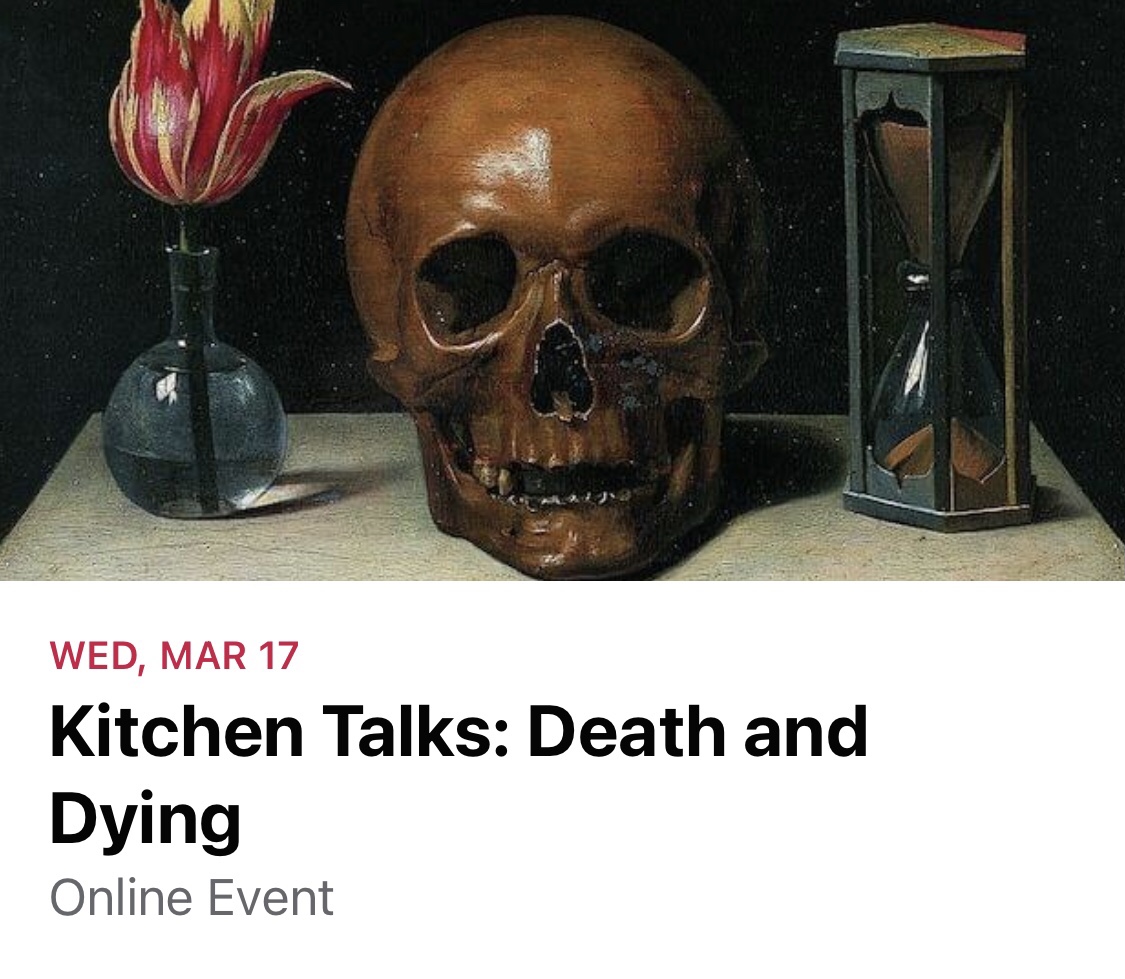
This evening, a friend of mine named Josh Nadeau hosted a “Kitchen Talks” event on death and dying and so, naturally, I had to attend.

Josh describes the broader initiative as follows:

Kitchen Talks is a series of events where people from different walks of life gather to discuss controversial topics. It was dreamed up in Saint Petersburg, Russia, where ‘kitchen talk’ refers to the conversations that, back in the Soviet Union, were too contentious to be had outside the home.

A generation ago, the kitchen was a safe space to discuss history, politics, sex, religion and everything else under the sun. We hope that our own “kitchen” provides an opportunity, and a safe space, to engage with the people and the ideas we don’t always encounter in our everyday lives. We strive not only to speak, but to facilitate an encounter that respects the fact that we all have different life experiences and come at important questions from different angles.

Our meetings involve introductions, discussions, large-group exercises, small group work, anonymous activities and more. We encourage all participants to join the conversation, but understand if some decide to listen more than to share. Our facilitators come with a prepared set of discussion questions and exercises, but often adjust their plans depending on the group and what participants are interested in discussing that day.

I was struck by Josh’s ability to offer compelling prompts to the diverse participants he convened. Everyone certainly diverged in terms of viewpoints, however it was a group that self-selected on the basis of having a willingness to listen respectfully to others and to affirm what Rabbi Jonathan Sacks called “the dignity of difference.”

Continue reading
Chasing Memories

This evening a friend of mine shared with me about how she had led what she described as “a pretty death-free life” until the death of her grandmother.

Since my friend was a already adult when her grandmother passed away, this experience led her to make a few observations.

First, she noted that this grandmother, who had been a quiet, trusted presence in the family until the end of her life, was somewhat taken for granted by the other family members who presumed that this matriarch would somehow always be there.

Then, when she passed away, my friend said, “She became her whole life. Suddenly, everyone was pulling out family photos and trying to piece together the narrative of her early life. She became 5-year-old her, and 20-year-old her, and wedding day her, etc. seemingly all at once.”

The other realization my friend had was about all of the things that she didn’t know about her grandmother; her grandmother’s death became a reckoning for what my friend had and hadn’t taken the time to learn about her.

After losing a loved one, many people wish that they had taken the time to interview the person, to ask certain probing questions that never seemed urgent before, and to really capture a person’s story in their own words.

Accordingly, think of those you love the most and set out to encounter them in their depth and to record this encounter through writing, audio, or video. In the future, you may be very grateful for having done so, but the activity will also present the occasion for an encounter of depth during the relationship while you are both alive.

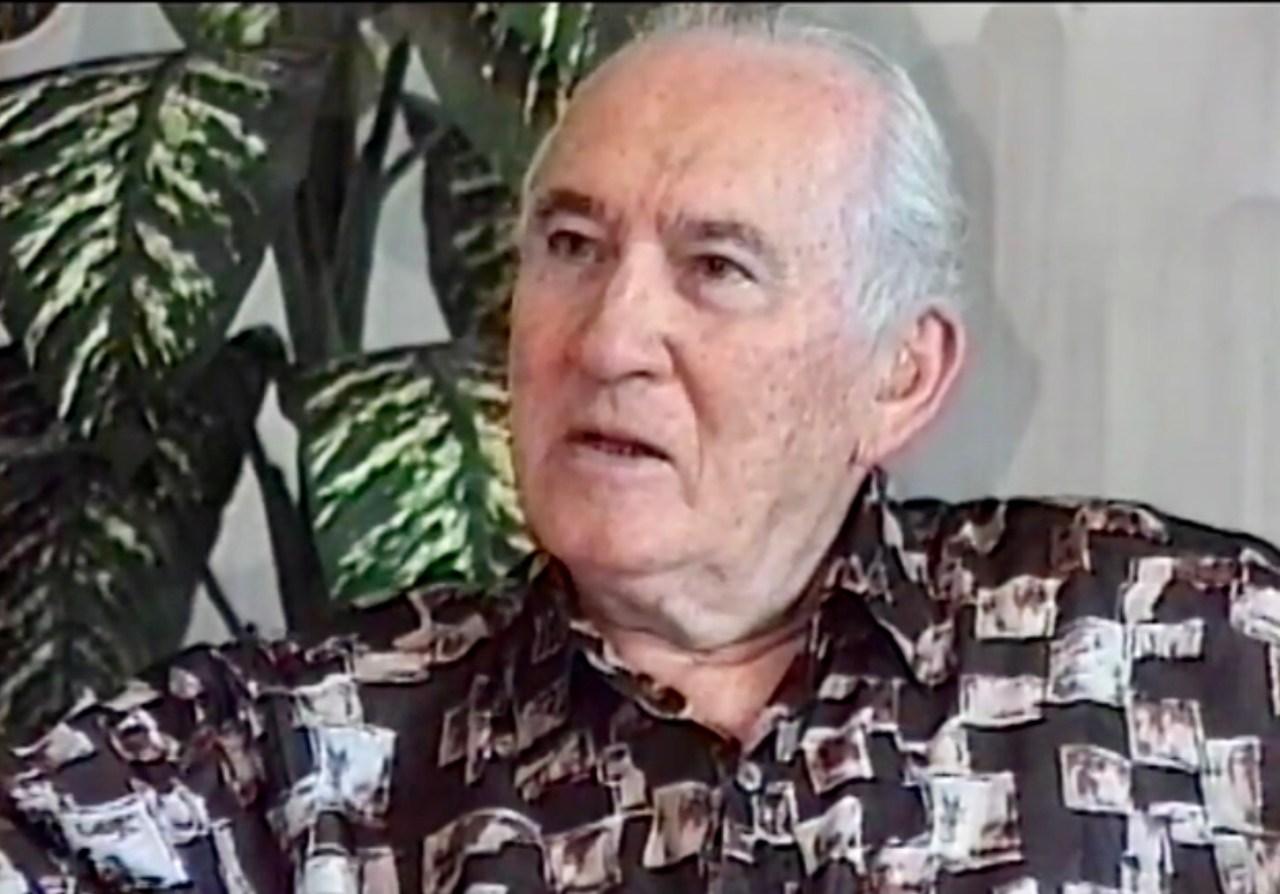
Photo: Screenshot from an hourlong video interview of my Zaida telling the story of how he came to Canada from Poland in 1937.

“We Gradually Deserve Those Who Demand to Be Helped”

There is a little book by Antoine De Saint-Exupéry called Letter to a Hostage. In the first part, the author paints a scene of emigrants aboard a ship. Even without more context than this, this passage is remarkable:

How to construct a new self. How to remake the heavy skein of memories? That phantom ship was crowded, like Limbo, with souls unborn. The only ones who showed any semblance of reality, so much so that one would have wanted to touch them, were those who, belonging to the ship and ennobled by real duties, carried the trays, polished the brass and shoes and, slightly scornful, served the dead. That slight disregard of the staff towards the emigrants was not due to their poverty. They were not lacking in money, but destiny. They were not attached to any home, to any friend, to any responsibility. They played a part, but it was no longer true. No one wanted them, no one would call on them. What a thrill it is to receive a telegram in the middle of the night, summoning you to the station: “Hurry, I need you!” We soon discover friends to help us. We gradually deserve those who demand to be helped. Of course no one hated my ghosts, no one envied them, no one bothered them. But no one loved them with the only love that is worthwhile. I thought: as soon as they arrive they will be taken into welcome cocktail parties, consolation suppers. But who will ever knock at their doors, begging to be let in. “Open, it’s me!” A child must be fed for a long time before he can demand. A friend must be cultivated for a long time before he claims his due friendship. It is necessary to spend fortunes for generations on repairing an old ruined castle before one learns to love it.

Such realities are best explained through stories and scenes and anecdotes; they are not abstract principles, though they are tinged with the mystery and depth that prevents them from being grasped, especially all at once.

Indeed there are many emigrants passing through life like souls unborn without ties and without purpose. And among the dead of expressive individualists, what could possibly be the meaning of: “We gradually deserve those who demand to be helped”?

Yet, as usual, the clarity comes in the juxtaposition between the cocktail party versus the “Hurry, I need you!”

The human person, every human person, is ennobled by real duties and real attachments. The love that is worthwhile is not “Can I get a photo with you?” or “Here’s my card.” The love that is worthwhile is the demand of someone in need who says and who means, to someone in particular, “It’s me. I need you!”

The Opposite of Autonomy

This morning, a topic of Sunday brunch conversation concerned determining the opposite of such words as “autonomy” and “abandonment.” My friend and I wanted equally precise and forceful words that denote the antidotes to these terms without these being too vague or all-encompassing.

In considering this, I came upon not a word, but a paragraph that I do consider to quite aptly describe the opposite of autonomy. And since it took an entire piece for Marina Keegan to beautifully explore “the opposite of loneliness“, we can certainly afford to take a look at this paragraph from Paul Quenon’s book, In Praise of the Useless Life: A Monk’s Memoir.

This is a book I read a few years ago that I find myself recommending to more and more friends often these days.

It is in the epilogue, where the author is describing what he has found monastery life to be, that I consider somewhat of an exposition of the opposite of autonomy:

Continue reading

Matters of Consequence

This evening, over a dinner reunion with a dear friend of mine, she confided to me that she did not consider herself to have been up to anything interesting lately.

As soon as I heard this, I objected because my friend most certainly has been up to a very many interesting things, and it is only a matter of clarifying what “interesting” truly means.

If you have ever had the delight of reading – or, even better, having read aloud to you – Antoine de Saint-Exupéry The Little Prince, you will remember the Little Prince’s reproach of the those grown ups who are ever concerned with matters of consequence:

Continue reading

How To Become Something

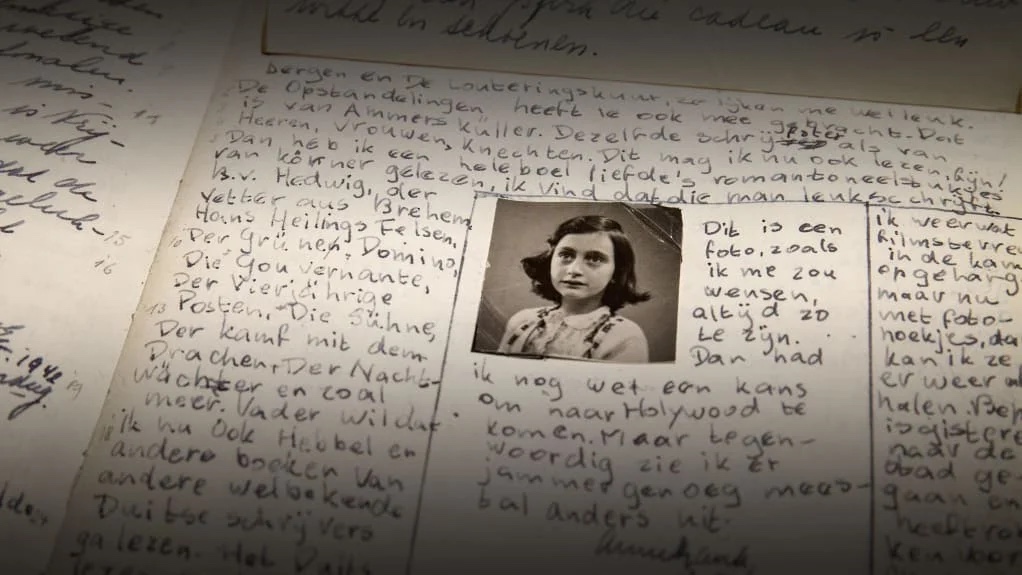
I was struck today by something I read on the Anne Frank House website:

On this Q&A-style page, there is question: “What does writing mean to Anne?”

The answer that follows is this:

Writing meant a great deal to Anne. It was her way to vent.

The nicest part is being able to write down all my thoughts and feelings; otherwise, I’d absolutely suffocate. – Anne Frank, 16 March 1944

She hoped one day to become a famous writer or journalist. Although she doubted from time to time whether she was talented enough, Anne wanted to write anyway.

That last sentence is so key! She hoped to become a famous writer and, in fact, she did but not in a way she could have ever expected. Anne Frank perished in the Holocaust at age 15, and her diary went on to be published after her death. Since then, more than 30 million copies of the diary have sold in more than 70 languages.

Continue reading

This is What I Like Best

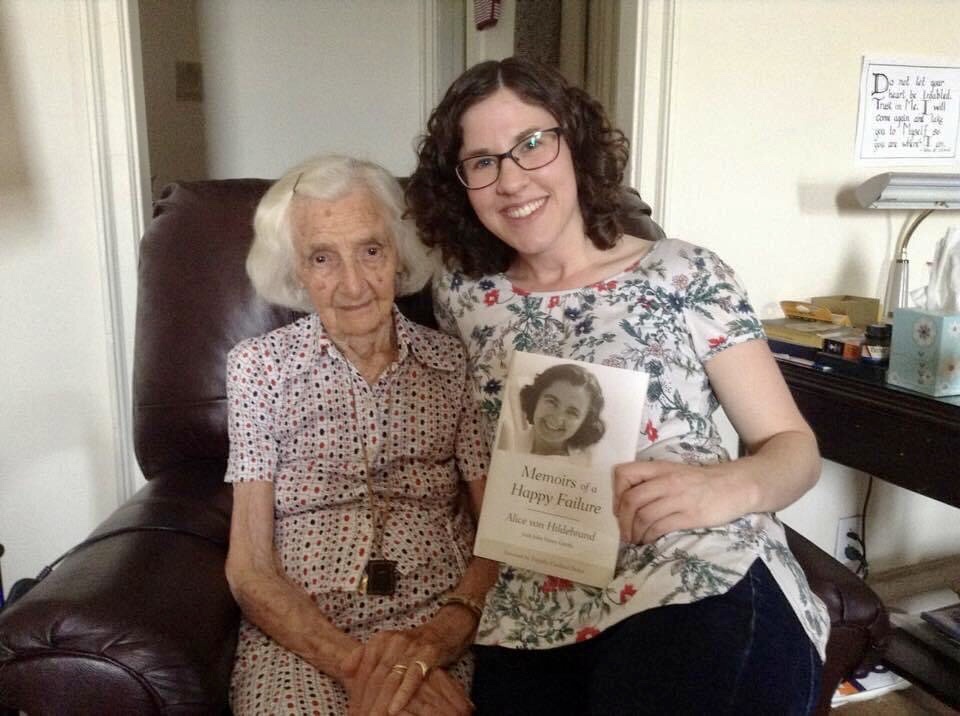
Today is Alice von Hildebrand’s 98th birthday. I was delighted to meet this wonderful philosopher, teacher, and author when I set out to visit her at her home in New Rochelle a couple years ago. The widow of eminent philosopher Dietrich von Hildebrand, Alice exudes a profound joy – that is, a joy that is rooted in her deep existential gratitude through which she has grown to love the reality of her present circumstances, no matter what they may be.

In honour of her birthday, I read this piece of hers titled, “Made for Joy“, in which she writes:

Continue reading

Do you have something you need to do?

This evening I heard a physician, who is also a Roman Catholic deacon, share a story about a dying woman to whom he would bring Communion.

The 50-year-old woman had uterine cancer that had metastasized into her spine and, understanding the gravity of her condition, he found himself surprised that she was still alive each time he went to visit her.

Eventually, he decided to ask her, “Do you have something you need to do?”

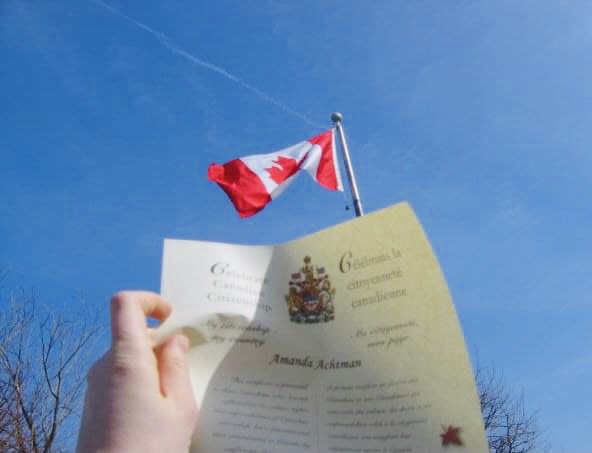
This question invited an response and she answered, “Yes, I do. I need to become a Canadian citizen.”

It turns out that this woman was very close to finalizing her citizenship and needed to do so in order for her children to receive their citizenship and avoid deportation back to Hong Kong.

On hearing this, the physician-deacon phoned a citizenship judge friend of his and explained the situation. When the citizenship judge heard the request, he agreed to meet the woman the next day so that she could swear the oath.

Continue reading

If You Can Tell A Story

Is it really possible to blog about death in a way that is consistently uplifting and enlivening every single day of the year?

It’s certainly a challenge.

And is it possible to tell edifying stories about the difficult, messy, and painful realities of life with grit and sincerity?

Not only is it possible. It’s vitally necessary.

Continue reading

An Endearing Place to Suffer

Life is sure to involve some degree of hardship, inconvenience, and suffering. Have you thought about where you might most like to endure it?

Amos Oz ends his little gem of a book Dear Zealots: Letters from a Divided Land with this:

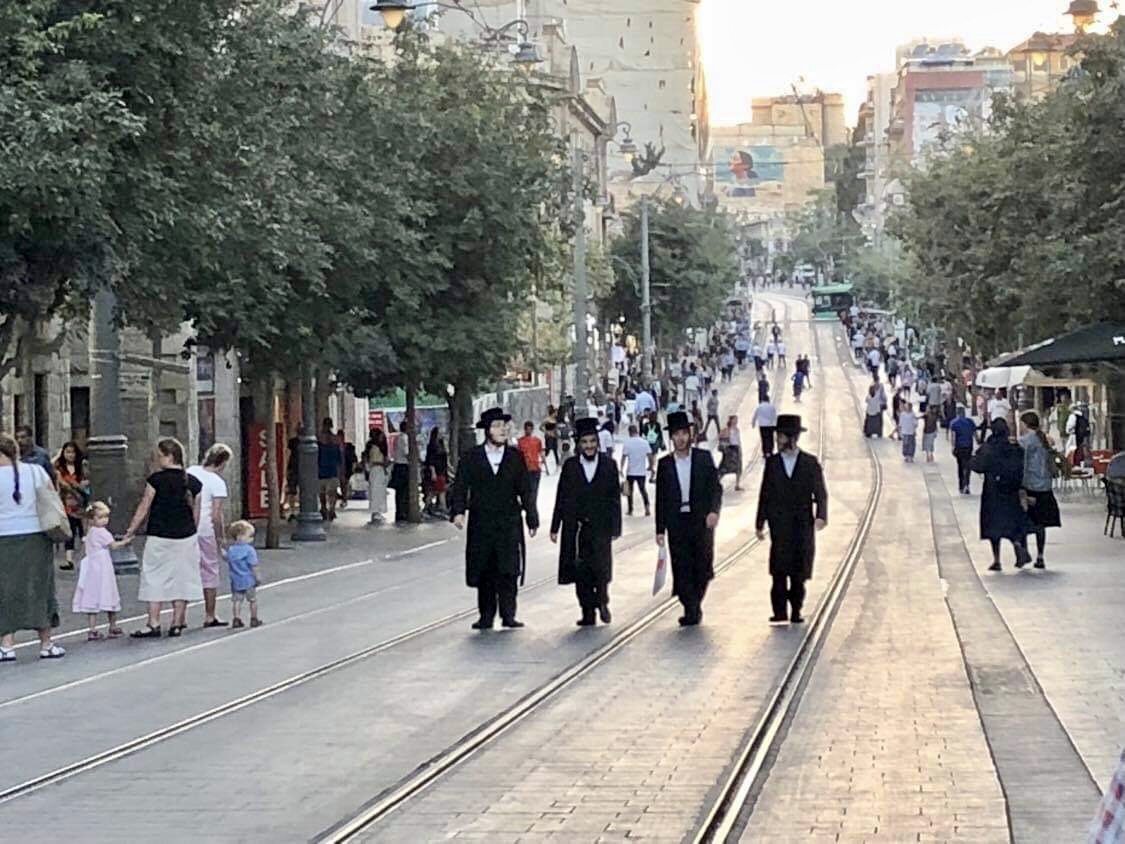
Now comes a little confession: I love Israel even when I cannot stand it. If I have to fall over in the street one day, I would like it to happen on a street in Israel. Not in London, not in Paris, not in Berlin or New York. Here people will come over immediately and pick me up. (Granted, once I’m back on my feet, there will probably be quite a few who will be happy to see me fall down again.) […] I like being a citizen of a country where there are eight and a half million prime ministers, eight and a half million prophets, eight and a half million messiahs. Each of us has our own personal formula for redemption, or at least for a solution. Everyone shouts and few listen. It’s never boring here. It is vexing, galling, disappointing, sometimes frustrating and infuriating, but almost always fascinating and exciting. What I have seen here in my lifetime is far less, yet also far more, than what my parents and their parents ever dreamed of.

Now consider extending the hypothetical from “If I have to fall over in the street one day, …” to any number of hypotheticals.

We often think about where we would most like to vacation, relax, and explore, but we seldom think about where we would most like to suffer adversity, experience hardship, or conquer our circumstances.

By thinking about what might constitute an endearing place to suffer, we’ll be sure to have our own little confessions about what and who we’ve discovered that makes our life always fascinating and exciting.