Today is both International Holocaust Remembrance Day and the Jewish holiday of Tu Bishvat. The coinciding of a solemn commemoration with a celebration of the trees and fruits of Israel makes me reflect on all the tenacious ways that new life is sometimes brought forth from barren situations.
Continue readingJewish

Suffering happens for us, not to us
Today an article appeared in my newsfeed titled, “Rabbi Yehuda Dukes, 39, Inspired Thousands in Health and in Sickness.” In it, I learned that Rabbi Dukes, much-loved around the world and most especially by his wife and their six children, passed away from Covid.
What I found most striking was this interview the rabbi gave in August. Upon recovering from months in a coma, Rabbi Dukes spoke over a video call about his experiences and was honest about the excruciating physical pain he faced in addition to the anguish of being separated from his family.
Continue readingA Child’s Right to Die
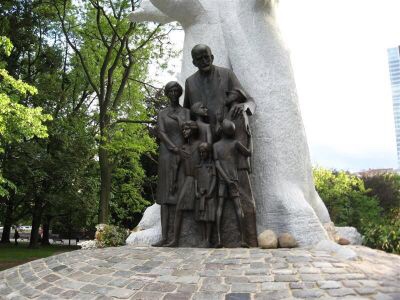
Janusz Korczak is a name I wish everyone could know. A Polish Jewish author, pedagogue, and orphanage director, he refused offers for his own safety during the Second World War and was deported, along with all of the children of the orphanage, to the Nazi death camp Treblinka where he and they were killed in 1942.
Over the years, I have come upon monuments commemorating Korczak and the children at Treblinka, in Warsaw, and at Yad Vashem in Israel.
Continue readingRabbi Bulka is a Role Model in How to Suffer
It would be understandable if, upon receiving a cancer diagnosis, a person were to retreat, to withdraw.
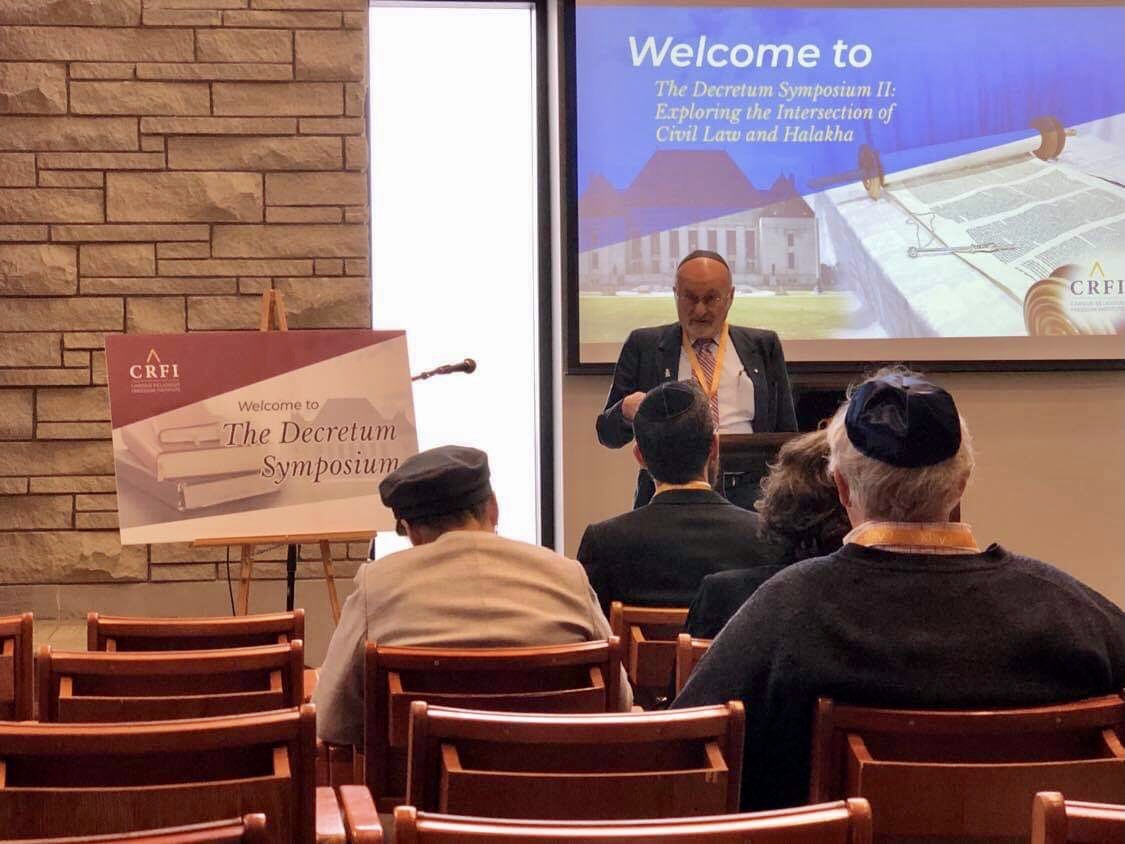
But that’s not Rabbi Dr. Reuven Bulka’s way. Instead, as ever, he continues to show leadership, to give example, and, above all, to generously go outside of himself for the good of others.
It seems that every time there is a tragedy or crisis, particularly in which his community or he himself is implicated, Rabbi Bulka has something to say with humility, sincerity, and gratitude.
Continue readingBefore Praying, Man Should Prepare to Die
Lately I have been reading Martin Buber’s Tales of the Hasidim. In his Introduction, Buber discusses how “the core of hasidic teachings is the concept of a life of fervour, of exalted joy” and that “The world in which you live, just as it is and not otherwise affords you that association with God, which will redeem you and whatever divine aspect of the world you have been entrusted with.”
Continue reading