A Final Birthday Card

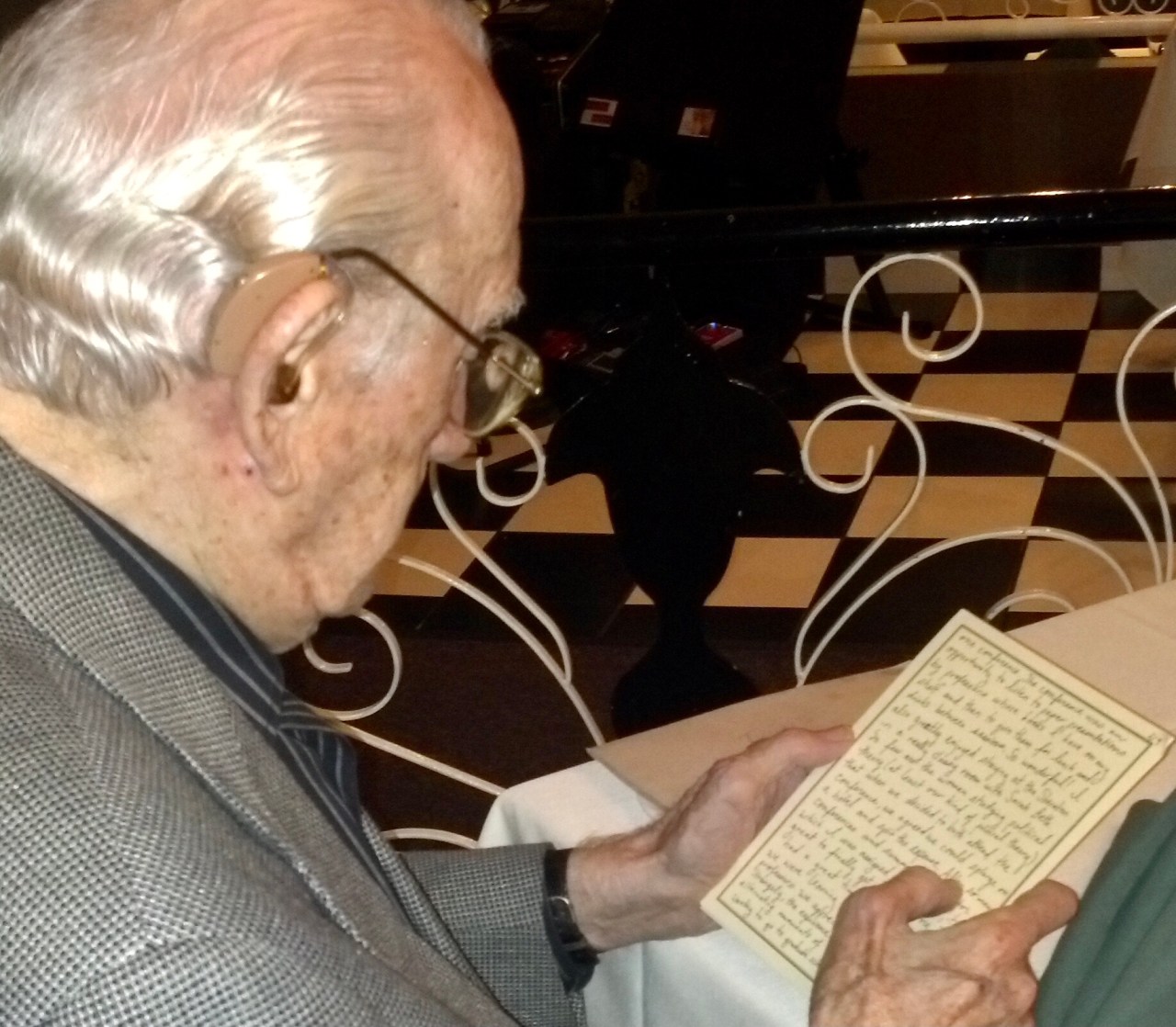
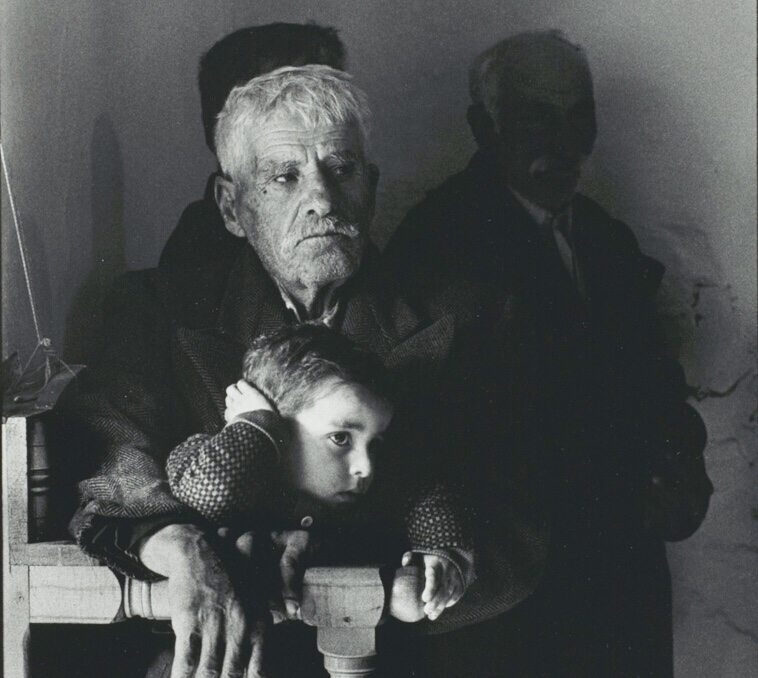
Around New Year’s 2015, my grandfather had been hospitalized and was in quite severe pain. I visited him in the hospital during the holidays but had left the city by the time his birthday came around a couple weeks later on January 17th. I just came across the following letter that I wrote to him, which ended up being my last birthday card to him. When I had visited him at the beginning of the month, he told me that the pain was so bad that he wished he could die. This was obviously difficult to hear and so, in writing to him, I felt greatly responsible to give him some encouragement.

Here is what I wrote:

Continue reading

Networking in a cemetery

Almost everyone has been to cocktail receptions and networking events.

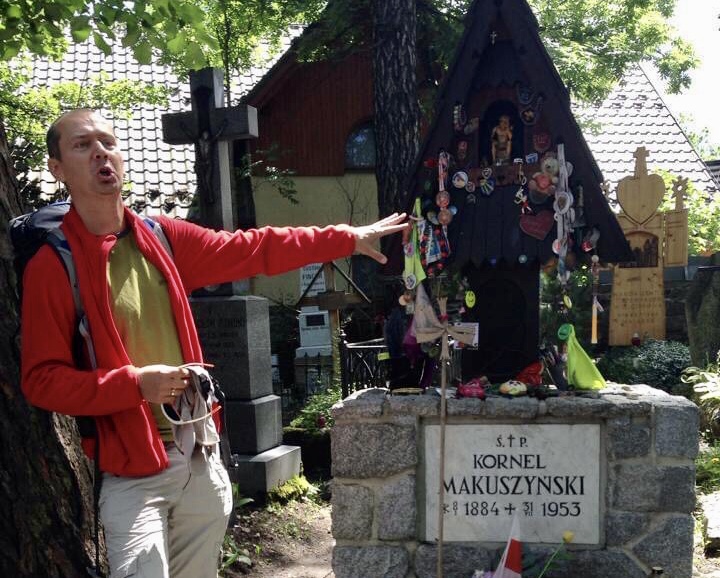
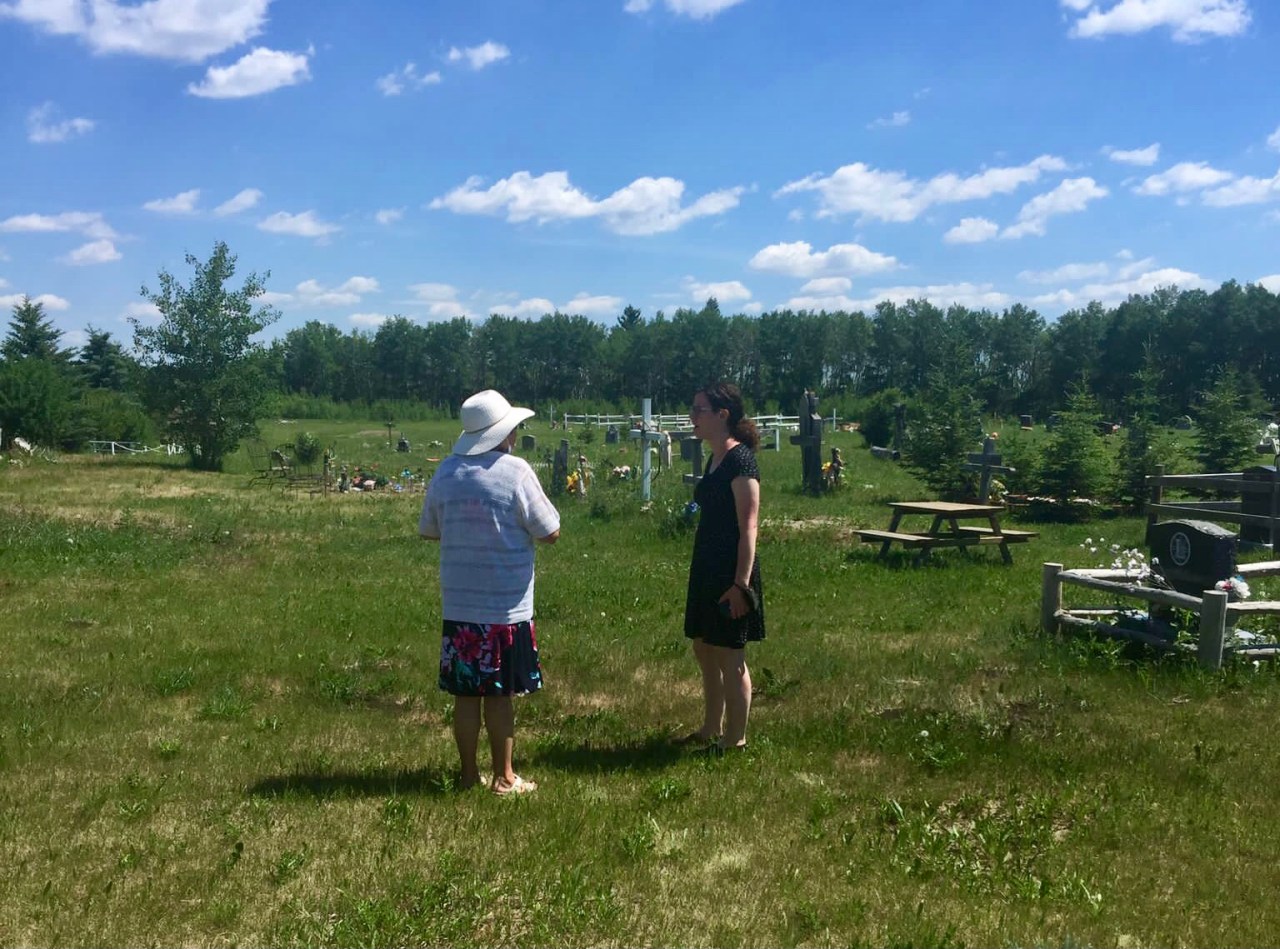
Given my interest in visiting cemeteries, it just occurred to me to contemplate networking with the dead. There is no exchange of business cards, but there can be an exchange nonetheless. A thoughtful walk through a cemetery has sometimes been as helpful as any career advice.

Networking with the dead, it would seem, demands getting out of your comfort zone, going over to the tombs with the most personality, but also seeking out the ones that are neglected or discreet. It involves being curious and interested. It involves not being intimidated to talk to people who are older than you, wiser than you.

Sometimes, on special occasions, I have visited cemeteries on guided tours which means that I have had someone else making introductions for me to the dead.

This has been most helpful for breaking the ice, especially when I do not know whether or not we have very much in common.

Continue reading

Start wondering now

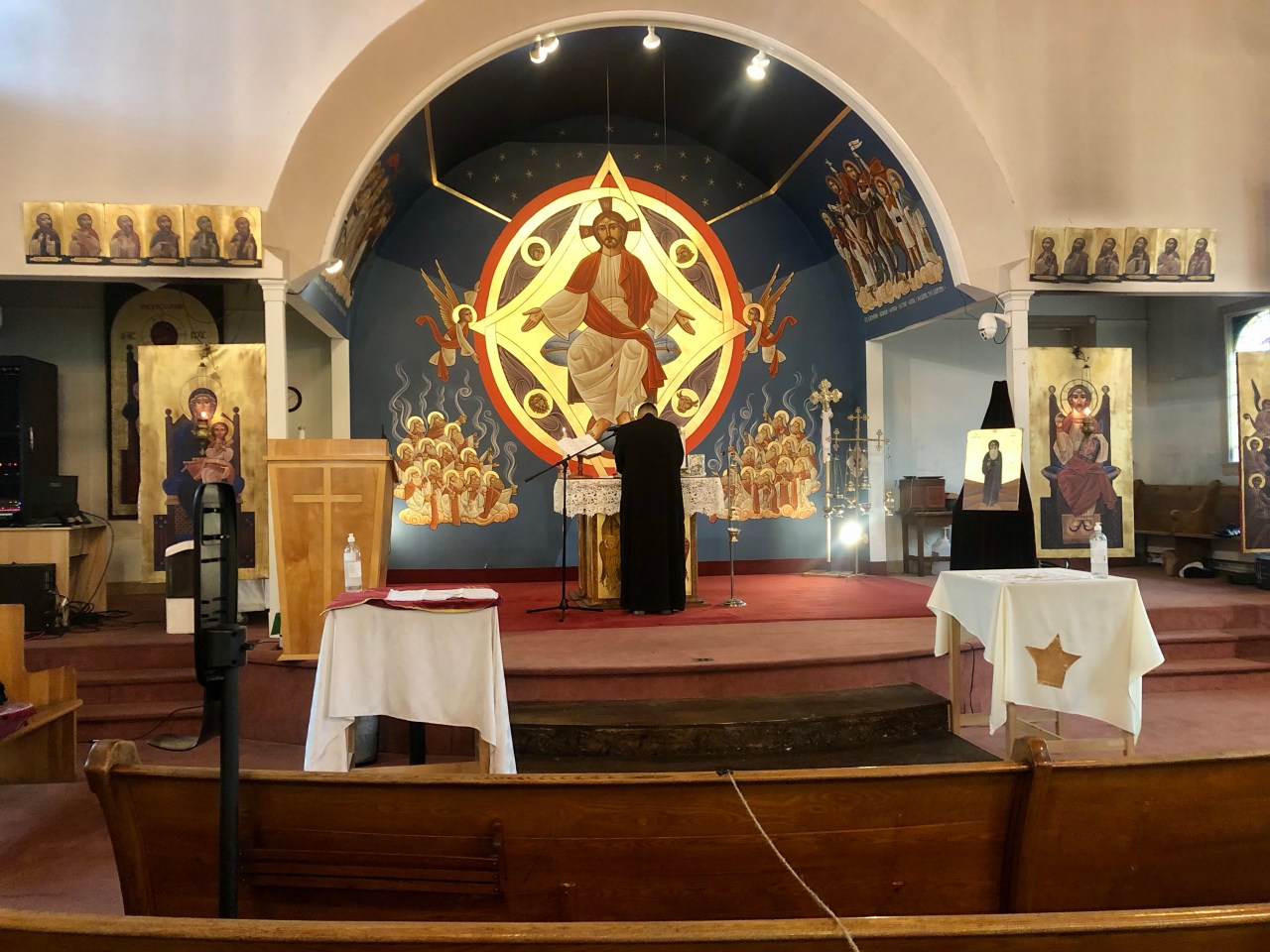
This evening a dear friend and I reunited in Toronto and spontaneously decided to attend Vespers at St. Moses & St. Katherine Coptic Orthodox Church.

The evening prayer and raising of incense was set to begin at 7:00 p.m.

Aside from the priest, two young men chanting liturgical responses, and one woman from the community, my friend and I were the only ones there.

Before beginning vespers, Fr. John Boutros came over to give us a brief explanation of the prayer.

“The purpose of vespers is start wondering now: where has my life gone? It’s a journey toward reconciliation in preparation for the liturgy the following day. Accordingly, people will usually go to confession after Vespers and during the Midnight Praises on the vigil of the Divine Liturgy. As the sun sets, you are invited to ponder: What am I doing? Where did the light go? Where did my life go?”

Fr. John also gave the analogy of working on a paper or a project into the late hours of the night saying, “When you’re working late at night, you can lose sense of the time. The purpose of these evening liturgies is partly to enter into the timelessness of eternity.”

This is the structure of Vespers in the Coptic Orthodox Church:

Continue reading

“Our lives no longer belong to us alone.”

It was on this date five years ago that Elie Wiesel died.

The Holocaust survivor and Nobel laureate felt a tremendous responsibility to bear witness to all that he and others suffered.

“If I survived, it must be for some reason: I must do something with my life. It is too serious to play games with anymore because in my place someone else could have been saved. And so I speak for that person. On the other hand, I know I cannot,” he told a New York Times interviewer in 1981.

This evening I re-read Wiesel’s brief Nobel Peace Prize acceptance speech from a few years later in 1986.

Continue reading

Things worse than death

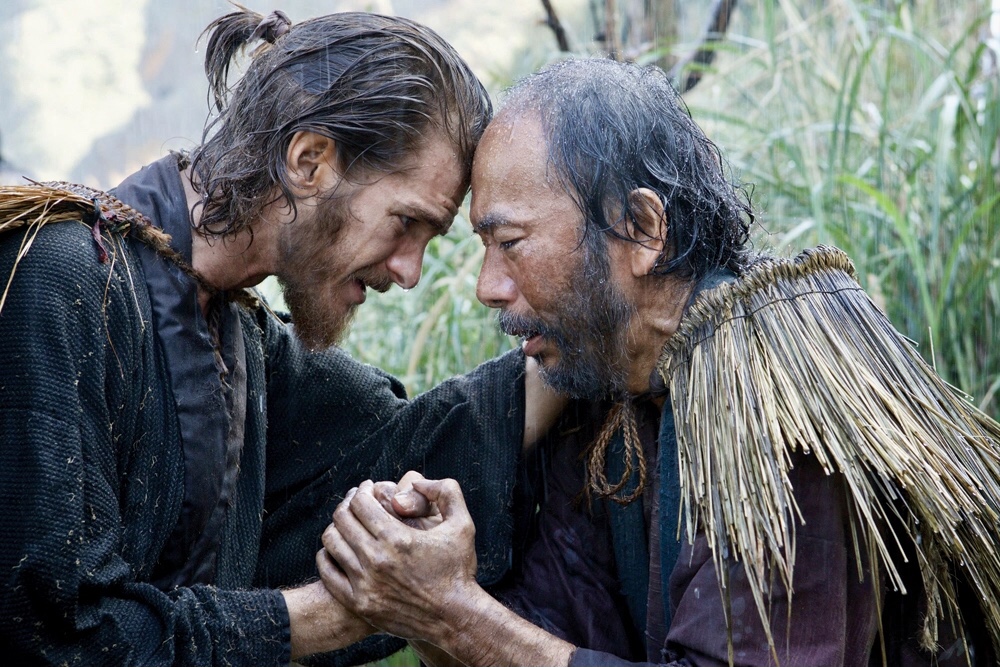
Last night I finally had the opportunity to watch Martin Scorsese’s 2016 film Silence about Jesuit missionaries to Japan during the intense persecution of Christians in the 17th century.

Here’s the trailer for it:

Continue reading

A Pilgrimage to the Martyrs’ Shrine

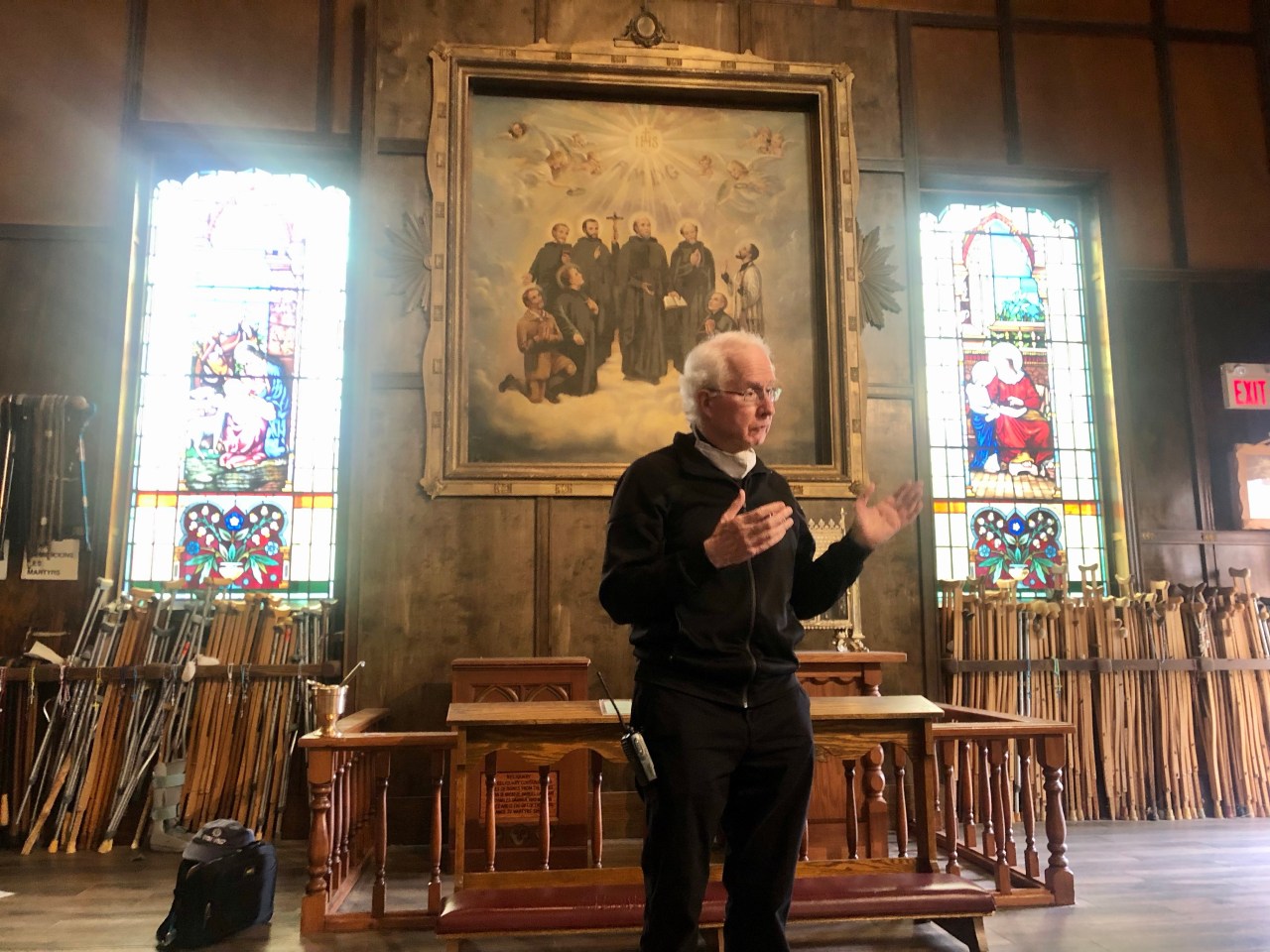
It was several years ago when I first read Fr. Myles Gaffney’s book Witness to Faith: An Introduction to the Life of Joseph Chiwatenhwa. This book tells the story of an Indigenous Catholic convert who was considered by the Jesuit missionaries to be “the Christian par excellence” and “the pearl of our Christians.” About Joseph, the Jesuits said, “It was in this Christian that we had our hope after God.”

More recently, I took another look at this book about this Huron saint and found this photo accompanied by my prayerful marginalia about hoping to visit the Martyrs’ Shrine in Midland, Ontario one day.

Continue reading

Why keep suffering?

The other day I asked a wise older mentor of mine how he might express why suffering is worthwhile to someone who does not consider there to be anything redemptive about it.

This mentor then discussed how, apart from the perspectives of any religious tradition, it is possible to see the example that those who suffer give to the young, the healthy, the strong.

How does the sufferer respond to his suffering? By whom is he accompanied? What message does he, by how he suffers, send about how to handle the disappointments and drama of life?

Continue reading

The Legacy of Terry Fox

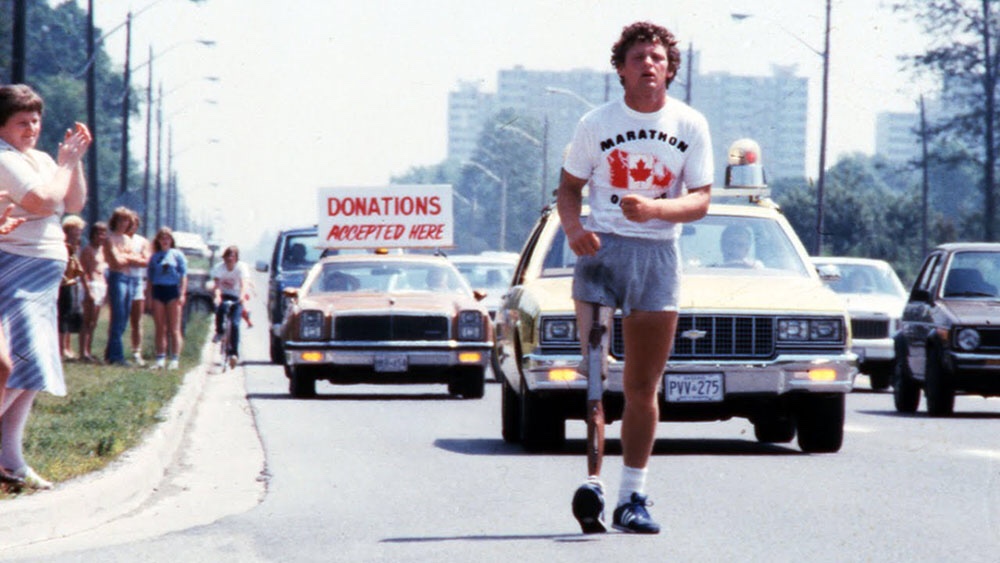
Today is the anniversary of the death of Terry Fox on June 28th, 1981.

One of the most memorable aspects of my early education was learning the story of Terry Fox and participating in the Annual Terry Fox Run in order to raise money and awareness for cancer research.

We would sit on the gym floor in an elementary school-wide assembly and watch either a short film or a longer documentary about the young man who had cancer and attempted to run across Canada from coast to coast on his prosthetic leg.

Continue reading

Priorities versus momentum

When I was a teenager, I remember walking down the street after an event with a provincial politician who had summited Mount Everest.

Getting to speak casually for a few moments, I decided to ask him about what it had been like to reach the summit.

He spoke of the initial thrill but then admitted that it had been terrible to lose this goal in life by having accomplished it. He didn’t really know what to do with himself next.

“So then what did you do?” I asked him.

“I did it again,” he told me prosaically. “I became the first Canadian to double summit Everest.”

My admiration for him was tempered by my sensitivity to this restlessness he expressed, and I never forgot this story.

This evening a friend of mine spoke about how, for many, the pandemic became an opportunity to discern priorities rather than simply living in the momentum. I found this a quite astute way of putting it.

Momentum is concerned with motion and priorities are concerned with what is prior, primary, or fundamental.

Upon reflection, we might ask ourselves: Why is the momentum of my life a priority? Or, in our own particular variation on the theme: why am I trying to double summit Mount Everest, after all?

This matters because when we die, we lose the momentum of our lives but, if we are wise, not the priorities toward which our momentum was driven.