The Past and Present Tense in Vanessa Bryant’s Tributes

Today marks the first anniversary of the death of Kobe and Gianna Bryant.

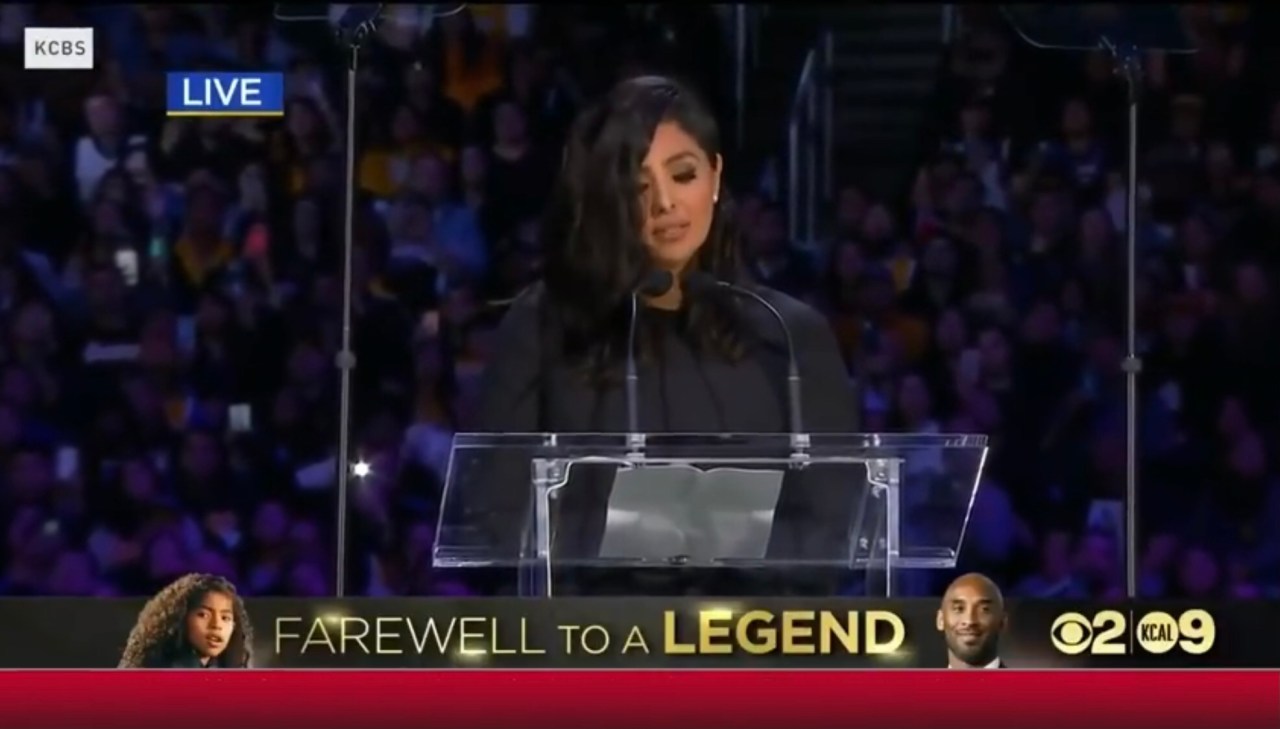
Much has been said and written about the faith of the family, and there is something that I find remarkably demonstrative of that faith in the speech Vanessa Bryant delivered at a memorial.

In her 20-minute speech about her husband and daughter, Vanessa Bryant alternated, in a subtle way that seemed very deliberate, sincere, and full of faith, between speaking in the past and present tense.

Continue reading
Restlessness in Abundance

Already in 1840, Alexis de Tocqueville discovered and diagnosed in Americans the fear of missing out or, as it is now called – FOMO.

In Volume III of Democracy in America, Tocqueville juxtaposes Americans with those in the Old World who “are very ignorant and very wretched; they are not involved in governmental affairs and often governments oppress them. But they usually show a serene face, and they often exhibit a cheerful mood.”

Continue reading

A State Funeral as Civic Education

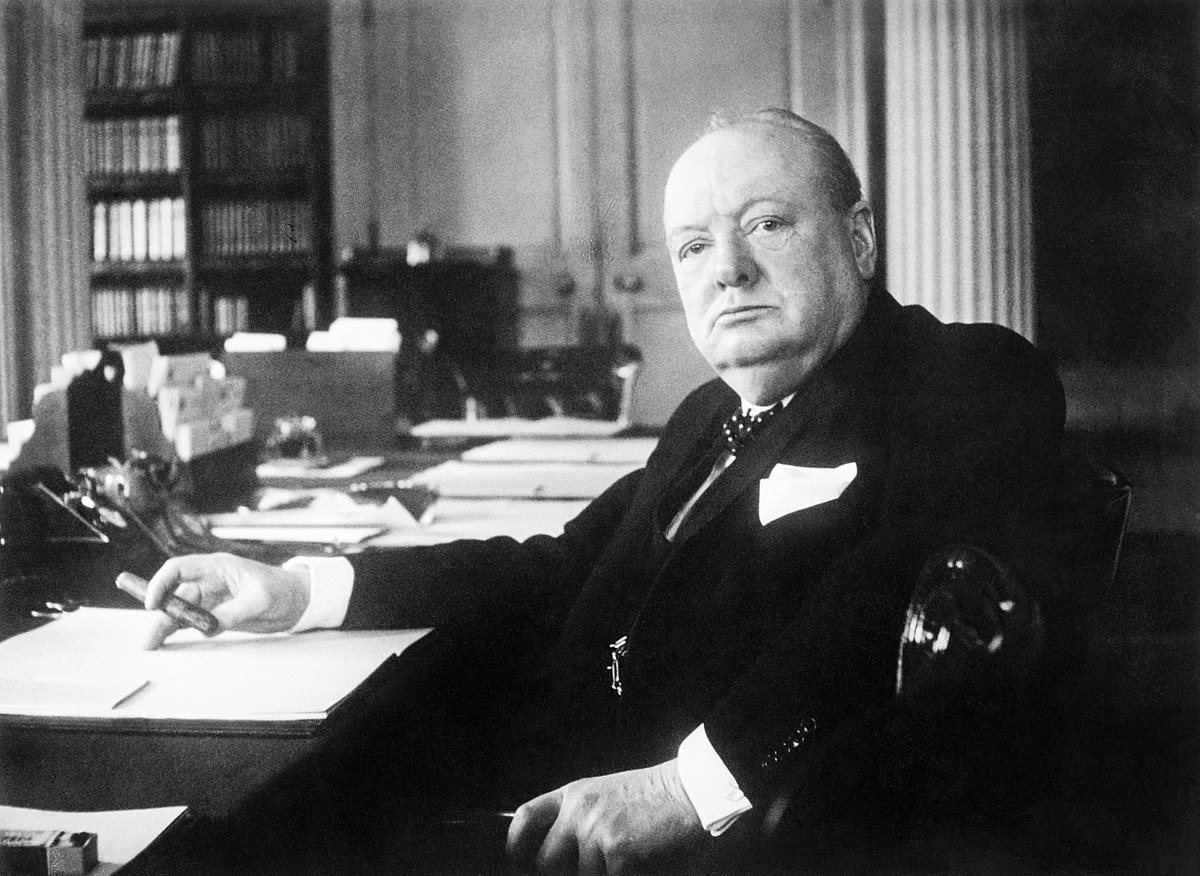
Winston Churchill died on this date in 1965, and for the first time I watched video footage from his funeral.

I was fascinated to learn that preparations for his eventual funeral began 12 years before his death and had a code name. The planning was initiated after Churchill suffered a serious stroke.

Continue reading

Suffering happens for us, not to us

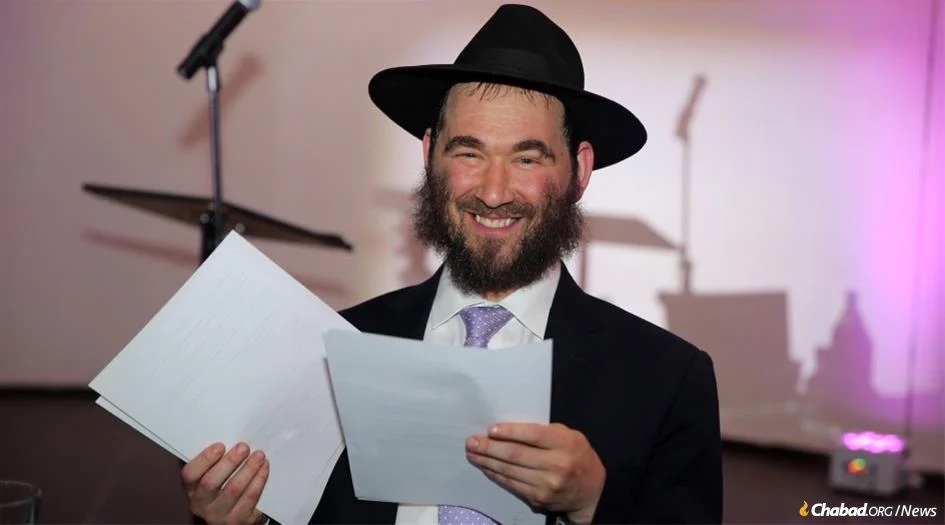
Today an article appeared in my newsfeed titled, “Rabbi Yehuda Dukes, 39, Inspired Thousands in Health and in Sickness.” In it, I learned that Rabbi Dukes, much-loved around the world and most especially by his wife and their six children, passed away from Covid.

What I found most striking was this interview the rabbi gave in August. Upon recovering from months in a coma, Rabbi Dukes spoke over a video call about his experiences and was honest about the excruciating physical pain he faced in addition to the anguish of being separated from his family.

Continue reading

Gifts for the Dying

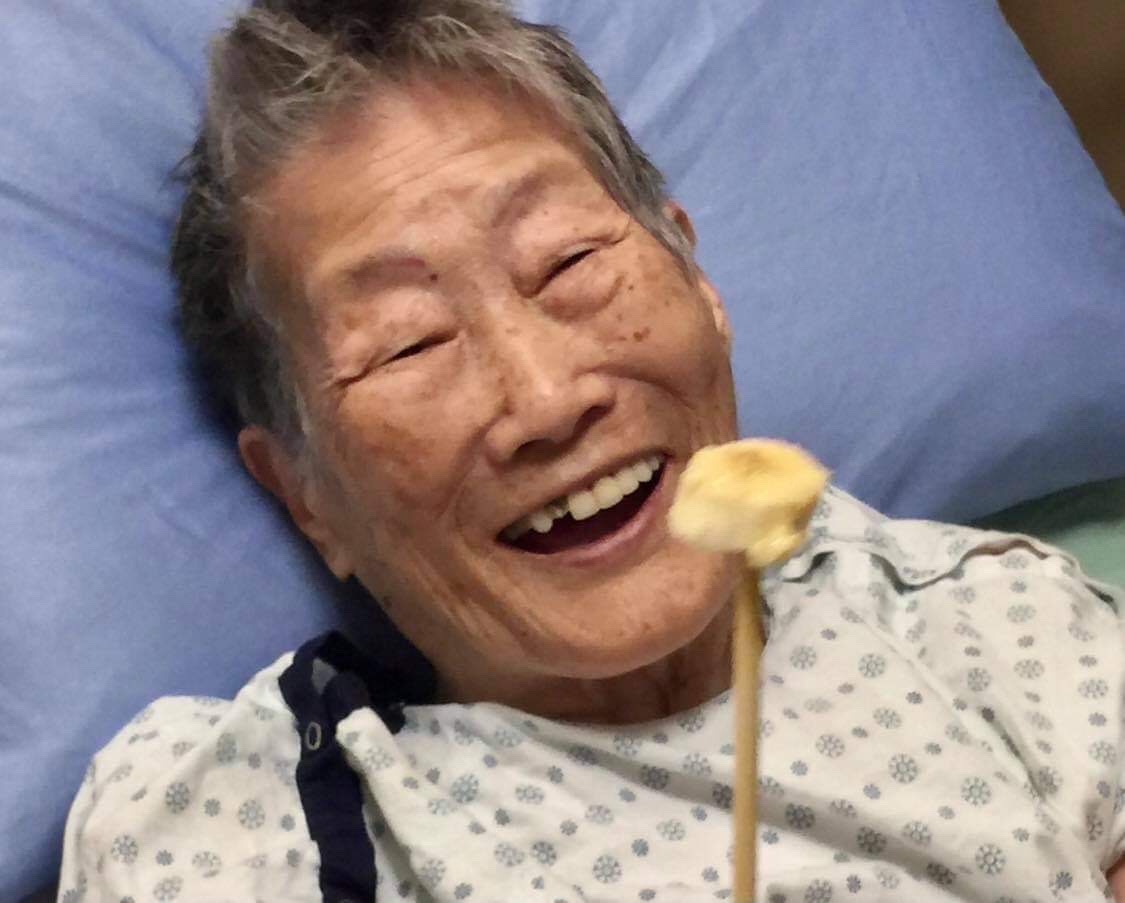
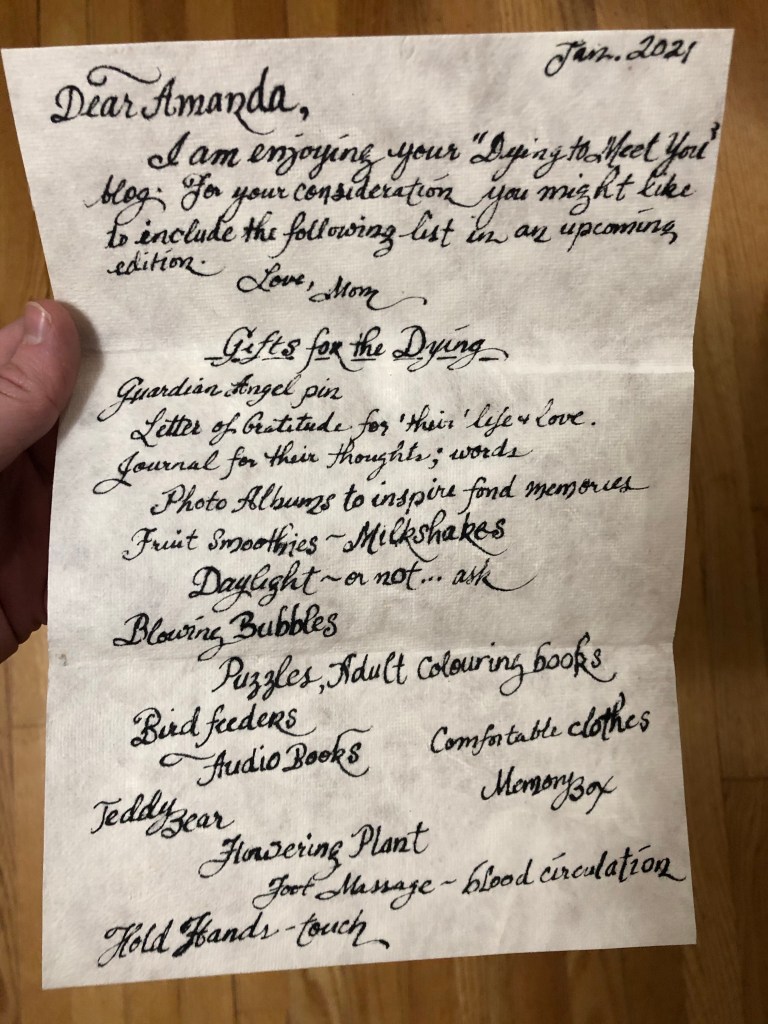
Below is a piece of fan mail for this blog, which came from my mother. Since she has accompanied several persons in beautiful ways before their deaths, she shared with me this list of Gifts for the Dying.

One person for whom my mom cared deeply and to whom she showed great affection was her brother-in-law’s mother, Mrs. Hall.

Continue reading

The Night George Orwell Died 71 Years Ago

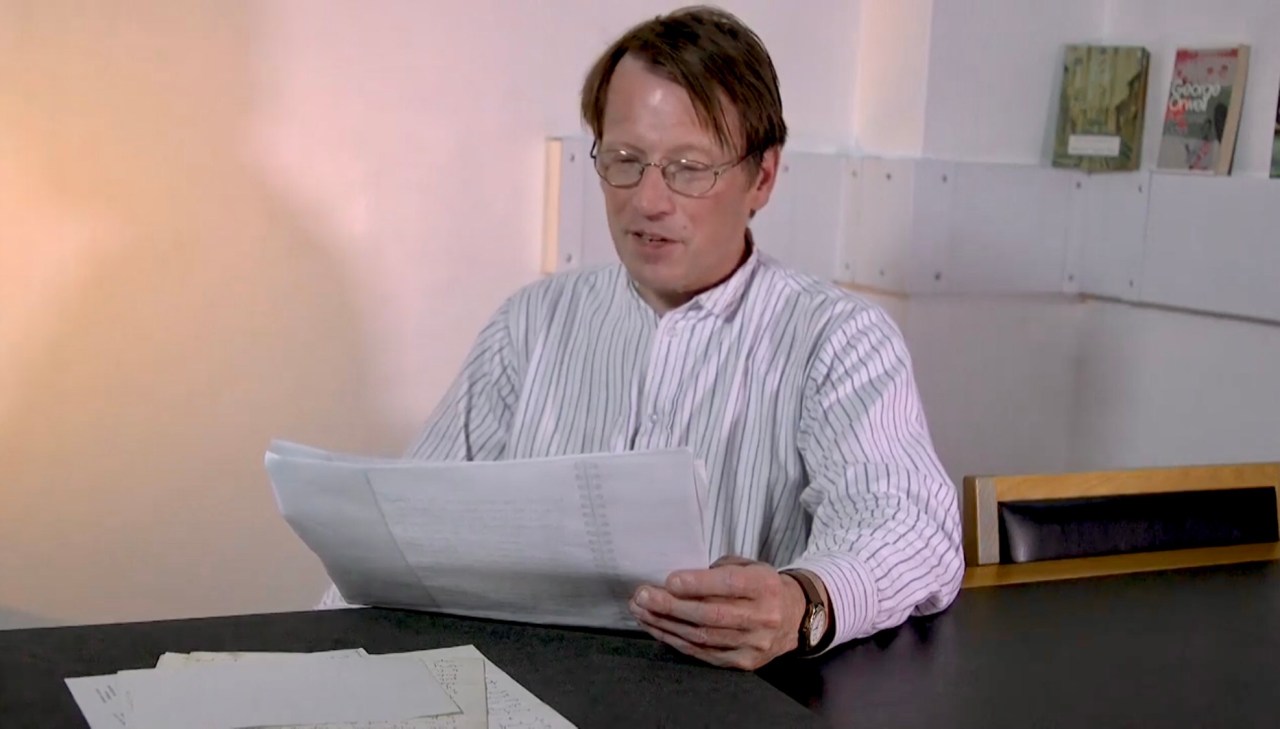
George Orwell died on January 21, 1950. To commemorate the seventieth anniversary, the Orwell Foundation created a 7-minute short film about the people, events, and items surrounding his final months.

Biographer D.J. Taylor says of Orwell’s death that it is “not wholly a tragic story.” Consider the reasons why it is not only “not wholly tragic” but even, quite simply, a story.

Continue reading

The Merit of Hidden Ritual

In the book, Not Cancelled: Canadian Kindness in the Face of COVID-19, there’s a chapter containing a short personal reflection entitled, “Mourning is Not Cancelled.” One of 49 stories of creativity and resilience, this one begins, “Today I attended a funeral. And I was heartbroken I wasn’t there.”

Contributor Catherine Kenwell recounts watching the livestreamed funeral of her best friend’s mother.

Continue reading

Dietrich von Hildebrand on how death summons us to what’s essential

One of my very favourite organizations, the Hildebrand Project, is committed to advancing the legacy of Dietrich von Hildebrand and of the wider personalist tradition.

Most recently, the Hildebrand Project team republished Dietrich von Hildebrand’s existential and theological meditation, Jaws of Death: Gate of Heaven, which the twentieth-century philosopher wrote shortly before his own death.

The book is divided into two sections – the first of which considers the Natural Aspect of Death and the second of which considers Death in the Light of Christian faith.

Continue reading

“Take risks, not care.”

Canon Andrew White, formerly the vicar of St. George’s Church in Baghdad, has a chapter in his memoir titled, “Don’t Take Care; Take Risks.”

I’ll admit that I usually say, “Take care” to someone before hanging up the phone or getting out of an Uber. Nevertheless, the first time I heard the motto, “Don’t Take Care; Take Risks”, it struck me as better and truer.

Continue reading

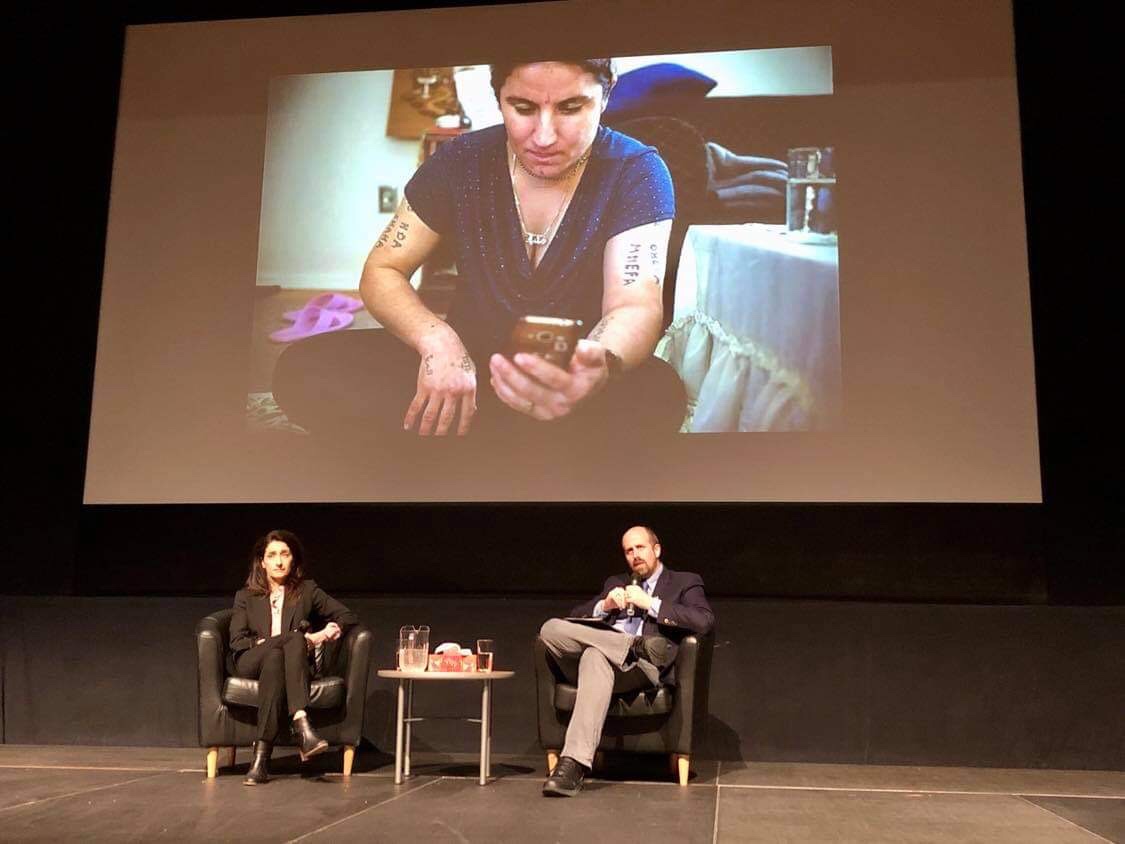
Yazidis in Canada Need a Cemetery

It took far too long in our globalized, hyperconnected, twenty-first century for the world to become alarmed about the genocide committed against Yazidis and other minorities. 

In 2016, the House of Commons unanimously passed a motion recognizing the genocide and pledging to provide asylum to Yazidis. An ancient people indigenous to Upper Mesopotamia compose a fledging new minority here in Canada.

Continue reading