Among my hobbies these days is attending a bioethics book club every two weeks on O. Carter Snead’s new book What It Means to Be Human: The Case for the Body in Public Bioethics. The book is about how the dominant view in our time of persons as expressive individualists contradicts the lived experience of our embodied reality. Snead analyzes why we go astray in our public bioethics when we do not account for the realities of vulnerability and mutual dependence in and throughout our lives.
Most recently the study group finished reading the chapter on Death and Dying. In it, Snead notes: “By far the most common rationales cited for seeking assisted suicide were concerns about ‘losing autonomy’ (92 percent) and being ‘less able to engage in activities making life enjoyable’ (91 percent).”
Since there are many reasons why we can lose autonomy and the ability to engage in activities that make life enjoyable, it is worth scrutinizing these ideas of “freedom” – the loss of which risks rendering life seemingly not worth living.
I am reminded of Russian filmmaker Andrey Tarkovsky’s reflections. In Sculpting in Time, he says: “And the longer I lived in the West the more curious and equivocal freedom seems to me. Freedom to take drugs? To kill? To commit suicide?”
He goes on:

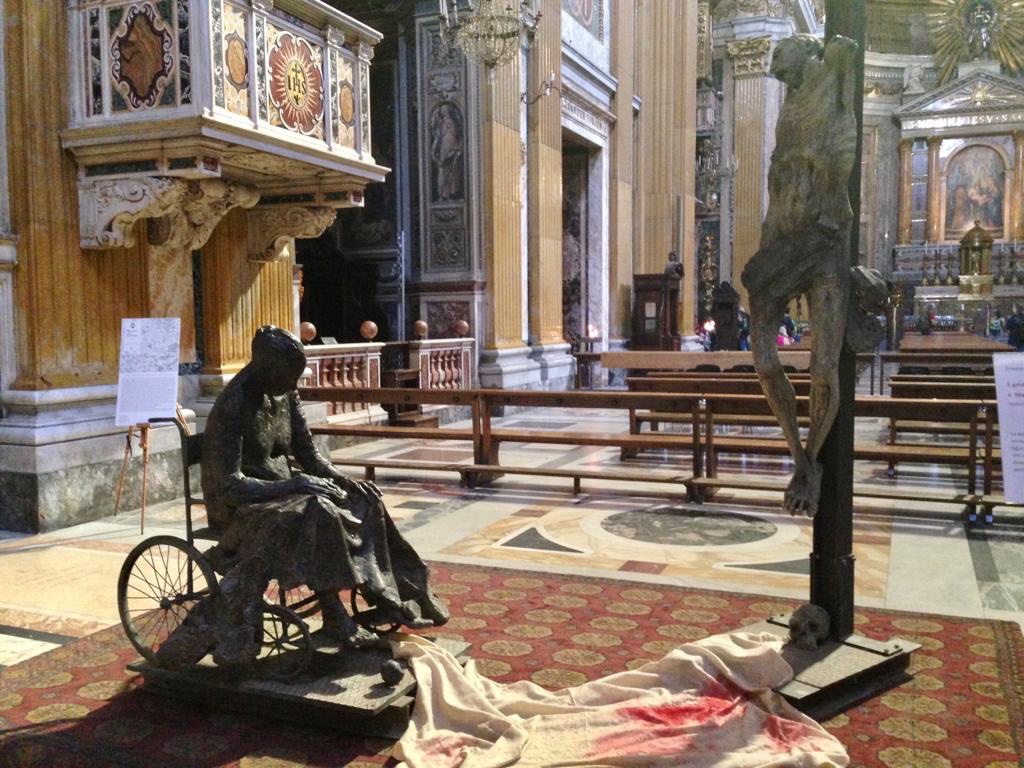
 DYING TO MEET YOU