How human he was

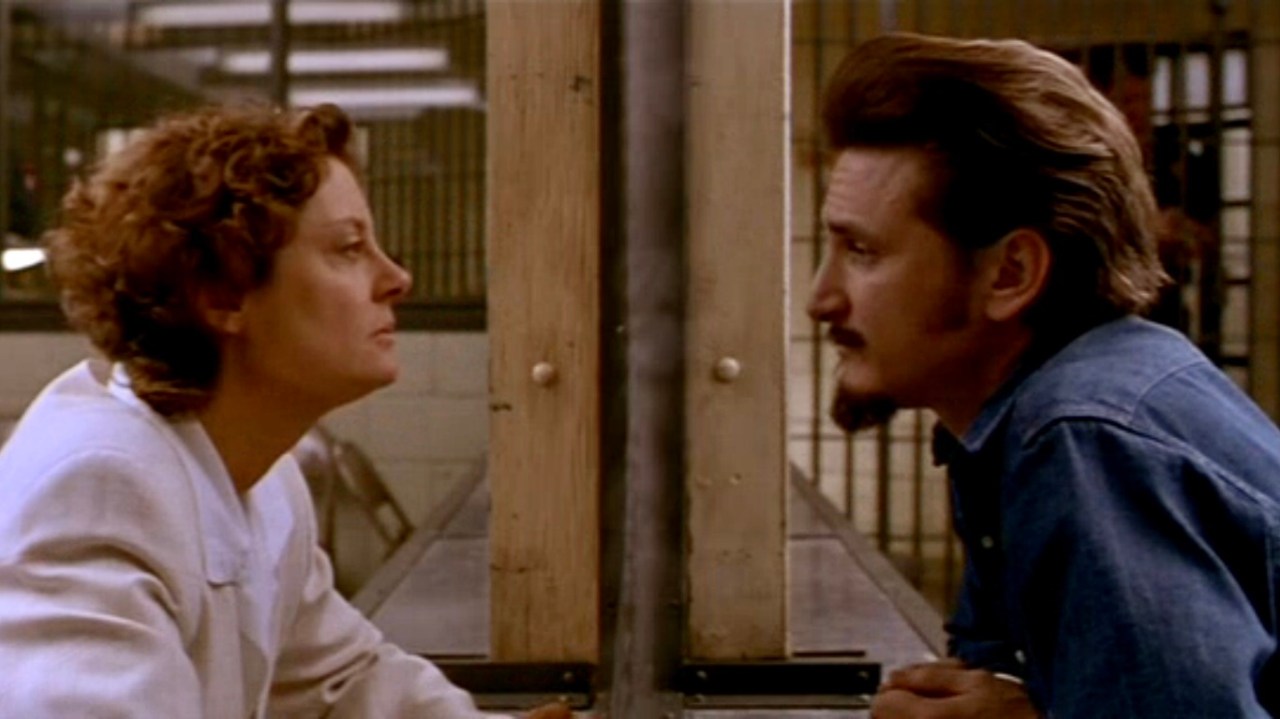
Although it was half a lifetime ago for me, I remember watching the film Dead Man Walking in a high school religious studies class. I also remember that this single film affected me deeply and challenged whatever limited thoughts I had had on the death penalty at that point.

Now that I am currently in Texas, I took the occasion to read this fascinating transcript of a conversation between Debbie Morris, Helen Prejean, and Rabbi Elie Spitz on Krista Tippett’s program On Being.

As the moment of the man’s execution approached, Morris said:

Debbie Morris was abducted and raped by a man who was eventually killed by capital punishment. In the interview, she discusses her ambivalence about his execution and describes her reason for wanting her perpetrator dead as having been motivated more by fear of him than out of a desire for revenge.
Continue reading

What this Holocaust survivor wants on her tombstone

Whenever I read about recently committed antisemitic acts in the news, my heart and mind immediately goes especially to Holocaust survivors. What must it be like to survive the Holocaust and then to be witnessing antisemitism in your own city in the twenty-first century?

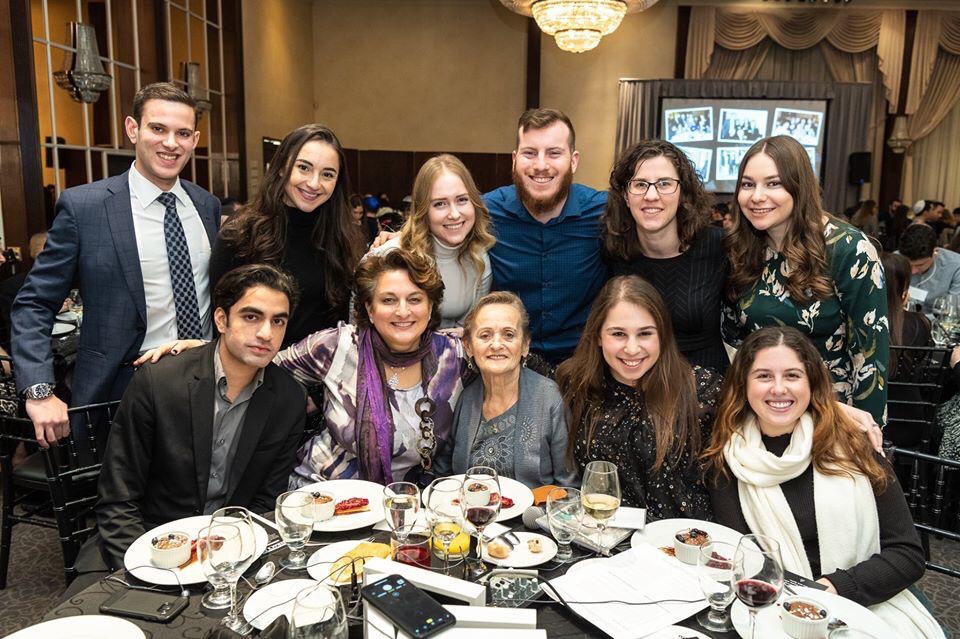
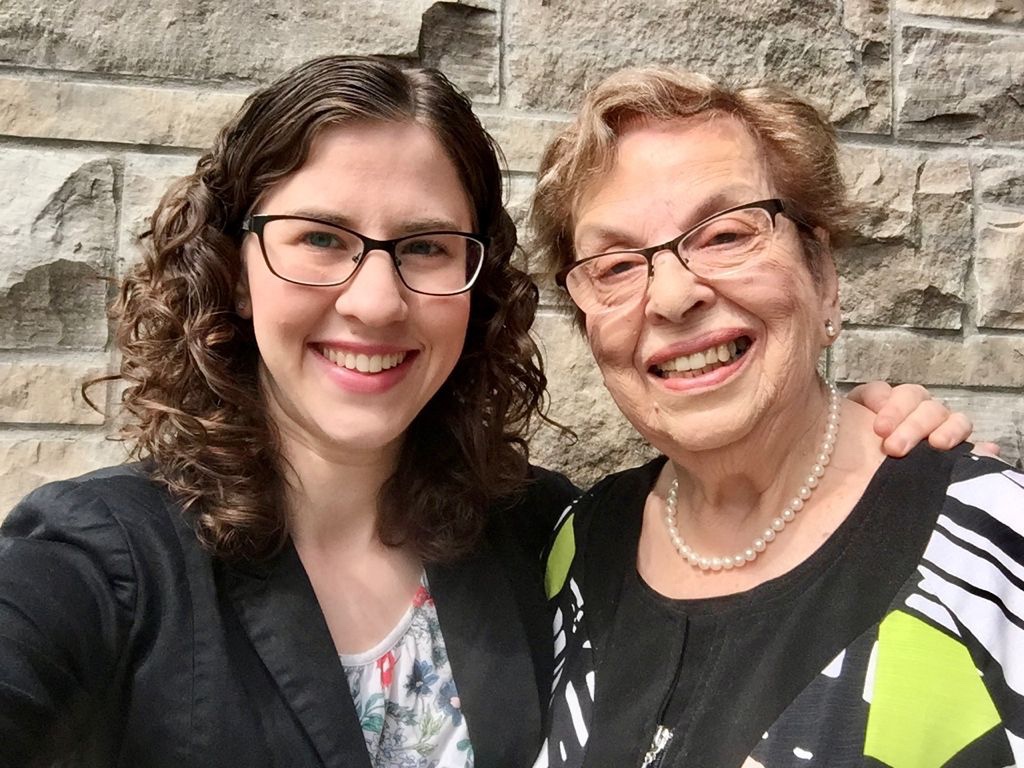
Two years ago, after the synagogue shooting near San Diego, I visited my friend Faigie Libman. Faigie is one of two survivors with whom I travelled on a Holocaust study trip to Germany and Poland.

In my clip with her, Faigie says that her motto, which she hopes will go on her tombstone is, “If you have hatred in your heart, there’s no room for love.”

Take a look at this clip. It’s such a good reminder that darkness is best combatted with light and hatred is best combatted with love.

Making space for marking loss

Eleven years ago today, I was in Berlin embarking on the 10-day March of Remembrance and Hope Holocaust study trip with sixty Canadian students and two survivors.

It is not an exaggeration to say that there has not been a day of my life since that trip that I have not recalled it in some way.

Contending with morality and mortality as a young adult through this trip remains among the most formative and orienting experiences of my life.

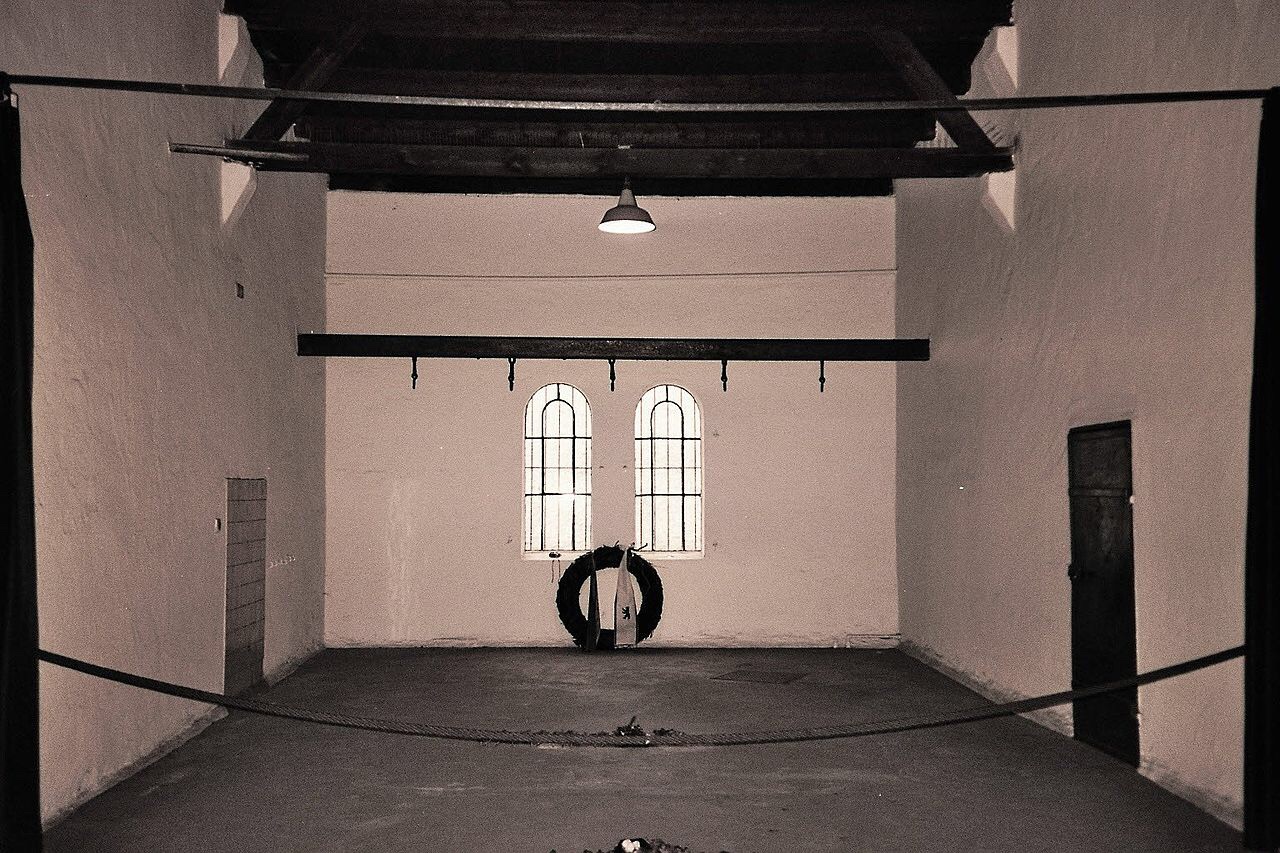
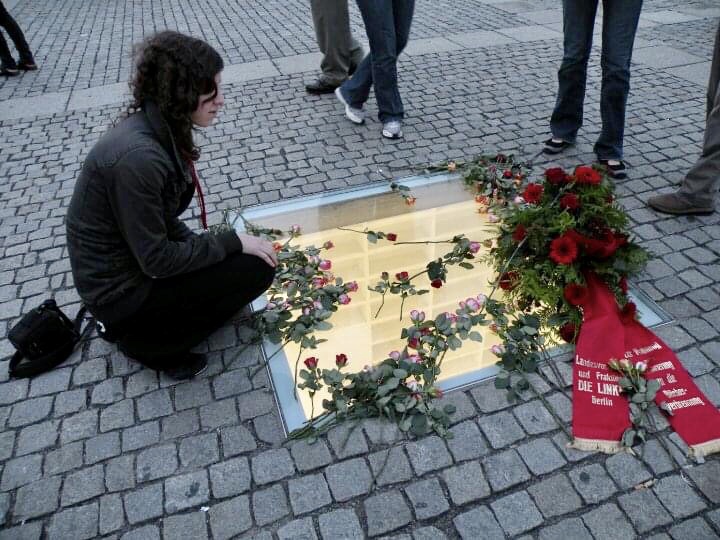
One of the first sites we visited is pictured below. As we stood there, we weren’t quite sure what we were meant to see. But gradually, with the help of our guide, this memorial came to life for us.

Continue reading

With Eyes Open

I first heard the following story told by the incredible storyteller and guide Michael Bauer during the 2010 March of Remembrance and Hope Holocaust study trip to Germany and Poland.

Shmuel Gogol was a Polish Jew who was born in Warsaw. His mother died and his father was expelled from Poland. For a time, Shmuel was raised by his grandmother before she eventually brought him to Janusz Korczak’s orphanage.

One day, Shmuel saw a boy playing a harmonica and he immediately longed to have one of his own so that he could learn to play it. Janusz Korczak finally gave him one for his birthday.

As I have written about before, Korczak and 200 children of the orphanage were deported to the death camp called Treblinka. However, Shmuel was not among these children because his grandmother had smuggled him out of the Warsaw Ghetto to stay with his uncle in a different Polish town during the war.

However, despite these efforts to protect him, Shmuel still ended up getting deported to Auschwitz.

At Auschwitz, all of Shmuel’s possessions were confiscated, including his harmonica.

Time went on and, one day, Shmuel could hear the sound of a harmonica from within the concentration camp. So intent was he at the prospect of once again having a harmonica that he traded several days of food rations in order to obtain it from the other prisoner.

Continue reading

Remembrance in the Living Room

In 2010, some friends gathered in a living room to discuss the Holocaust, the testimony of survivors, and its impact on society over time in an intimate and familiar setting.

Since then, this experience has become an annual international initiative called Zikaron Basalon, which means “remembrance in the living room.”

The event usually takes place on Yom HaShoah, Israel’s official date of commemoration for those who perished in the Holocaust.

Continue reading

How To Become Something

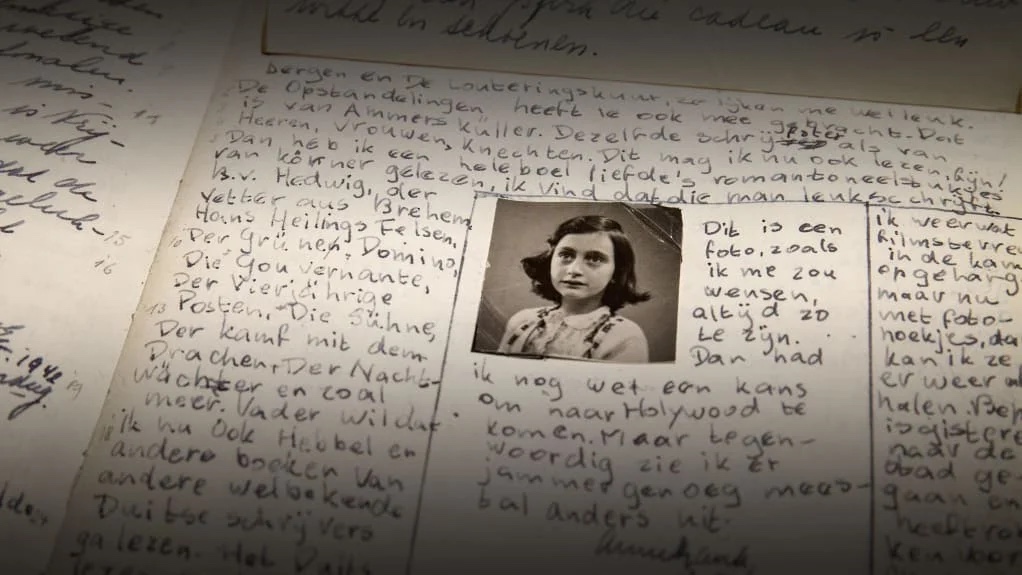
I was struck today by something I read on the Anne Frank House website:

On this Q&A-style page, there is question: “What does writing mean to Anne?”

The answer that follows is this:

Writing meant a great deal to Anne. It was her way to vent.

The nicest part is being able to write down all my thoughts and feelings; otherwise, I’d absolutely suffocate. – Anne Frank, 16 March 1944

She hoped one day to become a famous writer or journalist. Although she doubted from time to time whether she was talented enough, Anne wanted to write anyway.

That last sentence is so key! She hoped to become a famous writer and, in fact, she did but not in a way she could have ever expected. Anne Frank perished in the Holocaust at age 15, and her diary went on to be published after her death. Since then, more than 30 million copies of the diary have sold in more than 70 languages.

Continue reading

“In half an hour, I’ll know more than you do”

On this Ash Wednesday, I am recalling those words spoken by Fr. Alfred Delp to a chaplain shortly before the Nazis executed the priest by hanging.

Throughout history, there are certain persons who display such a remarkably supernatural outlook toward death.

Here are a handful of examples excerpted from St. Alphonsus Maria De Liguori’s Preparation for Death:

Continue reading

How I Will Live after the Pandemic

There is a miscellaneous text by Janusz Korczak (the Polish Jew who perished in Treblinka along with 200 children and staff of the orphanage he directed) that is titled, “How I Will Live after the War.”

In it, he notices how “about fifteen of them are keeping journals.” Most of the journals document life day-to-day and, occasionally, there are reminiscences about the past. However, “only once did someone write about what he was going to do after the war.”

Continue reading

What is Done When at a Loss of What to Do

I just flipped open to an essay by Elie Wiesel entitled, “The Death of My Father” which begins with the words: “The anniversary of the death of a certain Shlomo ben Nissel falls on the eighteenth day of the month of Shevat.” Since it was just recently Tu B’Shvat [the fifteenth day of Shevat], it so happens that today is the eighteenth day of this Hebrew month.

Since his father was murdered in Buchenwald, Wiesel discusses finding himself unable to conform to the ritual traditions of Jewish mourning that include going to synagogue, studying the Mishnah, saying the orphan’s Kaddish, and proclaiming God’s holiness.

Continue reading

The Holocaust and Fruitfulness

Today is both International Holocaust Remembrance Day and the Jewish holiday of Tu Bishvat. The coinciding of a solemn commemoration with a celebration of the trees and fruits of Israel makes me reflect on all the tenacious ways that new life is sometimes brought forth from barren situations.

Continue reading