Art guarded with your life

Leonardo da Vinci died on this date in 1519 and so today I am recalling the occasions on which I have had the opportunity to view some of his paintings.

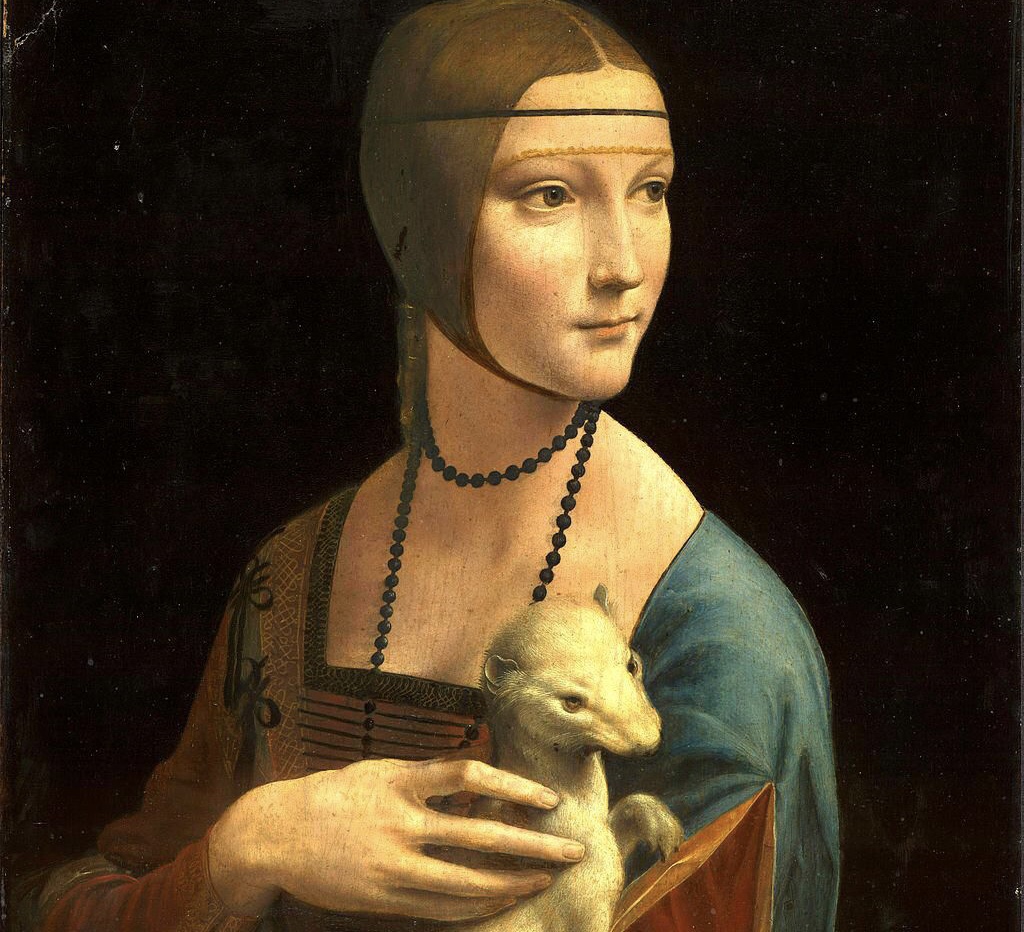
One experience that especially stands out was when I saw the Lady with an Ermine painting at Wawel Castle and Cathedral in Poland. There was a long line to see this painting and only a few museumgoers at a time could enter the room in which the painting was exclusively displayed. Once my friends and I finally crossed the threshold and entered the room containing the painting, we noticed the armed guards attending to it.

This was several years ago when Islamist terrorists were wreaking havoc and attacks were a high threat in Europe. I thought about the armed guards and how it was that they were defending this artwork with their lives, particularly when there was a real threat of terrorism in key sites epitomizing our civilization.

Continue reading

What You Are Doing Is Important

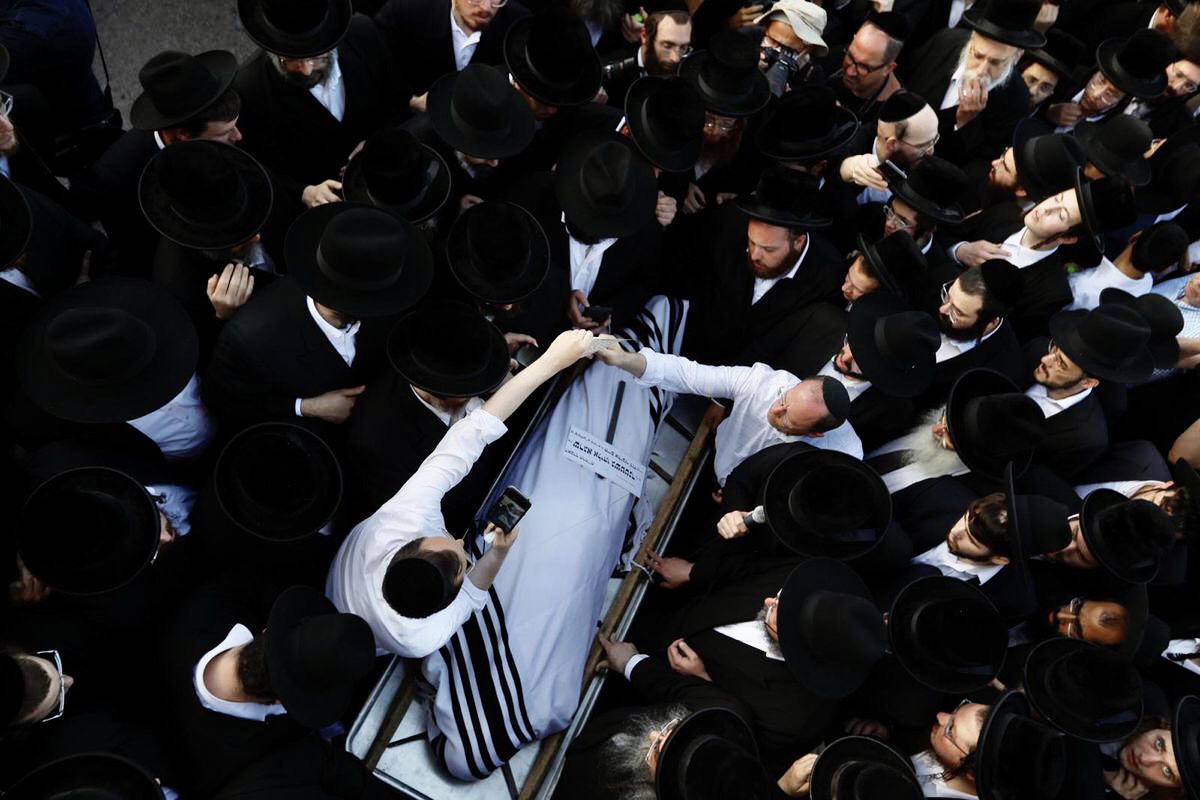
What a remarkable photo it is taken by Ariel Schalit for the Associated Press. The caption in this Globe and Mail story says, “Mourners gather around the body of Shraga Gestetner, a Canadian singer who died during Lag BaOmer celebrations at Mt. Meron, in northern Israel, on April 30, 2021.”

Shraga Gestetner was among those accidentally trampled and killed in the midst of a big celebration in Israel. Many commentators are reflecting on the heightened fervour and enthusiasm among those who were finally able to gather for the annual event, partly in celebration of the luminousness of Judaism’s mystical teachings.

The Montreal-born victim had been in Israel without any of his family members and he was buried immediately in accordance with Jewish law.

Continue reading

Will loss enhance appreciation?

I recently asked a young woman about what ways she has found to profit from the situation of living during a pandemic.

Her immediate answer was that she came to truly value attending church because this is something that had been taken away during to the periods of lockdown. Prior to the pandemic, she would often skip church because of her erratic work hours, but once she had experienced the loss of this possibility that was not on her own terms, she resolved to make church attendance, when possible again, a non-negotiable commitment in her life.

This is a testament that we value that which costs us.

If something costs us nothing, it is natural to expect that we will not value it highly.

And so I am also reminded of the ardour with which persecuted Christians attend church.

Continue reading

A Most Noble Surrender

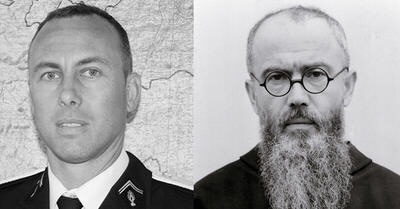
Three years ago today, Arnaud Beltrame offered his life in the place of a female hostage.

I think his story of sacrifice is worth remembering not only because it was formerly news but because it is now an honourable legacy from which we can stand to gain understanding something about the purpose of life.

Here’s some of what I wrote at the time:

Beltrame’s act of heroism was not out of character for him since he had first prepared the ground by surrendering to the call of natural virtues through his commendable military service. He superiors had acknowledged his “resolutely offensive spirit when faced with adversity” and his preparedness to “fight to the end and never give up.” In Beltrame’s life we can see how human virtues, such as the loyalty and selflessness he cultivated through his military training and service, prefigured his act of supernatural virtue in laying down his life for a stranger.

[…]

Beltrame’s act was not mere chivalry or a random act of kindness; it was something more powerful than that. As Hildebrand reminds, “We can never bring about of our own volition this state of being possessed by and lost in what is greater than ourselves.” Beltrame clearly believed in something even greater than his own life. 

“Whenever anything thus causes us to soar above the habitual plane of our life,” says Hildebrand, “Whenever we are possessed by something that overwhelms us… by its objective superiority, we also become delightfully aware that it is precisely this renunciation of our sovereignty which makes us really free.”

This is the freedom of a martyr who – even in losing his or her own life – still bears witness to that profounder and nobler reality than life itself – the love that triumphs over death. 

[…]

Like the death of Maximilian Kolbe, the Polish priest who seventy-seven years ago offered to take the place of a husband and father in Auschwitz, may Beltrame’s self-surrender bear much fruit in witnessing to the fact that we love best when we lay down our lives for God and others.

We need Beltrame’s legacy.

We need his example to fill us with admiration at the nobility of self-surrender for the sake of others.

His willingness to take the place of a stranger, even though it meant death for himself, confirms to us that death is not the greatest evil. What the terrorist did to Beltrame was far worse than the death Beltrame suffered, particularly for the terrorist’s own soul. But for Beltrame, while the loss is certainly tragic for his loved ones, the nobility of his self-surrender remains a resplendent example so that we are free to contemplate what it is that gives a person the freedom to literally lay down their life for another.
How the Cross Can Be A Gift

This evening I have been watching some of the coverage of Pope Francis’ Apostolic Journey to Iraq. He is the first pope to ever visit the birthplace of Abraham.

It’s fascinating to see how the country is welcoming him and my Iraqi friend tells me that Iraqis wish he would either stay longer or come more often given how the pope’s visit is bringing the country together and even putting it into order in amazing ways.

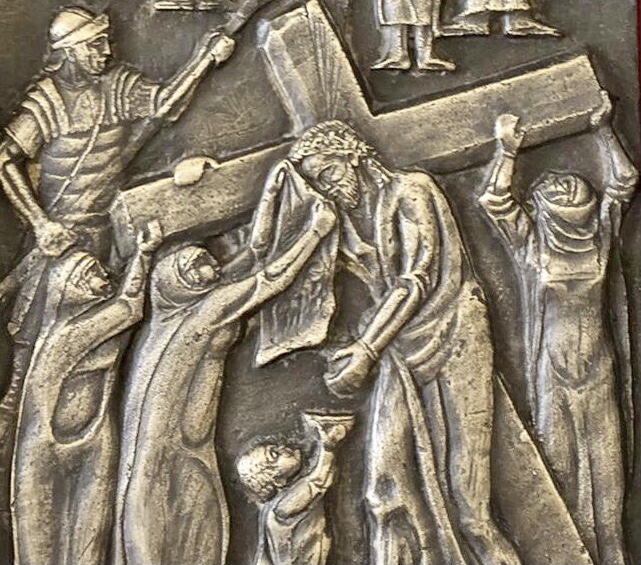
Gifts are naturally an important part of hospitality, but what to get the pontiff who took the name of one about whom it’s been said, “It is doubtful that anyone desired riches as greatly as [he] desired poverty”?

Continue reading