Cultural Vitality and Human Dignity

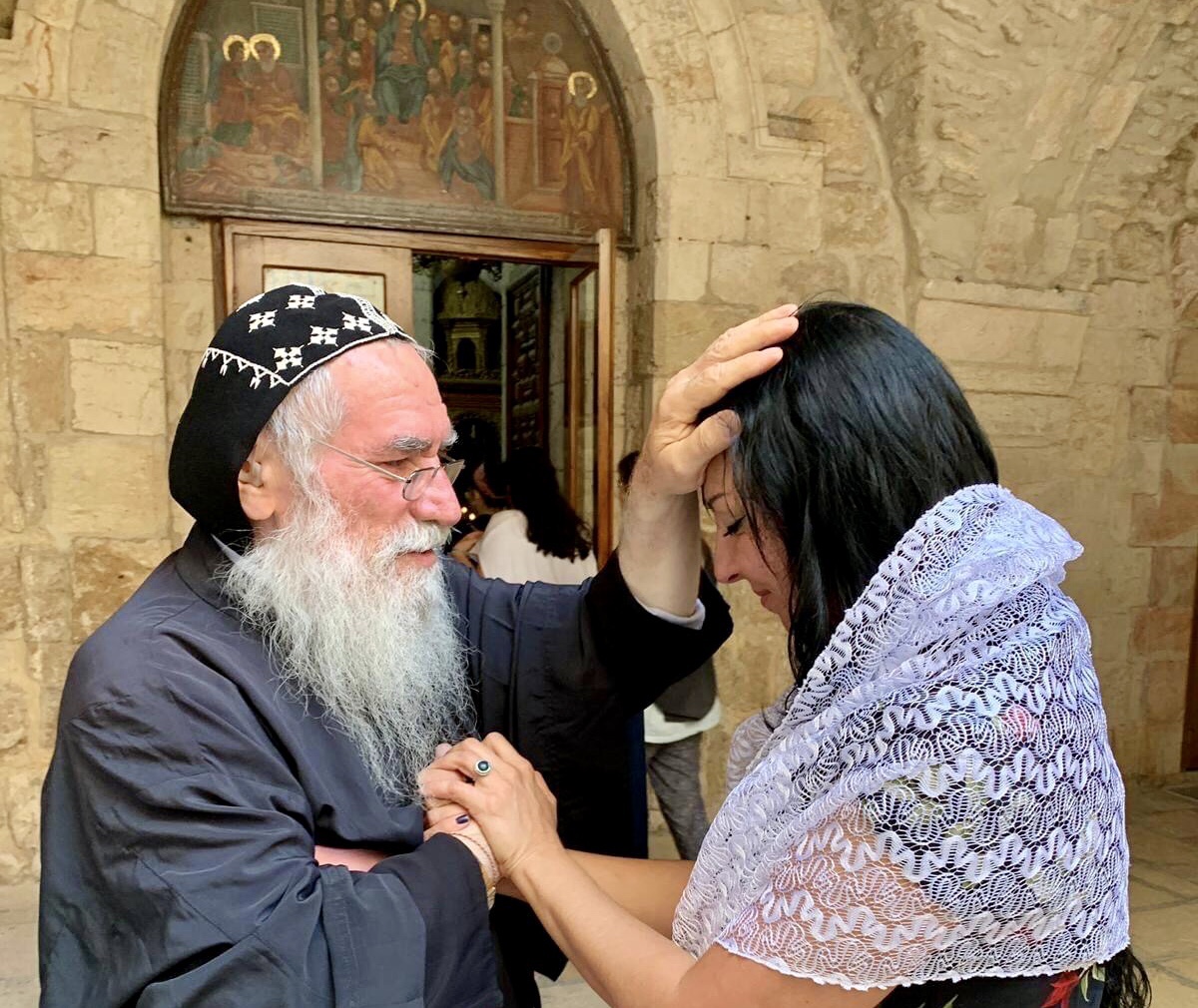
A few years ago, I conducted this interview with Juliana Taimoorazy, founder of the Iraqi Christian Relief Council. Since it was not previously published, but contains many worthwhile remarks about why cultural preservation is an important aspect to human dignity, I now post it here.

Amanda: You were once interviewed on CBN about the Iraqi elections and Iraqi Christians. In that clip you said, “In addition to building communities in terms of brick and mortar, their homes, their streets, and churches… there must be real attention paid to building the human person.” What does it mean to build up the human person, in general and in Iraq specifically?

Continue reading

The Practice of the Presence of Persons

There is a short spiritual classic by Brother Lawrence titled, The Practice of the Presence of God in which the 80-year-old author exhorts his 64-year-old correspondent to live and die in the presence of God.

This letter says:

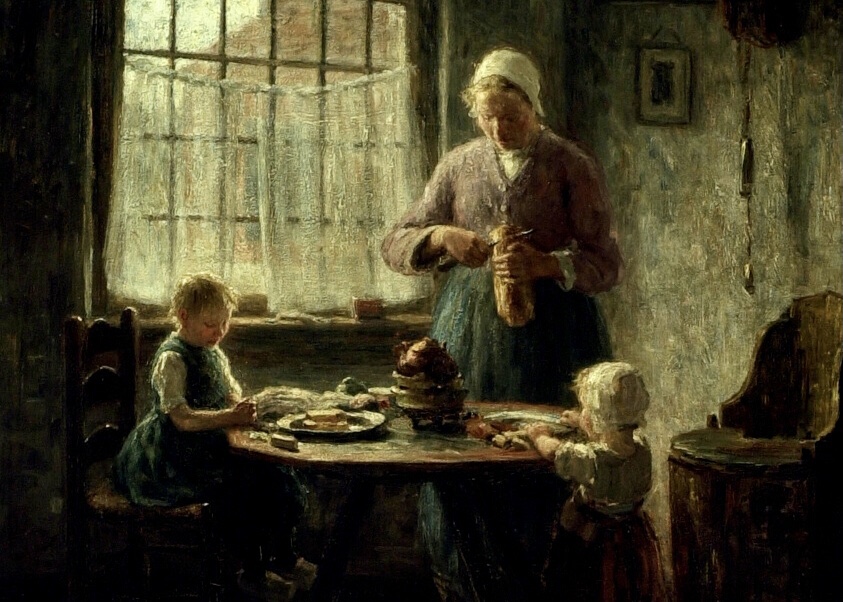
I pity you much. It will be of great importance if you can leave the care of your affairs to, and spend the remainder of your life only in worshipping God. He requires no great matters of us; a little remembrance of Him from time to time, a little adoration: sometimes to pray for His grace, sometimes to offer Him your sufferings, and sometimes to return Him thanks for the favours He has given you, and still gives you, in the midst of your troubles, and to console yourself with Him the oftenest you can. Lift up your heart to Him, sometimes even at your meals, and when you are in company: the least little remembrance will always be acceptable to Him. You need not cry very loud; He is nearer to us than we are aware of. It is not necessary for being with God to be always at church; we may make an oratory of our heart, wherein to retire from time to time, to converse with Him in meekness, humility, and love. Every one is capable of such familiar conversation with God, some more, some less: He knows what we can do. Let us begin then; perhaps He expects but one generous resolution on our part. Have courage. We have but little time to live; you are near sixty-four, and I am almost eighty. Let us live and die with God: sufferings will be sweet and pleasant to us, while we are with Him: and the greatest pleasures will be, without Him, a cruel punishment to us. May He be blessed for all. Amen. Use yourself then by degrees thus to worship Him, to beg His grace, to offer Him your heart from time to time, in the midst of your business, even every moment if you can. Do not always scrupulously confine yourself to certain rules, or particular forms of devotion; but act with a general confidence in God, with love and humility. You may assure – of my poor prayers, and that I am their servant, and yours particularly.

Continue reading

How human he was

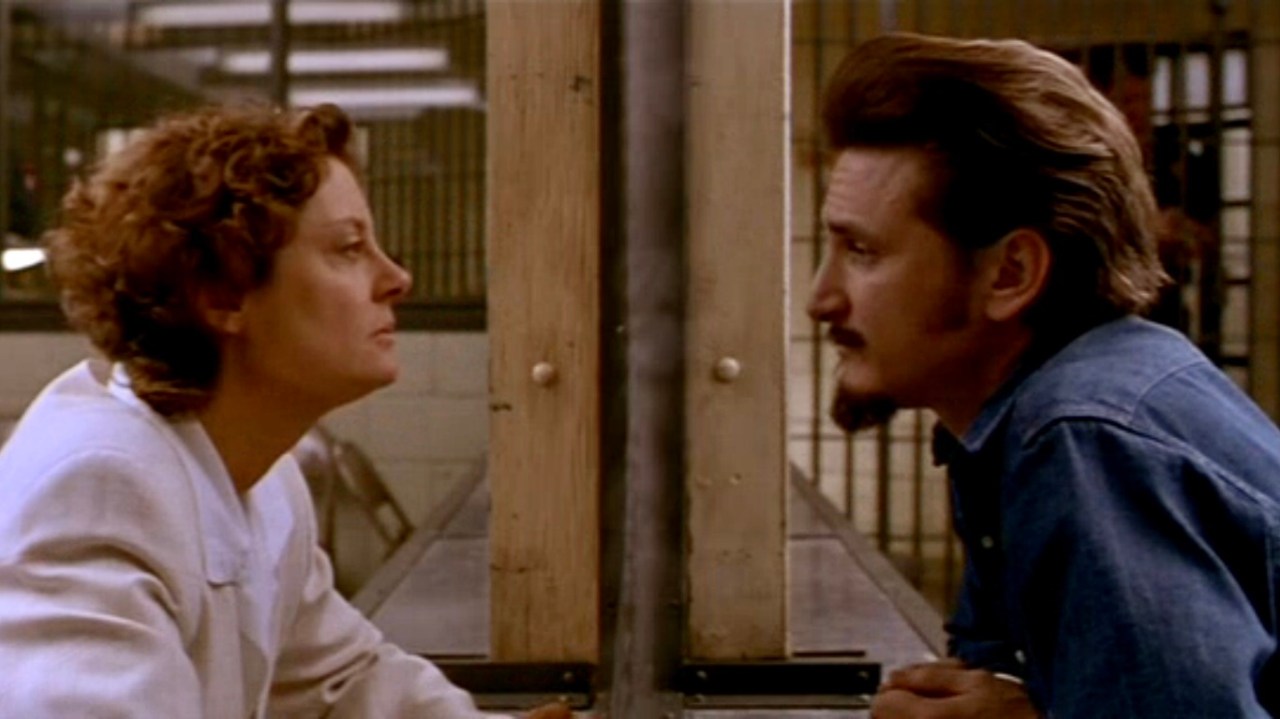
Although it was half a lifetime ago for me, I remember watching the film Dead Man Walking in a high school religious studies class. I also remember that this single film affected me deeply and challenged whatever limited thoughts I had had on the death penalty at that point.

Now that I am currently in Texas, I took the occasion to read this fascinating transcript of a conversation between Debbie Morris, Helen Prejean, and Rabbi Elie Spitz on Krista Tippett’s program On Being.

As the moment of the man’s execution approached, Morris said:

Debbie Morris was abducted and raped by a man who was eventually killed by capital punishment. In the interview, she discusses her ambivalence about his execution and describes her reason for wanting her perpetrator dead as having been motivated more by fear of him than out of a desire for revenge.

Continue reading

Finding God in All Things

On this feast day of St. Ignatius of Loyola, I thought I’d quickly scan the Internet to see what came up in connection with Ignatian spirituality and death.

I was pleased to find this 3-minute video in which a young man named Jurell Sison reflects on the death of his grandparents.

Continue reading

Treasure Trove of Memories

And even if you found yourself in some prison, whose walls let in none of the world’s sounds – wouldn’t you still have your childhood, that jewel beyond all price, that treasure house of memories? Turn your attentions to it. Try to raise up the sunken feelings of this enormous past; your personality will grow stronger, your solitude will expand and become a place where you can live in the twilight, where the noise of other people passes by, far in the distance. – Rainer Maria Rilke

This quotation of Rilke’s came to my mind while I was reading Dr. Bradley Birzer’s beautiful tribute to his grandmother titled, “A Brilliant Death: My Grandmother, 2003.”

Here’s an excerpt:

Continue reading

“I know that he will rise again…”

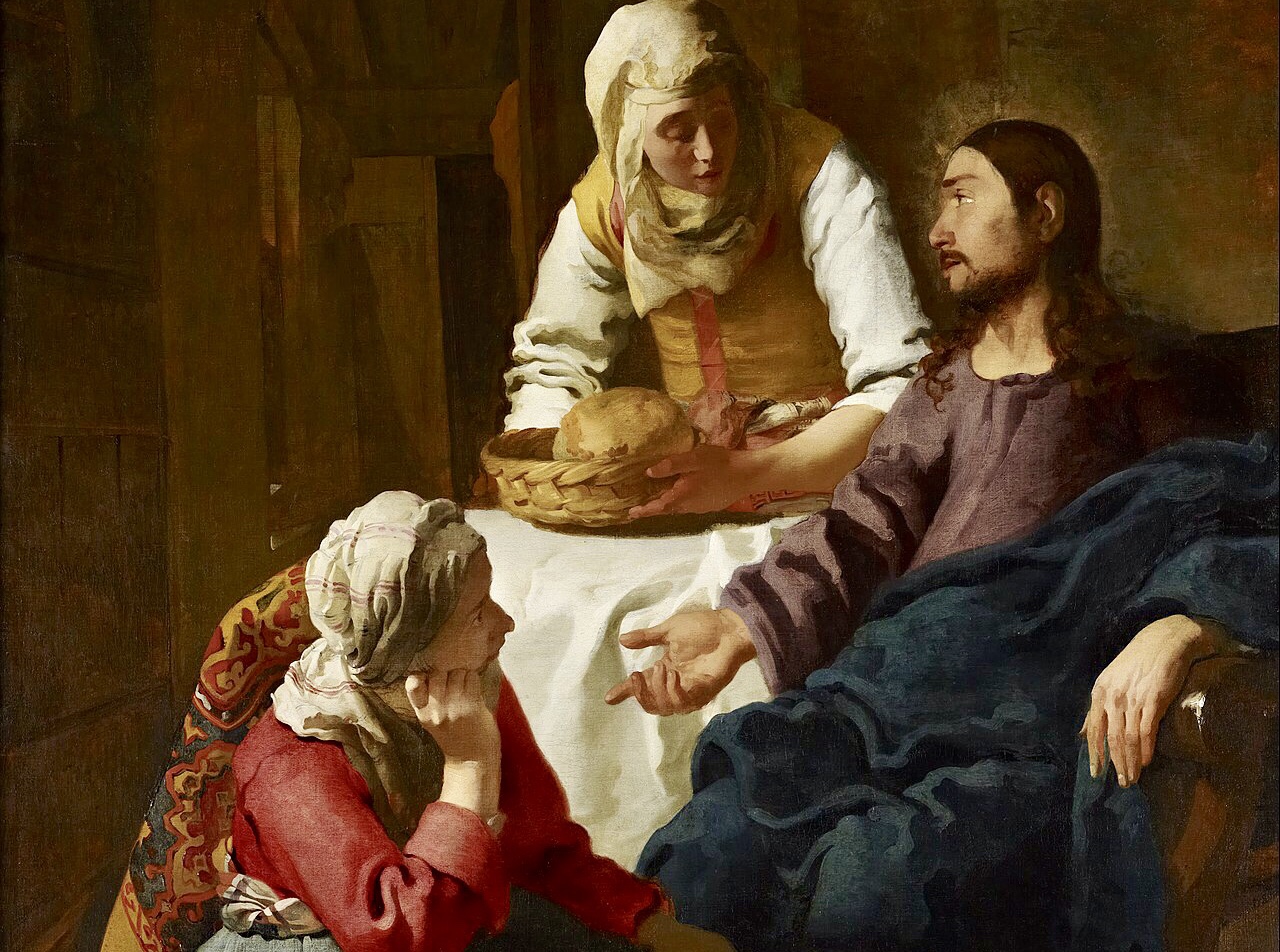
On the Feast Day of St. Martha, I am thinking about what I consider to be one of the most intriguing sentences in the New Testament – “I know that he will rise again in the resurrection on the last day.” (John 11:24)

This statement demonstrates the forcefulness and solidity of Jewish belief in an eventual resurrection of the dead.

Another pertinent section is 1 Corinthians 15 in which St. Paul discusses the importance of Christ having been raised from the dead saying, “If Christ has not been raised, then our proclamation has been in vain and your faith has been in vain.” (1. Cor. 15:14)

Continue reading

You can take it with you

Almost everyone has at some point heard the phrase, “You can’t take it with you.”

This idiom is, of course, intended to remind us that we cannot take any material possessions with us when we die.

It seems to me worthwhile to flip the phrase around to ask ourselves what we can “take” with us when we die.

If you think that you have an everlasting soul, then there are presumably both temporal and everlasting realities.

What difference would it make in our lives if we spent time regularly contemplating what we can/do “take with us” when we die?

What would it look like to add more eternal realities to our day-to-day?

“You can’t take it with you” is intended to give perspective and cultivate detachment.

Yet, it is only the first step. The next step is to sort out what it is that we can, in a sense, “take with us” and then to cultivate that in our lives.

The Breath of the Spirit of Life

I have very much been enjoying Charles C. Camosy’s new book, Losing Our Dignity: How Secularized Medicine is Undermining Fundamental Human Equality.

Camosy begins with sketching the anthropological views undergirding our contemporary secular bioethics and then proceeds to explore recent cases, particularly at the beginning and end of life, where human equality has been questioned or undermined.

In a fascinating chapter on brain death, I was interested to learn about how Jews have succeeded in challenging the notion that brain death constitutes the death of the person.

Continue reading

Five years after Fr. Jacques was martyred…

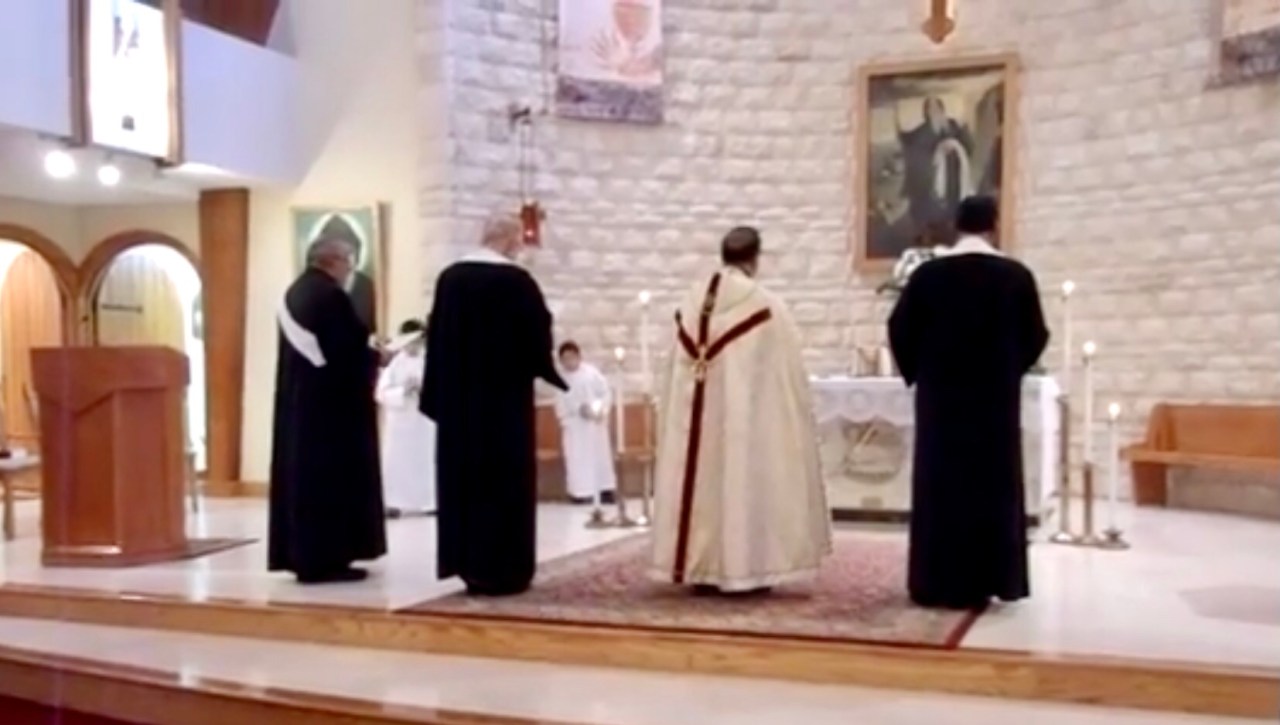
For the past five years, I have carried this prayer card of Fr. Jacques Hamel in my passport holder. The elderly French priest’s martyrdom at the hands of Islamists while he was celebrating mass was very absorbing for me, particularly that summer of 2016.

Continue reading