Deathly urgent

Lately, I have been reflecting on how thinking about my death gives me greater urgency to say ‘yes’ to things.

It is easy to say, “Not yet,” “Not now,” “I’m not ready,” “I need more education,” “I need more authority,” “I need more time,” etc., etc.

I realize that, so many times, I am tempted to say ‘no’ to good and worthwhile endeavours simply because they demand audacity.

But then, when I consider that I will die, it gives me the courage to say yes to these things instead.

Mortality is motivational.

Here’s a video very much in this vein with a great ending about what makes human life “very good.”

The Difference between Paternalism versus Love

Recently, I heard a doctor say, “The difference between paternalism and love? It’s trust.”

This made me think of a scene in the 2017 film The Upside in which Philip Lacasse, a billionaire who has become a quadriplegic, is seeking a live-in caregiver.

Philip’s executive assistant, Yvonne Pendleton, has lined up interviews with many candidates.

“So… what would you like to tell us,” Yvonne prompts the first woman applicant who looks stiff and uptight.

“I take my relationship with my clients very personally,” she stumbles. “And seriously, I mean. And professionally. As well. Of course,” she ends awkwardly.

The next applicant, a politically-correct gentleman, says, “I don’t hear disability. I hear this ability.”

Continue reading

“What do I need to know about you as a person?”

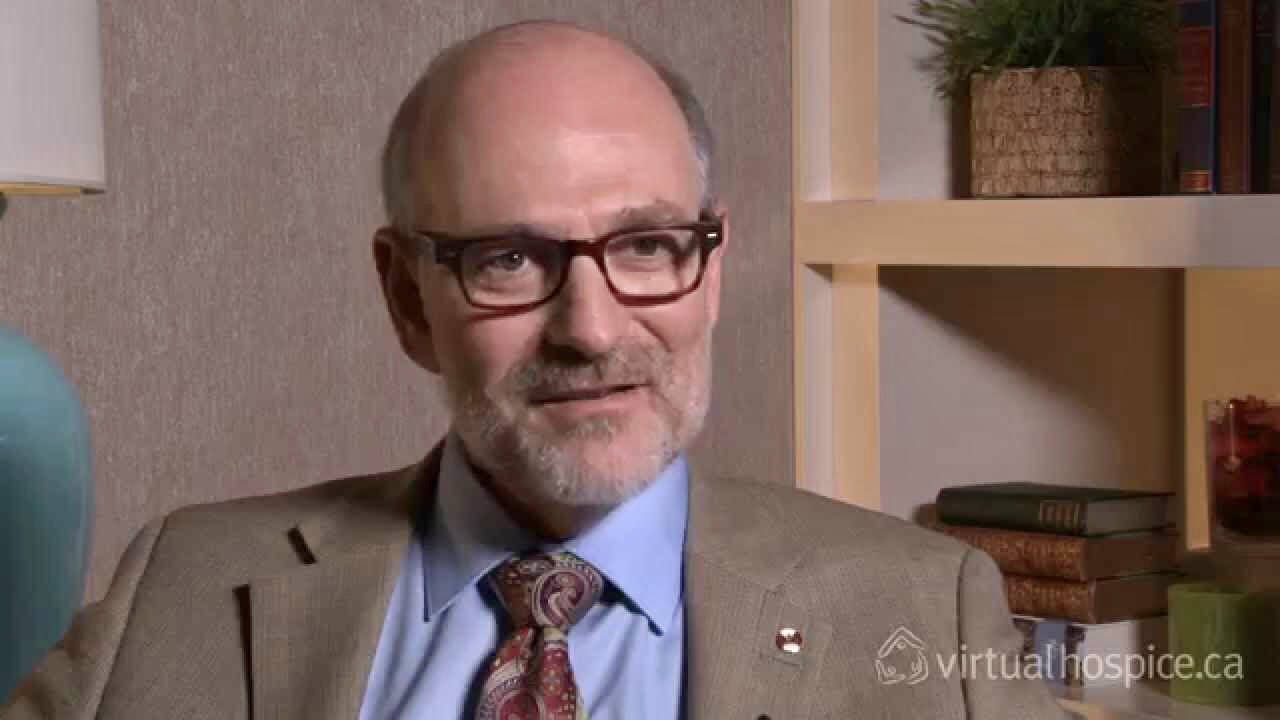
I was recently learned about Dr. Harvey Chochinov who is an inspiring Canadian doing pioneering work in palliative care.

It is truly exciting to discover these forerunners who have worked so actively and lived so generously, giving an example to new generations about the kind of humanizing care that is possible.

Dr. Chochinov is a Distinguished Professor of Psychiatry at the University of Manitoba and Director of the Manitoba Palliative Care Research Unit, CancerCare Manitoba. He has been doing palliative care research since 1990 and has explored psychiatric dimensions of palliative medicine, such as depression, desire for death, will to live and dignity at the end of life. He has also pioneered “dignity therapy.”

According to this paper of his, “Dignity Therapy, a novel, brief psychotherapy, provides patients with life threatening and life limiting illnesses an opportunity to speak about things that matter most to them. These recorded conversations form the basis of a generativity document, which patients can bequeath to individuals of their choosing. Client Centred Care is a supportive psychotherapeutic approach, in which research nurse/therapists guide patients through discussions focusing on here and now issues.”

In this brief YouTube clip, Dr. Chochinov describes what he calls “The Patient Dignity Question” and the significant impact that this open-ended, personalist question can have for patients and those who care for them:

Continue reading

“Call me ‘Doctor'”

The other day I heard a story about a women in her nineties who was receiving palliative care.

This woman, it was told, “had never before insisted on ceremony.”

She was not the kind of person who would have had her academic credentials in her Twitter handle.

She did not ordinarily expect anyone to use her professional titles.

However, for the first time in her life, when she was receiving care much later in life, she asked to be called “Doctor.”

She was a not a medical doctor, but she had earned a doctorate in some other subject.

And the reason why she wanted to be called “Doctor” only now was because she intuited that it would make a difference for how she would be treated and the kind of care she would receive.

This is a common and striking phenomenon and reminds me of this story about Dr. Harvey Chochinov:

Continue reading

An appeal to your inner nobility

The other day, a friend of mine shared this extraordinary quotation by one of my heroes – Fr. Alfred Delp:

A community that gets rid of someone—a community that is allowed to, and can, and wants to get rid of someone when he no longer is able to run around as the same attractive or useful member—has thoroughly misunderstood itself. Even if all of a person’s organs have given out, and he no longer can speak for himself, he nevertheless remains a human being. Moreover, to those who live around him, he remains an ongoing appeal to their inner nobility, to their inner capacity to love, and to their sacrificial strength. Take away people’s capacity to care for their sick and to heal them, and you make the human being into a predator, an egotistical predator that really only thinks of his own nice existence.

Fr. Delp was a German Jesuit and those words were his response upon viewing a 1941 Nazi propaganda film.

Who, in our lives, is appealing to our inner nobility?

Who is drawing us out of ourselves and our “own nice existence”?

To whom do we let ourselves to explode our inner capacity to love?

For whom do we let our sacrificial strength be tested?

These may not be the most natural questions to ask ourselves, which is why luminaries like Fr. Delp are so important.

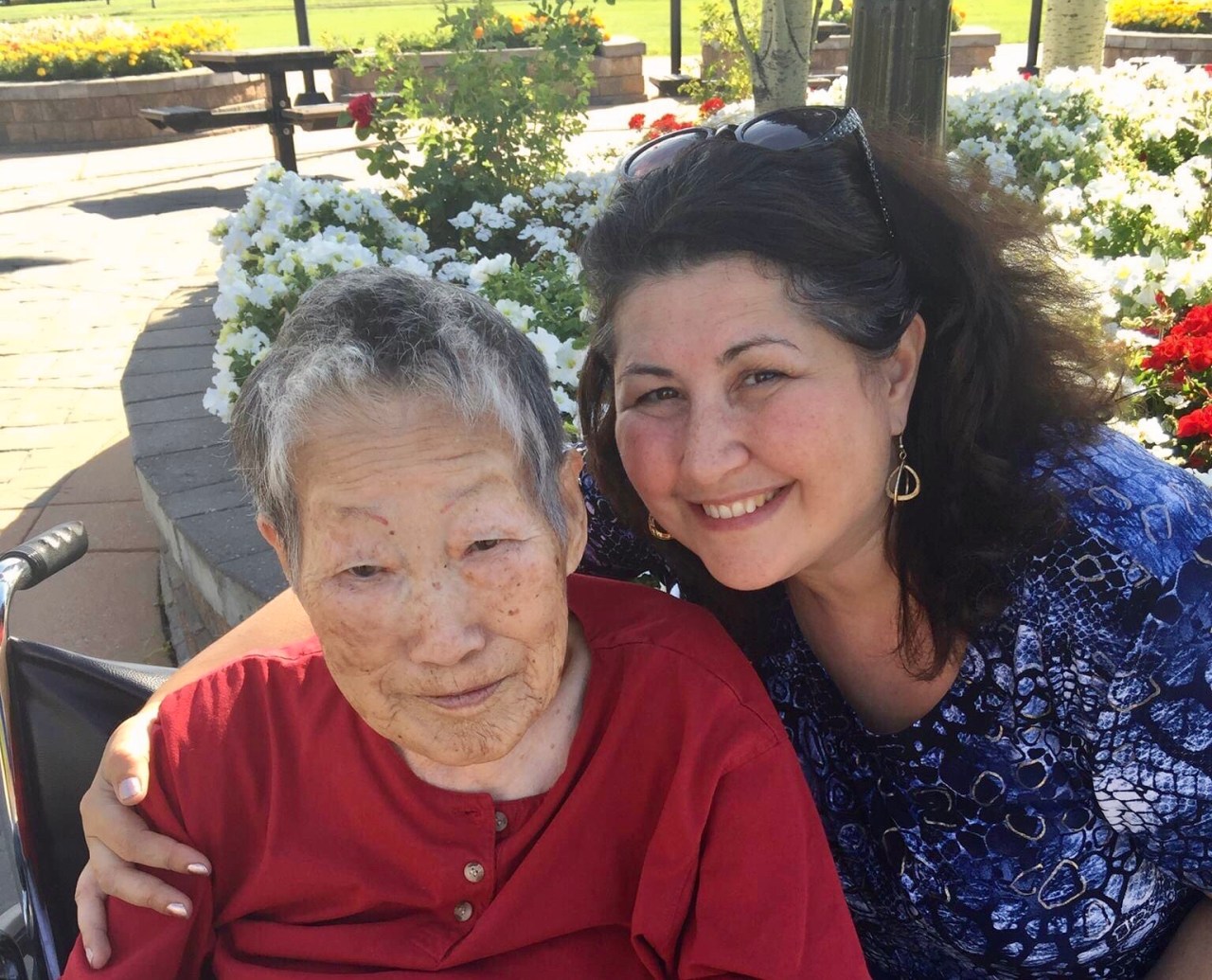
Photo: My mom visiting her brother-in-law’s mother Mrs. Hall. My mom’s care for Mrs. Hall in her final years is one example among many of my mom’s inner nobility and sacrificial strength.

“How to Use Your Eyes”

The other day I heard a story from the life of Helen Keller that I had never heard before.

In it, she recalls asking a friend who had returned from a walk in the woods what this friend had seen. The friend replied, “Nothing in particular.” Helen was dumbfounded and wondered, “How is it possible to walk for an hour and see nothing worthy of note?”

This anecdote whet my appetite and I had to look for these insights of hers in context. To my delight, I found them contained within her extraordinary short essay titled, “Three Days to See.”

Here it is:

Continue reading

Resurrection of the dead indicates what our bodies are for

In this excellent clip 6-minute clip, Rabbi Dr. Yitzchak Breitowitz explains why the resurrection of the body is an important belief for understanding what it means to be embodied persons.

His main argument is that it is fitting for our bodies, which are the means by which we may perfect our souls through good deeds, to partake of the ultimate reward and communion.

Resurrection, explains Breitowitz, restores the true unity of the person as an image of God who is also One.


Take a look:

My brother, forever

On October 15, which is Pregnancy and Infant Loss Remembrance Day, I reflect on how my parents helped me to share the experience of our family’s grief at the loss of my baby brother, Brandon Joseph Achtman, who died when he was 7 months old.

I was only two-and-a-half years old when Brandon died. But, year after year, I continued to learn more about my brother’s brief life, his death, and that he remains forever my little brother.

Even now, as an adult, I grow in my relationship with this brother of mine. The fact Brandon existed continues to affect, influence, and rouse me – in many ways as ongoingly as the fact of my other brother, Evan, with whom I grew up all along and who is still alive today.

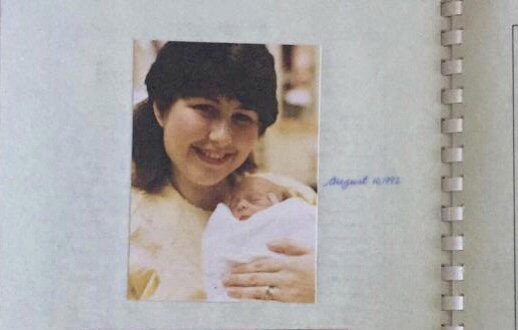
Below are some pages from the Special Care Baby Book in which my mom and I wrote and drew throughout my childhood to remember and cherish baby Brandon.

Continue reading

“The Road is Our Home”

The other day I came upon the ceramic pictured above and a Jesuit informed me that it’s derivative of a saying of one of the first Jesuits – and a companion of St. Ignatius – named Jeronimo Nadal who said, “The road is our home.”

This Jesuit was also asked by a Coptic Orthodox friend of mine how Jesuits and monks compare. The Coptic Catholic Jesuit explained that people would seek out the monks who remained put whereas Jesuits would seek out the people, finding them wherever they are.

I recently came upon these two quotations in juxtaposition:

“Those who travel much seldom achieve holiness.” – Thomas À Kempis, The Imitation of Christ, I, 23, in about 1418

and then:

“They consider that they are in their most peaceful and pleasant house when they are constantly on the move, when they travel throughout the earth, when they have no place to call their own.” – Jeronimo Nadal, in about 1565

Is it holier to be a hermit or a missionary?

Is it holier to be able to be at home in a cell or to be able to be at home anywhere in the world?

What are the circumstances most conducive to spiritual detachment?

Of course, the appropriate answers are more nuanced than dichotomous. And, it’s a matter of discernment and temperament.

Such meditations transcend the imminent and the immanent; they demand, at the very least, some eternal consideration.