Who exactly am I?

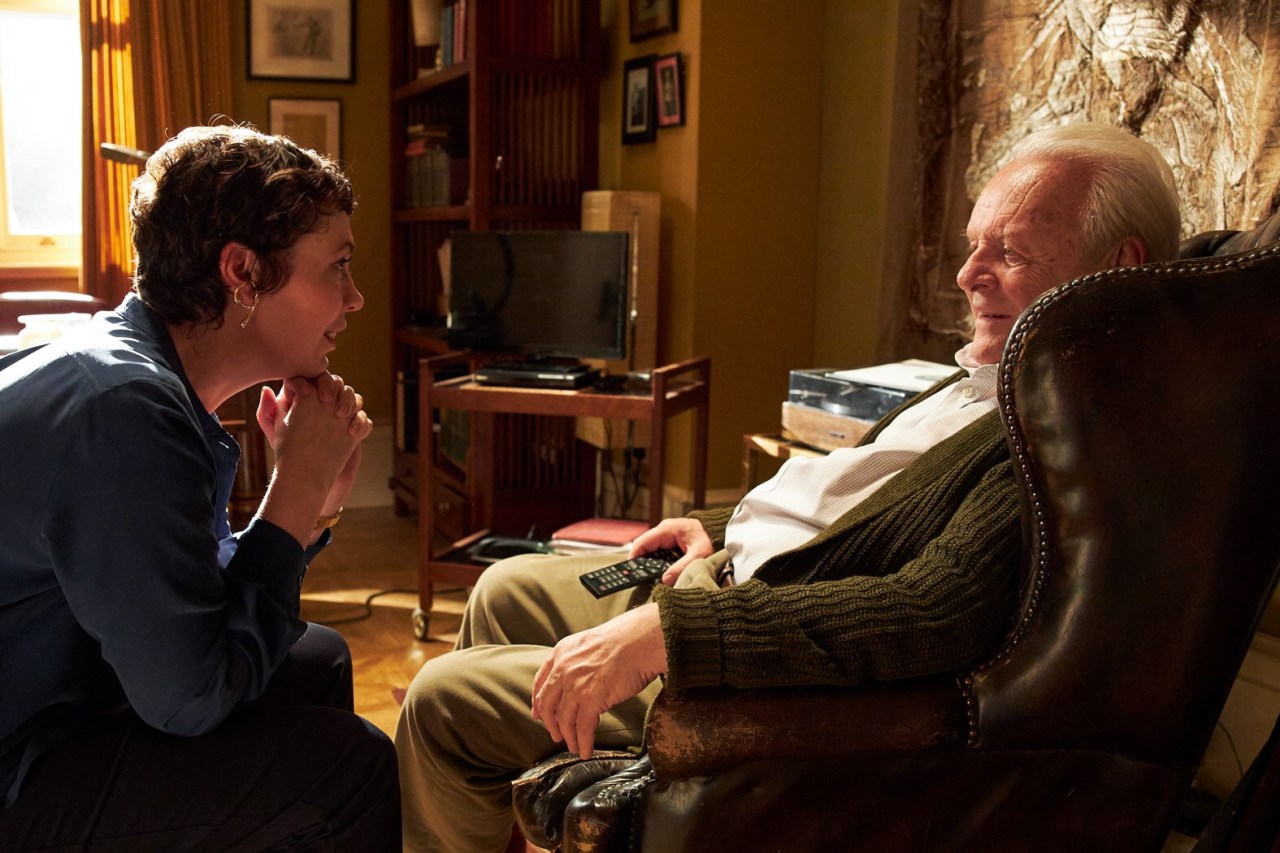
This evening I watched the film “The Father” – a drama that follows an elderly man’s experience of dementia.

The film is masterfully done and its artfulness consists in the way in which the disorientation and confusion of memory loss is simulated for the viewer.

Take a look at the trailer:

This film caused me to wonder: Why do Alzheimer’s and dementia happen specifically? I don’t mean biologically and physiologically, but rather existentially. What does it mean for humans to be the kinds of beings who, at the end of a long, successful, flourishing life can sincerely ask, “Who are you?” and “Who am I?”

Continue reading
Something to offer

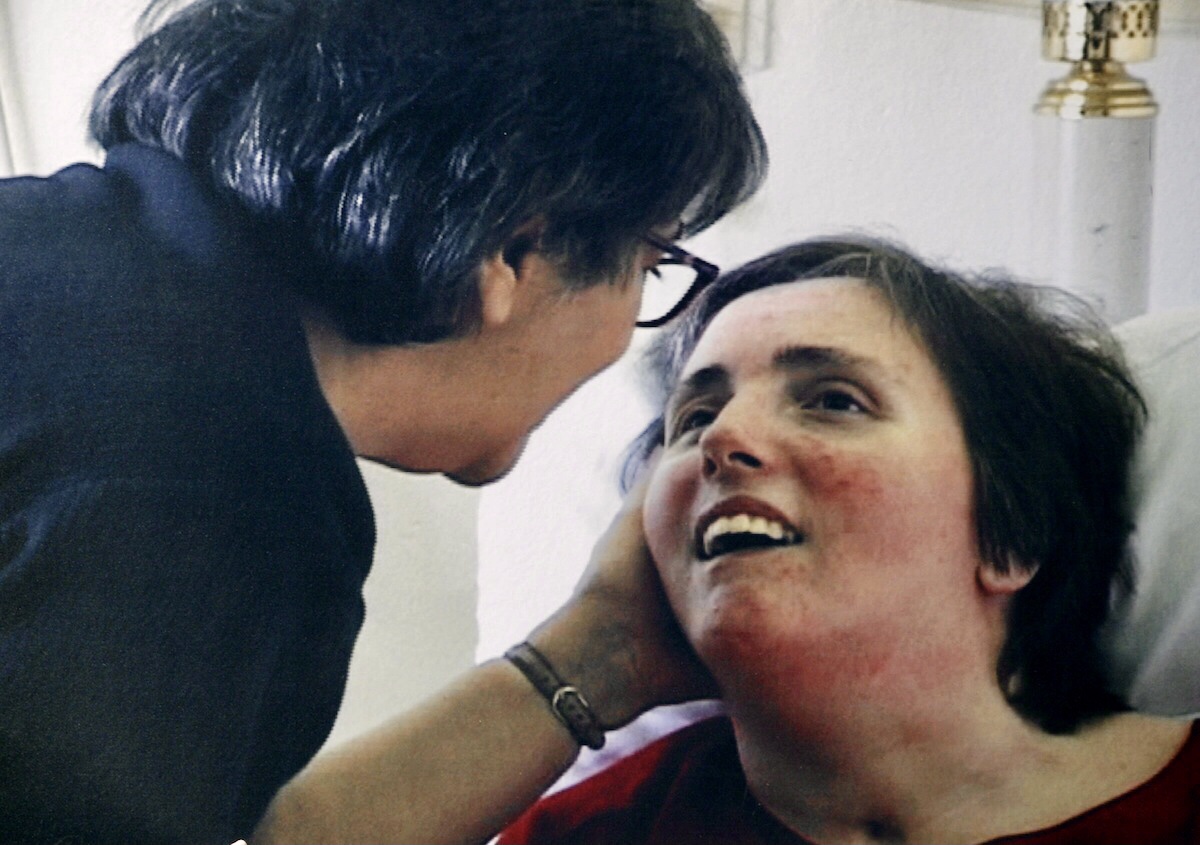
Sixteen years ago, Terri Schiavo died.

I remember that when she was in the news, I heard the term “vegetative state” for the first time. It immediately struck me as a completely inappropriate term for any person since it explicitly dehumanizes someone by applying an incorrect analogy. Initially the adjective meant, “endowed with the power of growth” but it has come to denote exactly the opposite in public bioethics – that a person is incapable of any significant growth or development. We do not tolerate those who would dehumanize others by calling them cockroaches, so we ought not tolerate the dehumanizing language that refers to persons as “vegetables.”

When I think about Terri Schiavo, I think especially about the impact that her life and death had on my friend Taylor Hyatt. She wrote this great piece several years ago titled, “13 days that changed my life: Remembering Terri Schiavo.”

In the piece, Taylor reflects on how Terri’s story captivated her when she was in Grade 7.

She wrote:

Continue reading