Justifying Our Contempt for Death

In Antoine de Saint-Exupéry Wind, Sand and Stars, the author discusses the character of both his friend Guillaumet as well as that of an old gardener in juxtaposition with the story of a suicide. Take a look at the contrast between them that he paints by his description:

Continue reading
How I Will Live after the Pandemic

There is a miscellaneous text by Janusz Korczak (the Polish Jew who perished in Treblinka along with 200 children and staff of the orphanage he directed) that is titled, “How I Will Live after the War.”

In it, he notices how “about fifteen of them are keeping journals.” Most of the journals document life day-to-day and, occasionally, there are reminiscences about the past. However, “only once did someone write about what he was going to do after the war.”

Continue reading

Facing Up to One Another

There is a philosopher named Emmanuel Levinas who said, “The relationship with the face is immediately ethical in nature. The face is what you cannot kill, or at least in the sense that says: ‘thou shalt not kill’.”

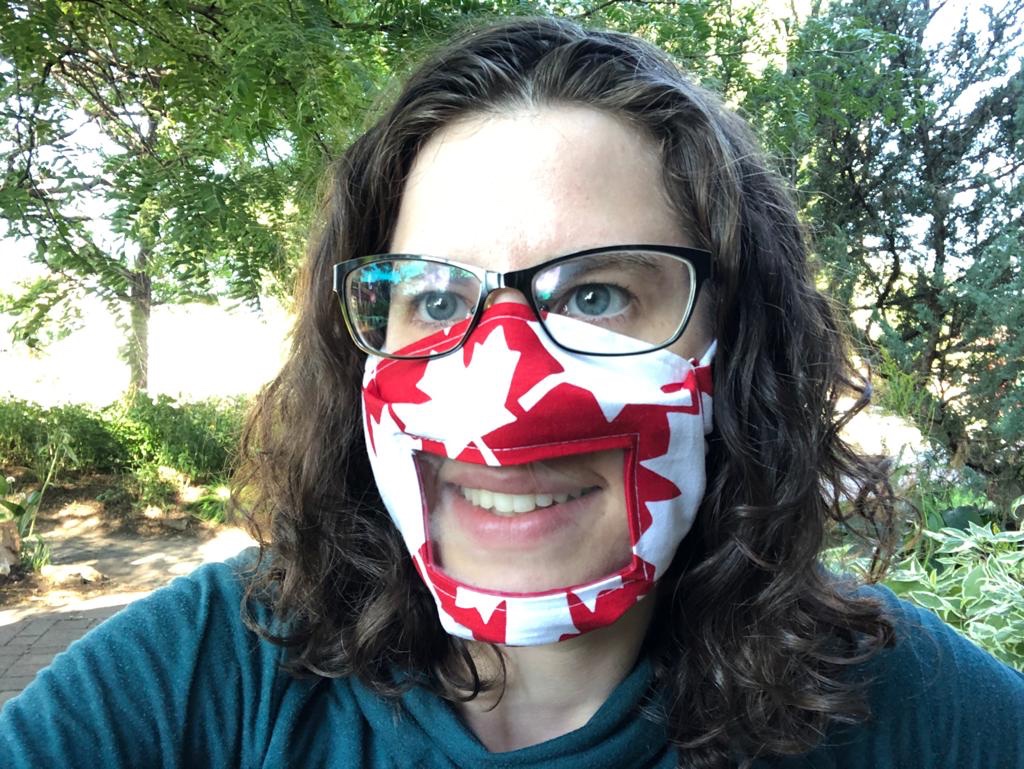
And so, whenever I see a news article accompanied by an image of an elderly person’s hand, or a syringe, or an empty hospital hallway, this quotation always comes to my mind. How different it is to actually see faces. It is almost as if seeing faces (even if only as images) is to be given a different set of facts altogether.

Continue reading

Rabbi Bulka is a Role Model in How to Suffer

It would be understandable if, upon receiving a cancer diagnosis, a person were to retreat, to withdraw.

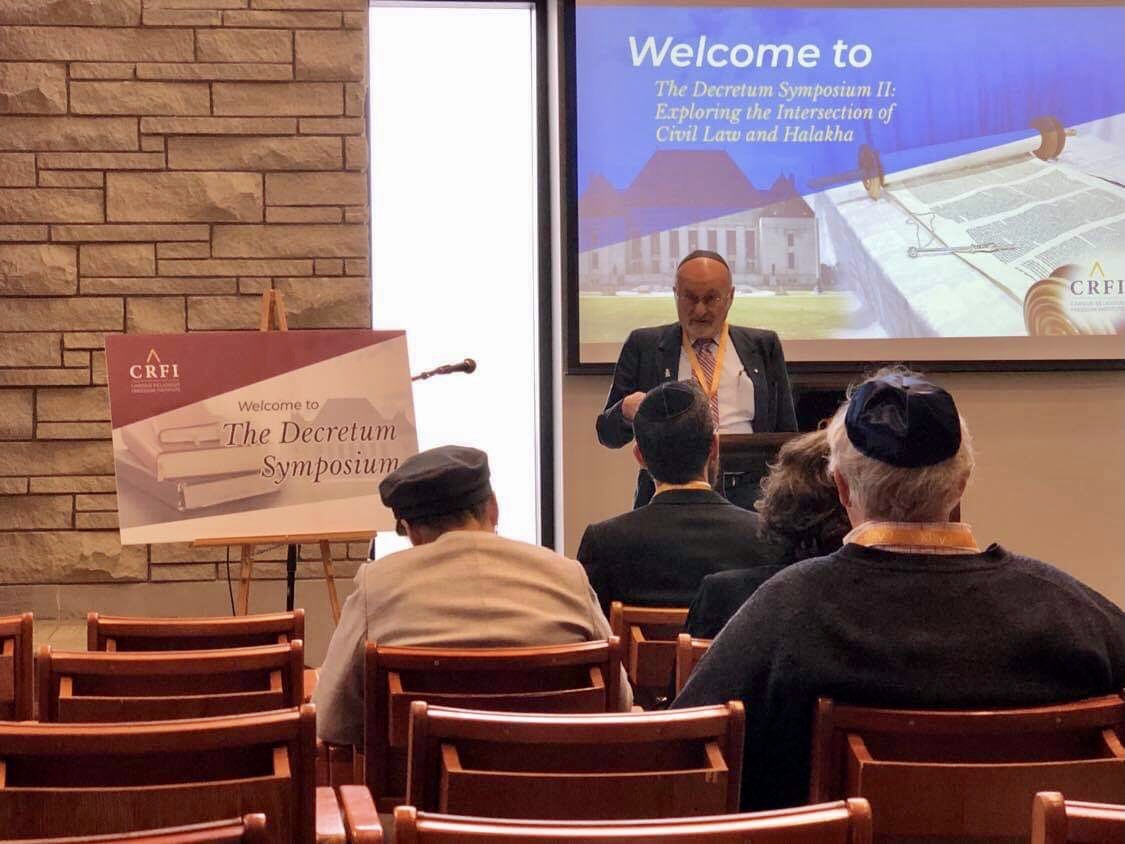
But that’s not Rabbi Dr. Reuven Bulka’s way. Instead, as ever, he continues to show leadership, to give example, and, above all, to generously go outside of himself for the good of others.

It seems that every time there is a tragedy or crisis, particularly in which his community or he himself is implicated, Rabbi Bulka has something to say with humility, sincerity, and gratitude.

Continue reading

What We Gain From Loss

The remarkable poet Rainer Maria Rilke wrote more than fourteen thousand letters over the course of his life. A few years ago, an editor published a compilation of selected letters entitled, The Dark Interval: Letters on Loss, Grief, and Transformation.

Here is an excerpt from one of the letters that particularly struck me:

Continue reading