Today I was having a conversation with someone who has visited persons who are elderly and receiving palliative care. I asked him if any of them have expressed temptations to end their lives prematurely.
“Many,” he said.
“Why is that?” I asked.
He told me that it’s because of a sense of no longer being useful. “For so many, their sense of worth is connected to how useful they can be to their loved ones and to others in their life. When these opportunities diminish, so does their estimation of the value of their lives.”
Author: Amanda Achtman
Nightly rehearsal for resurrection
There’s this Jewish prayer I like very much called the Hashkiveinu.
Here’s the text of it:
Lie us down to peace, Adonai our God, and raise us up to life, our king (protector), and spread over us the shelter of your peace, and direct us with good advice before You, and save us for the sake of your name, and look out for us, and keep enemies, plagues swords, famines, and troubles from our midst, and remove Satan from in front of us and from behind us, and cradle us in the shadow of your wings, for You are God who guards us and saves us, for You are God. Our gracious and merciful king (protector). Guard our departure and our arrival to life and to peace, from now and ever more.
Isn’t it remarkable to contemplate being “raised up to life” before falling asleep?
Yes, there is the hope in being raised to “this same life” the following morning. But the prayer is also evocative of being raised to everlasting life. As sleep seems to be a death but actually leads to a new day, so death seems to be an end but leads to resurrection.
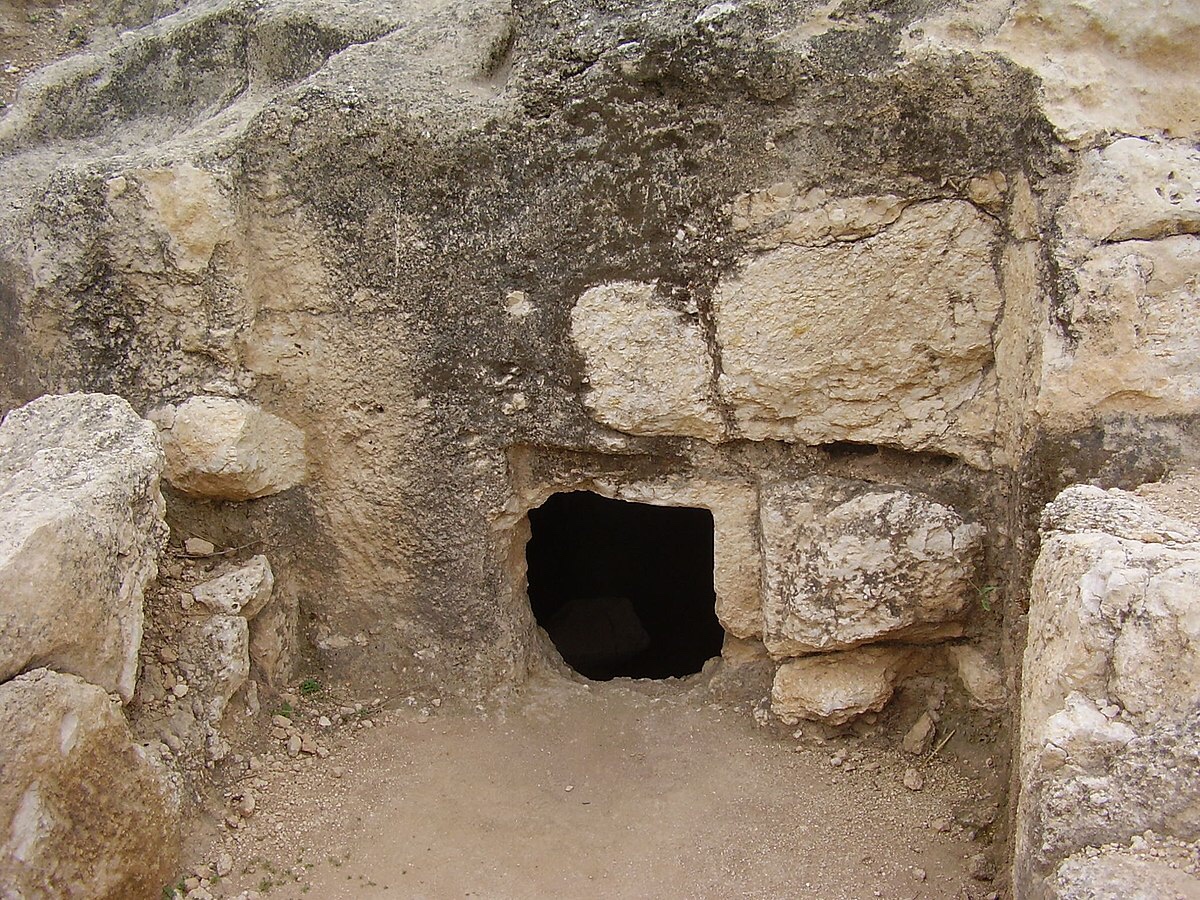
Photo: First or second century Jewish tomb at Emmaus in Israel

Wearing your mortality on your sleeve
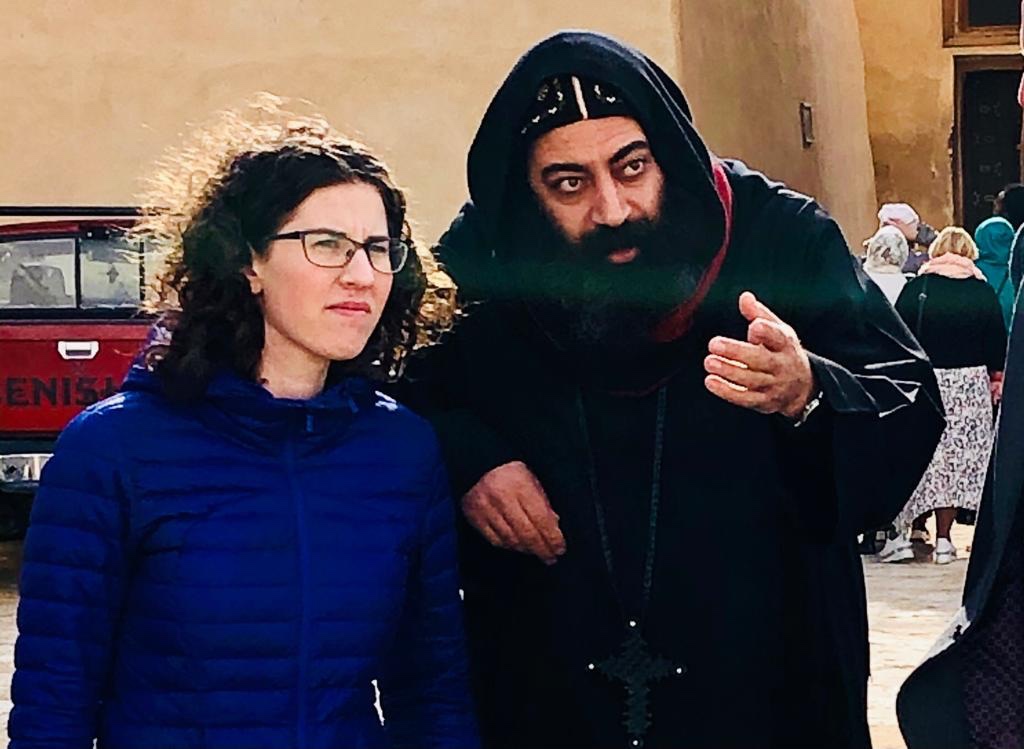
This evening I attended a brief talk by one of the students in my residence on the particularities of the Orthodox Church. It was an interesting overview and one of the things that caught my attention (because of the photos in his slideshow) was the feature of the clergy wearing black.
Doing a bit of research online afterwards, I found this explanation offered for it:
Continue readingThe color black indicates spiritual poverty – it is historically the easiest and cheapest color to dye fabric with. Moreover, black is a color of mourning and death for the priest, the symbolism is dying to oneself to rise and serve the Lord as well as giving witness of the Kingdom yet to come. Black is associated with sorrow but in the case of priestly robe this color has another symbolic meaning. A black cassock is to remind a priest that he ‘dies to the world’ every day and immerses in eternity. Blackness also symbolizes giving up bright colors and thus giving up what the world brings, its glittering, honors and entertainment. Also, as an Archpriest once pointed out to me, stains are readily visible on black, reminding the priest that he is held to a higher standard. His sins and failings will be more visible and judged harsher, than those of other people. In our very secular world, the wearing of the cassock continues to be a visible sign of belief and of the consecration of one’s life to the service of the Lord and His Church.
“And fear not them which kill the body”
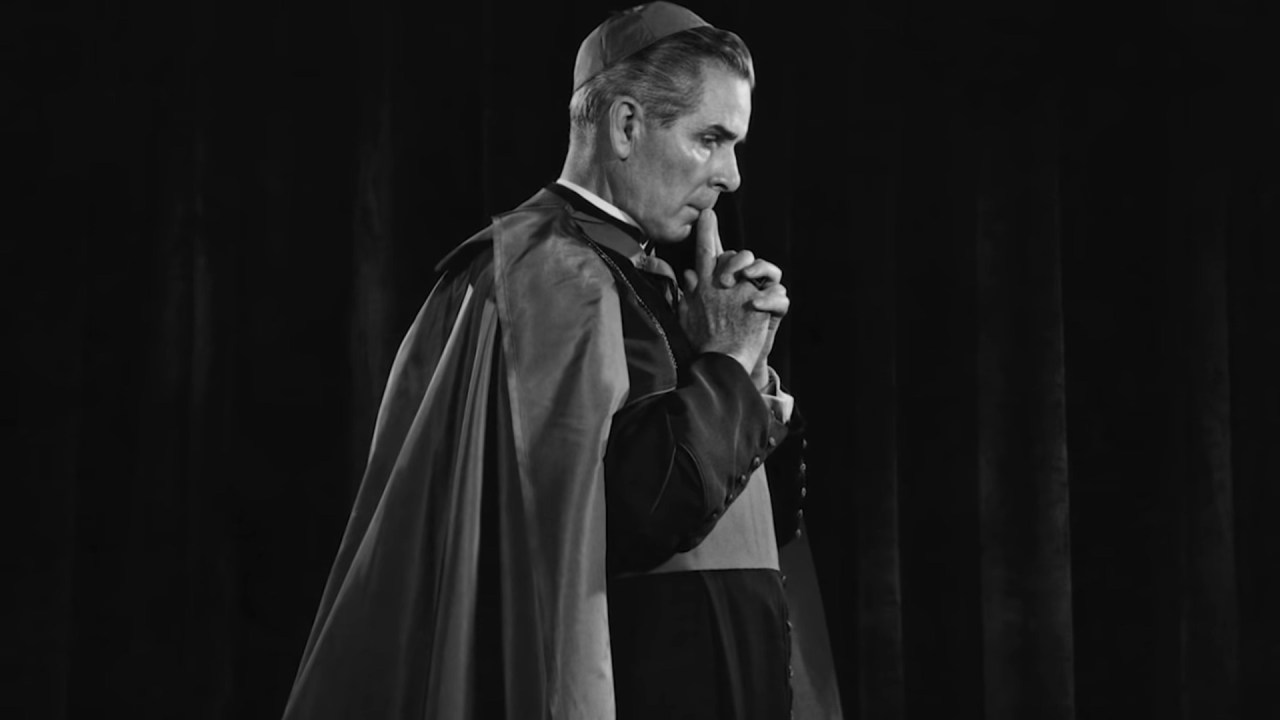
This evening I have been reflecting on the life and legacy of Fulton J. Sheen, one of the most influential Catholics of the twentieth century who died on this day at age 84 in 1979.
In 2011, I read his autobiography Treasure in Clay, which is really splendid. Tonight I was reminded that he dictated parts of it shortly before his death “from his sickbed as he clutched a crucifix.”
I want to share with you an excerpt from a brief piece by Fulton Sheen titled “Dying to Live“:
Who will answer your emails when you’re dead?
The first time I heard this question was during a homily about a decade ago.
When the bishop raised the question, the congregation responded with some subtle laughter.
Now, there are actually ways to “arrange your digital legacy” that involve transferring ownership of your accounts to others.
But, if we are being honest with ourselves, that won’t really be that important.
Here’s what the bishop had said to provoke our reflection:
When you die, you are going to have emails in your inbox, and then what are you going to do? We live in a society obsessed with accomplishment and completion. Are your daily activities lifting your spirit and bringing you rest? Ask yourself not only what you are going to do, but who you will be once you’ve done it.
What a good meditation on mortality.
No one will answer our emails when we’re dead. Have we become comfortable with the realization?
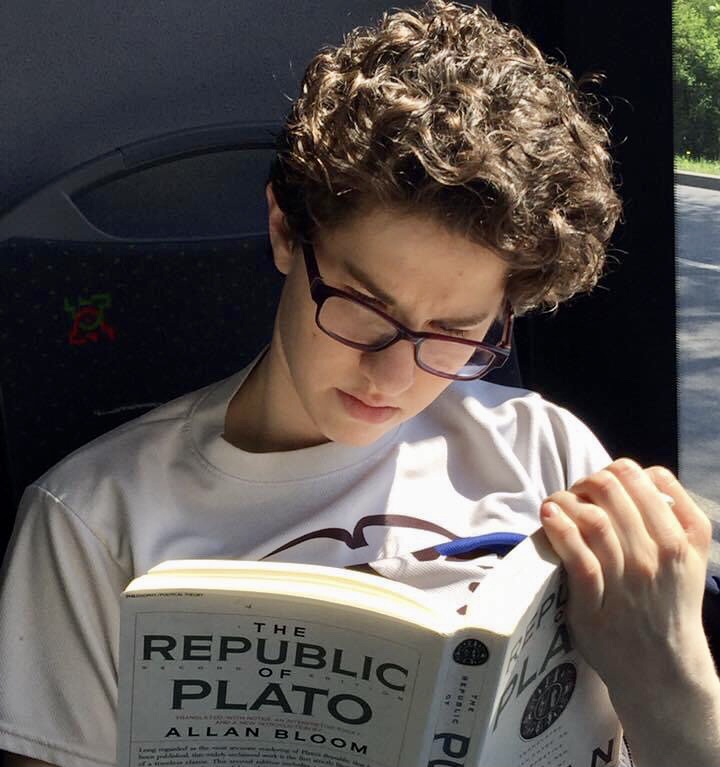
If you died reading…
Today Facebook Memories reminded me of this great quotation by P.J. O’Rourke:
“Always read something that will make you look good if you die in the middle of it.”
What, if anything, are you reading currently?
What do you think what you’re reading now reveals about your character?
Does this quotation inspire you to want to choose which books you read differently?
Even if you have nothing to write about, write!
I once heard that Cicero exhorted others to write even if they didn’t feel that they had anything to write.
This is a particularly relevant and resonant exhortation for a daily blogger and lifelong writer of journals and letters.
Today I looked for the context of this quotation and found this letter:
Quintus Cicero to Tiro
I have castigated you, at least with the silent reproach of my thoughts, because this is the second packet that has arrived without a letter from you. You cannot escape the penalty for this crime by your own advocacy: you will have to call Marcus to your aid, and don’t be too sure that even he, though he should compose a speech after long study and a great expenditure of midnight oil, would be able to establish your innocence. In plain terms, I beg you to do as I remember my mother used to do. It was her custom to put a seal on wine – jars even when empty to prevent any being labelled empty that had been surreptitiously drained. In the same way, I beg you, even if you have nothing to write about, to write all the same, lest you be thought to have sought a cover for idleness: for I always find the news in your letters trustworthy and welcome. Love me, and good-bye.
I love this idea: Write just to show your alertness to reality. Write just to prove you are really awake and alive.
Tithing Your Losses
It is told that there was once a grandson who claimed that his grandfather had been a hidden saint.
In attesting to his grandfather’s virtue, the grandson recounted the honourable work that his grandfather would do, the hours that he committed to prayer and study, and that he would donate ten percent to the poor.
The listeners were not particularly impressed since these are characteristics of any righteous and observant Jew.
The grandson continued saying, “My grandfather would give a tenth of his profits to [charity] and he would give a tenth of his losses as well.”
The Complexity of a Soul
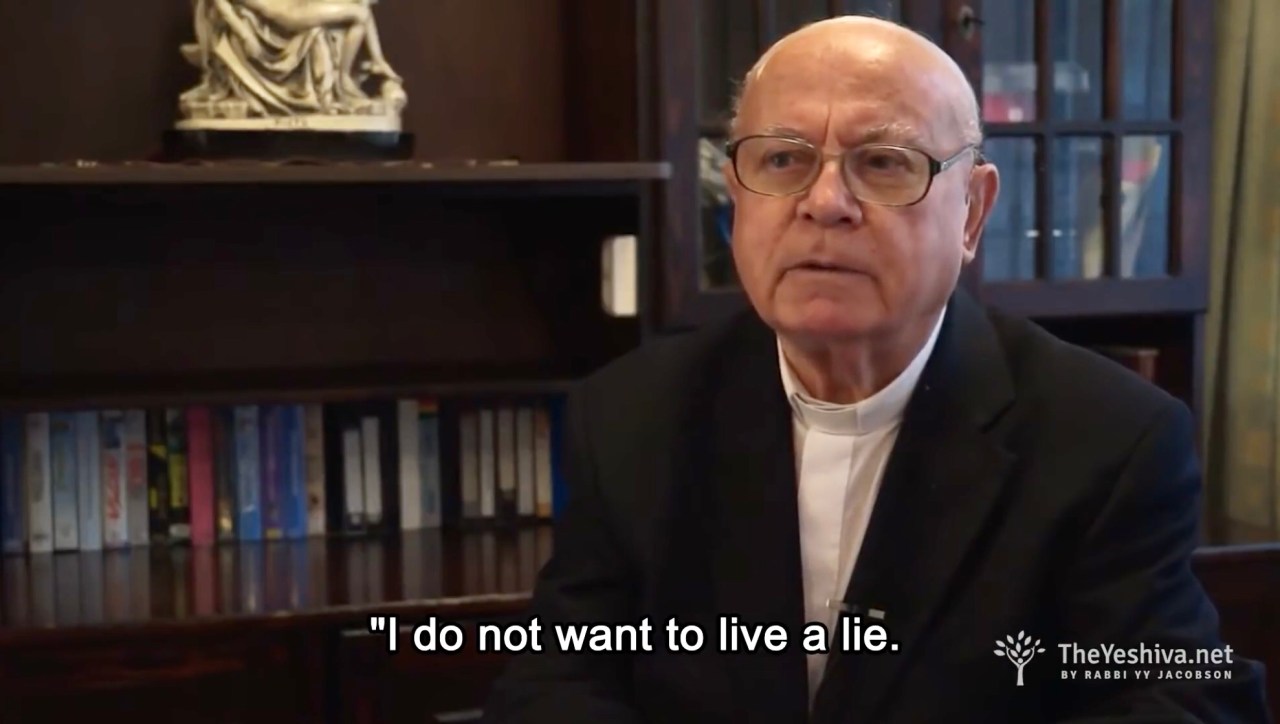
On the Seventh Night of Hanukkah, Rabbi YY Jacobson released this video telling the dramatic story of a Jew who survived the Holocaust, became a Catholic priest, and sought to receive a Jewish burial alongside his parents’ graves in Poland.
I have shared this story many times today and gotten a wide range of reactions from friends about it.
The wisest comment, in my view, came from a friend who said, “One has to be somehow ‘living in the hyphen’ to appreciate such a story.”
Instead, the story of “the complexity of a soul” (as Rabbi YY Jacobson puts it) demands a certain openness and receptivity in order to be touched by it. Such complexity may unsettle many of us but we can take comfort in knowing that none of our souls are too complex for God.
Grasping and Releasing Life
On two distinct occasions this past week, I have heard references to a Jewish text (the source of which is still a bit unclear to me) that presents a striking image juxtaposing how we enter the world and how we leave it.
Here’s the excerpt:
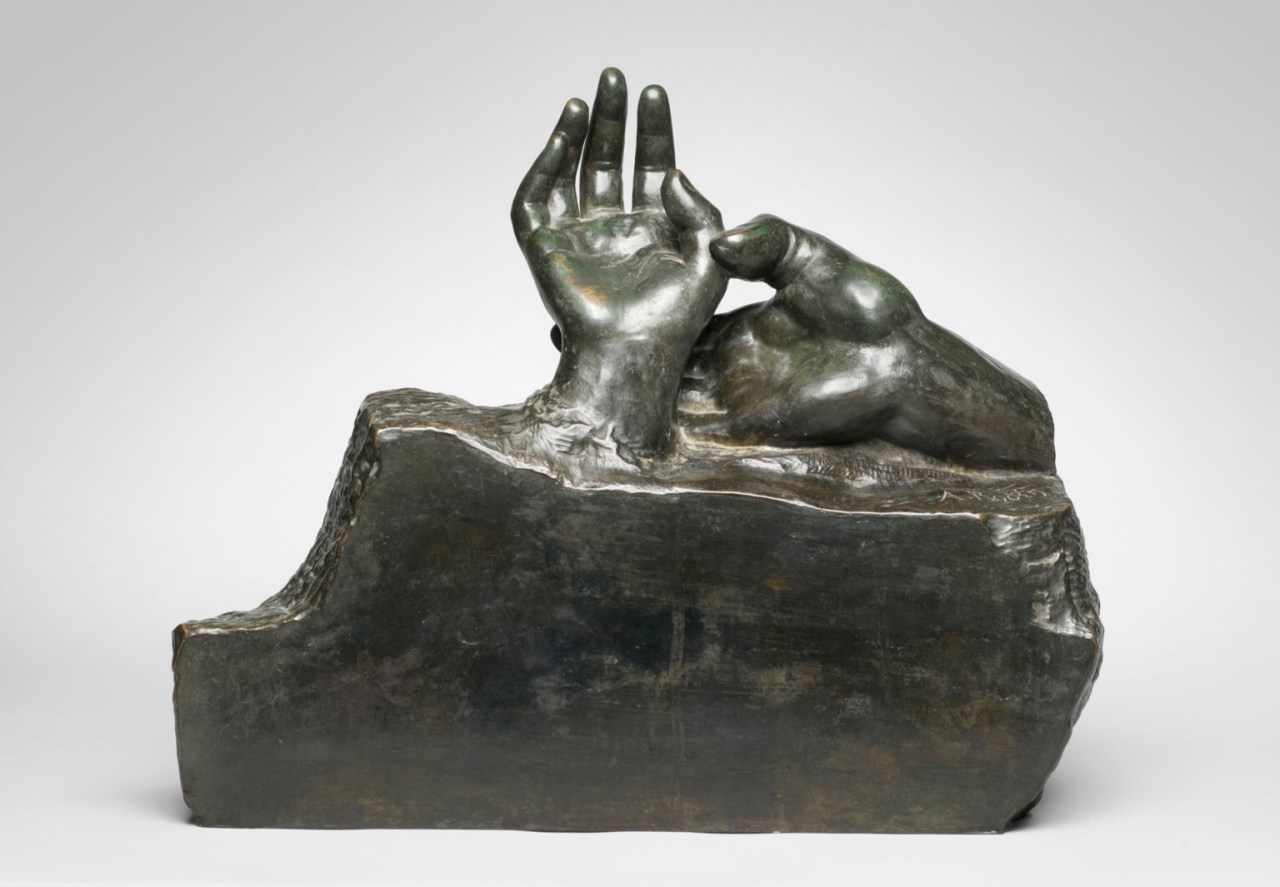
All those coming to this world, come in crying and depart the world crying. They come in voices and depart with voices. They arrive from secretion and decay and return to secretion and decay. They come in from darkness and return to darkness. They arrive from within towards the outside and when they depart it is also from one place towards the outside. They come from a place where no living being can see to a place that no one will ever see. They come from a place of impurity and return to a place of impurity. They come naked and depart naked. And so Job said: naked have I come from the womb of my mother and naked will I come back there. But they come with hand clenched together but depart with open hands as a newborn baby always comes to this world with his fist closed as if to say, all this world is for me to take possession, but when one dies, his hands are always open as if to say: I have nothing in this world. They arrive with kindness and compassion and depart with kindness and compassion. They arrive with no desire of their own and depart with no desire of their own. They come because of love and they depart with love.
What a beautiful meditation on the journey of life.
May all our lives be an opening of our hands and hearts in generosity until we return to God in love.