“Your lessons are hard, oh God, let me be your good and patient pupil. I feel that I am one of many heirs to a great spiritual heritage. I shall be its faithful guardian.” – Etty Hillesum, killed in Auschwtiz on November 30, 1943
Today I am reflecting on the transformative impact of encountering misery – past or present – to discerning one’s path in life.
Confrontations with grave moral evils and injustices can be decisive turning points in a person’s life when he or she becomes summoned to personal responsibility with a sense of mission.

Creaturely Sovereignty
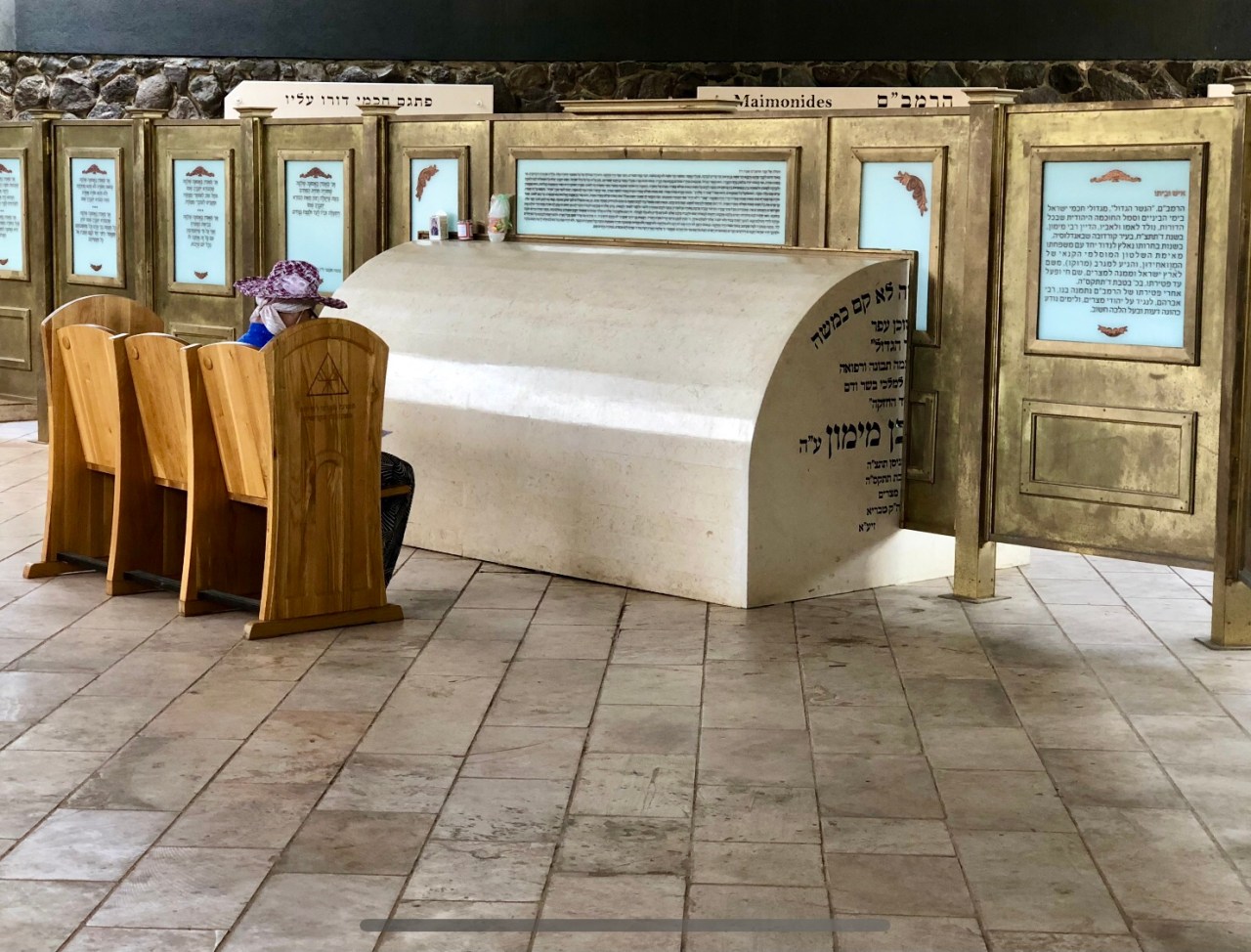
Today I came upon the Oath of Maimonides. Here is the short text written by the preeminent rabbi, physician, and philosopher of the medieval period:
Continue readingThe eternal providence has appointed me to watch over the life and health of Thy creatures. May the love for my art actuate me at all time; may neither avarice nor miserliness, nor thirst for glory or for a great reputation engage my mind; for the enemies of truth and philanthropy could easily deceive me and make me forgetful of my lofty aim of doing good to Thy children.
May I never see in the patient anything but a fellow creature in pain.
Grant me the strength, time and opportunity always to correct what I have acquired, always to extend its domain; for knowledge is immense and the spirit of man can extend indefinitely to enrich itself daily with new requirements.
Today he can discover his errors of yesterday and tomorrow he can obtain a new light on what he thinks himself sure of today. Oh, God, Thou has appointed me to watch over the life and death of Thy creatures; here am I ready for my vocation and now I turn unto my calling.
In solidarity with the sufferers
In his book, Patience with God: The Story of Zacchaeus Continuing In Us, Tomáš Halík has an intriguing chapter on Thérèse of Lisieux. In it, I read many things I hadn’t known about her and gained a completely novel perspective on her value.
Here are some selected excerpts:
“You must change your life.”
Rilke’s poem “The Archaic Torso of Apollo” ends with the famous lines, “[…] for here there is no place
that does not see you. You must change your life.”
This speaks to the way that we are admonished and summoned by an encounter with beauty and order.
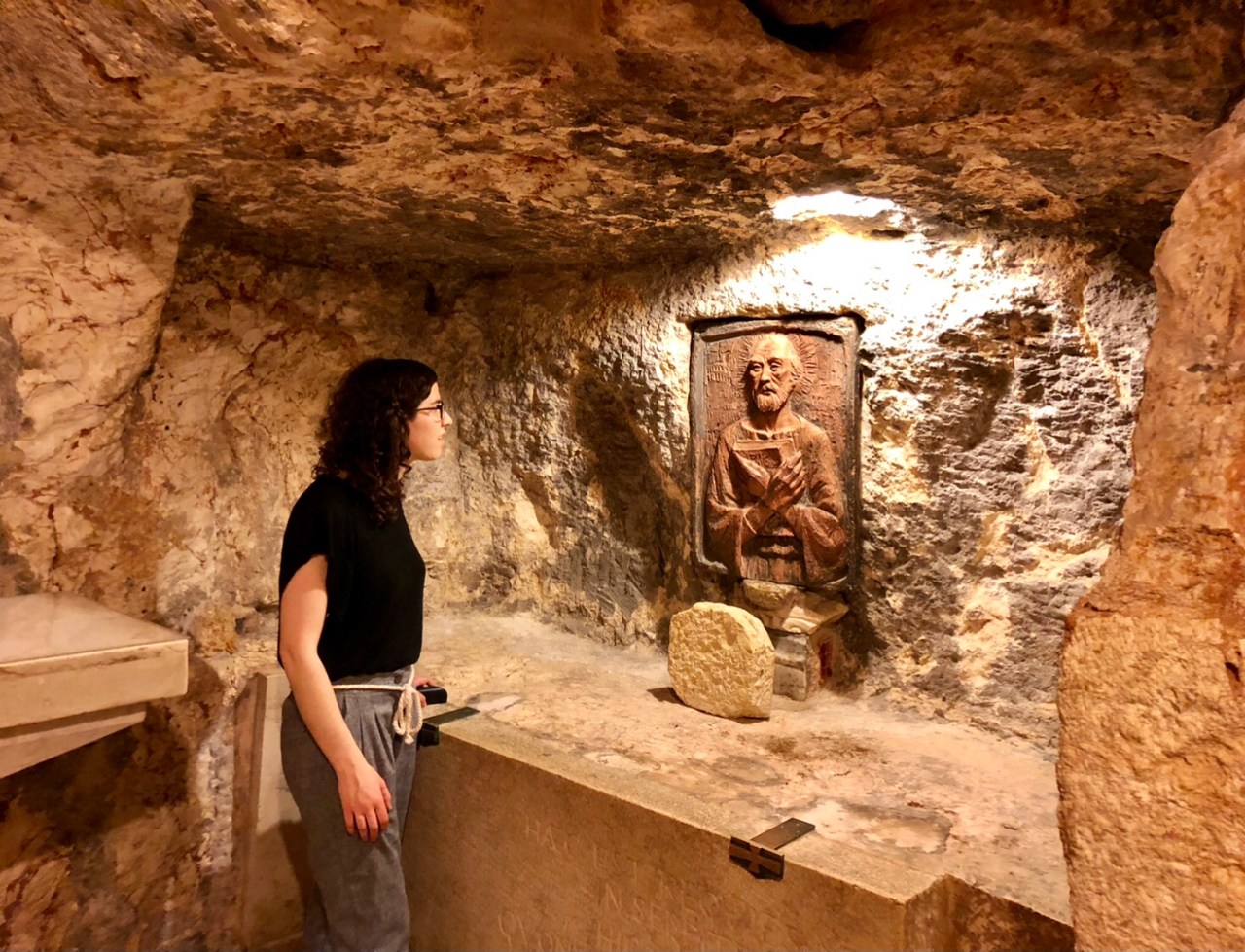
On this feast of St. Jerome, I was re-reading Pope Francis’ Apostolic Letter on the Anniversary of the Death of St. Jerome which was published last year.
Conversion as another life
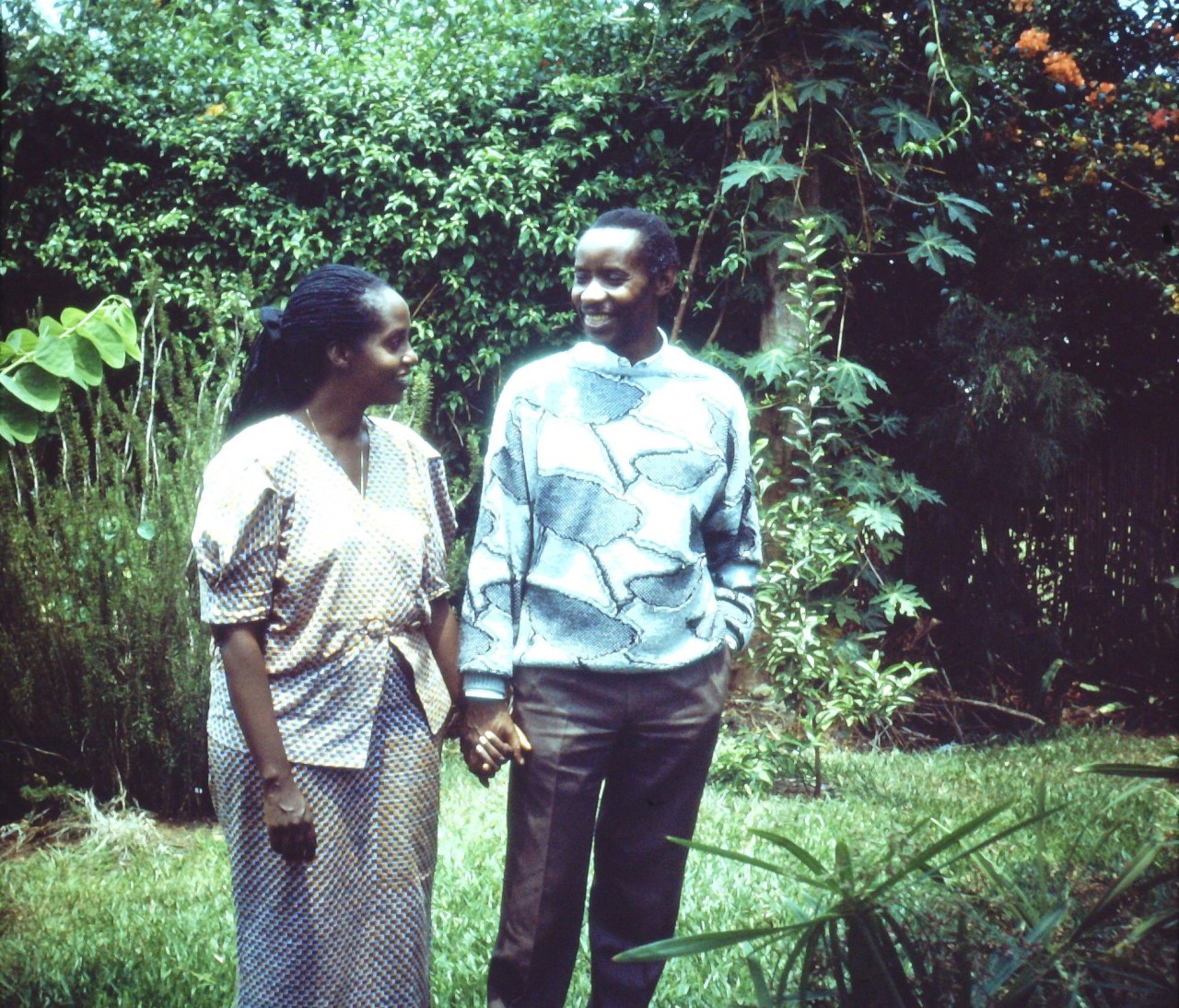
This is a quick post to direct you to the story of Cyprien and Daphrose Rugumba, a Rwandan couple whose cause for canonization is underway.
This article in The Pillar tells the story of how Daphrose was a faithful Christian who raised her ten children in the faith despite her husband’s infidelity and the mockery he made of her witness and convictions.
As reported in aforementioned the article and also by the Emmanuel Community of which the couple eventually became members and founders of the Rwandan branch:
Neither cynical nor naive
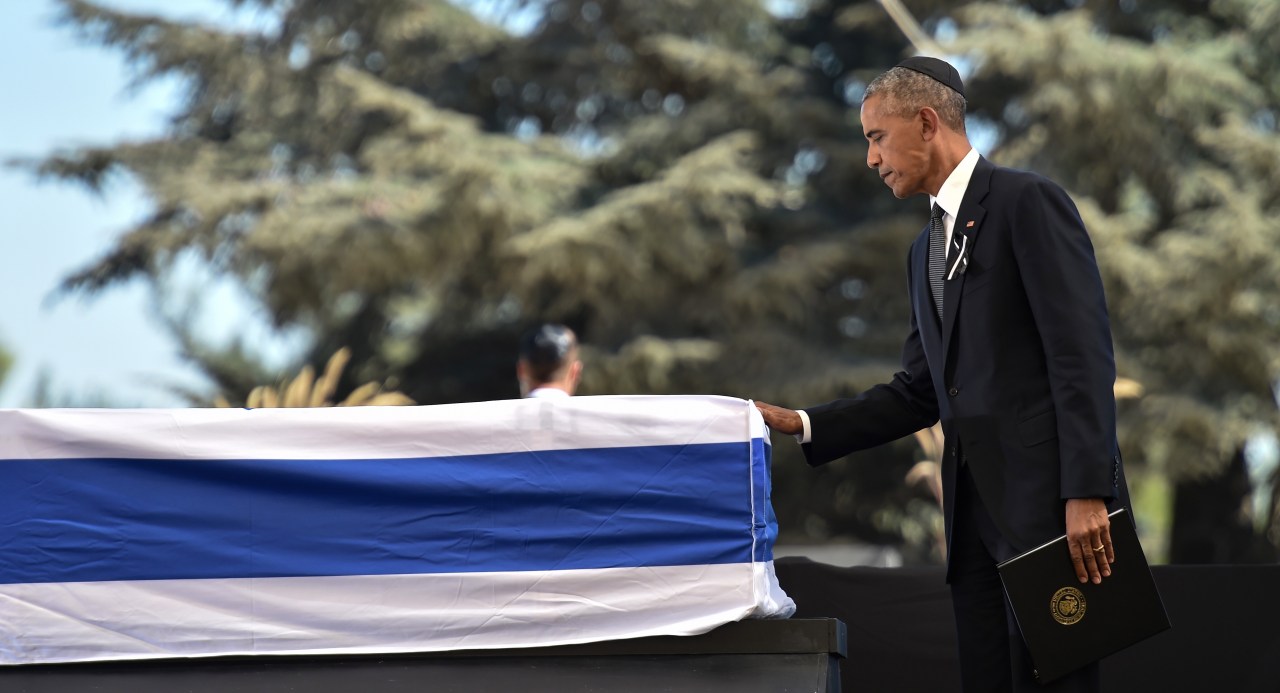
It’s been five years since the death of Shimon Peres on September 28, 2016. Today was my first time watching the address that Barack Obama delivered at his funeral.
It is a remarkable eulogy, and it is hard for me to think of other statesmen or leaders about whom such a tribute has or could be given.
Below is the full speech on Youtube and here is the link to the transcript:
Prophetic Cutlery
Growing up, my mom used to tell me stories of people who asked to be buried with a dessert fork to testify to their conviction that the best was yet to come because eternal life will be sweeter.
The other day, dining in my student residence, a Brazilian student delightedly noticed a dessert spoon set above his plate and exclaimed, “Ah, a prophet!”
Now, I had never before heard someone refer to their cutlery as prophetic, but it made quite a lot of sense.
Unique and unrepeatable
I was always intuitively and viscerally upset whenever women who had suffered miscarriages would lament well-intentioned people having attempted to console them with the words, “You can try again.”
Like Job’s “friends”, such people unfortunately misunderstood the nature of the situation so profoundly as to be unable to offer a meaningful response to those suffering this loss.
Having understood it intuitively, I also wanted to try to understand as rationally as possible why saying, “You can try again” is so inappropriate.
That is when I came upon this compelling paragraph by bioethicist Robert Spaemann who tackles various intellectual positions that would seek to eject members from the human family.
He says:
Deserving Tomorrow
This evening I came upon this quotation attributed to Rabbi Nachman of Breslov:
“If you are not going to be any better tomorrow than you were today, then what need have you for tomorrow?”
That is a serious provocation to self-examination and personal responsibility.
What have I done to deserve tomorrow?
Tomorrow is a gift I cannot merit, but what would it look like to try to become more worthy of it?
What difference would it make, every night, to create new day’s resolutions?
“The Saint Makes the Difference”
The other day I asked a visiting priest responsible for Catholic higher education to speak to us about the most influential teachers in his life.
To this, he immediately responded that he has had many teachers throughout the course of his life who were alright but rather unremarkable. He noted that he thinks this is the case for most people. But, he insisted, there are, of course, those one or two teachers who stand out and whose influence upon you is something you will remember and cherish for your entire life.
As he said this, it was clear that he was conjuring up his own recollections of these special and extraordinary teachers. Gradually, he told us a few anecdotes about them.
Then, he encouraged us not to expect every teacher to be extraordinary but insisted that we do establish the hope of encountering at least some of them who are truly excellent.
“Given the choice between 5,000 decent but mediocre and lukewarm people or 4,999 heretics and one shining saint, I would definitely choose the heretics and the saint,” this priest said. “The saint makes the difference.”