If you’re free to prepare for dying before it’s happening…

This is my 336th post about death and dying on this blog. And I am now into the final month of this yearlong project.

I am amazed and grateful that I get to contemplate dying so intentionally and comfortably before it is happening. I know that I will not always be up for this work.

Some friends of mine, while they have been hospitalized or sick, have testified to me that it is not possible for them to read and think about death under such circumstances. It seems too raw and too sad.

This makes sense.

We have investment accounts and retirement savings so that we do not need to think and worry too much about money later in life.

It seems worthwhile to store away reflection on the last things and to build an accounting of what matters ultimately when we are young and healthy so that we do not need to worry about this so much when we are sick or dying.

Fraternity on the Periphery

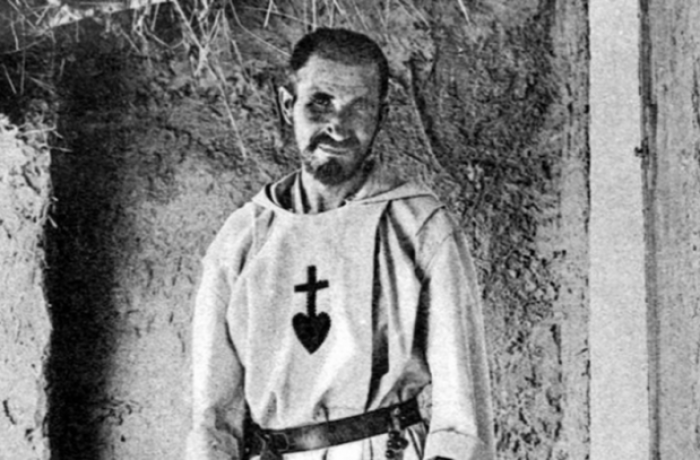
A dear friend of mine who has spent the past two years living in Nazareth introduced me to the story of Blessed Charles de Foucauld. Somehow I had never heard his story before or, at least, it hadn’t caught my attention.

The Vatican’s very short summary of him is this:

Blessed Charles de Foucauld, born in 1858, was a French aristocrat and religious, whose work and writings led to the founding of the Congregation of the Little Brothers of Jesus. During his adventurous life, he was a Cavalry Officer in the French Army, and then an explorer and geographer before becoming a Catholic priest and hermit who lived among the Tuareg in Algeria’s Sahara Desert. He lived a life of prayer, meditation and adoration, in the incessant desire to be, for each person, a “universal brother”, a living image of the love of Jesus. On the evening of December 1, 1916, he was killed by bandits.

Continue reading

My Best Historical Friend

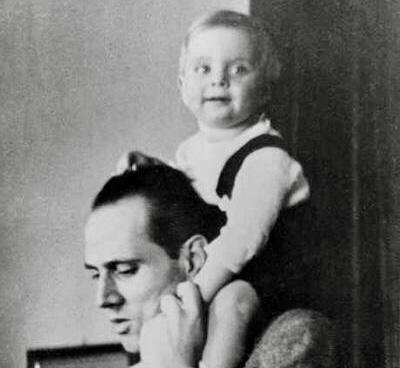
On November 30th, my best historical friend, Etty Hillesum, perished in Auschwitz.

If you have never made friends with someone in a book, your life is incomplete.

Etty used to say this of Rilke and now I say it of her: “[S]he inhabits my life.”

Between the ages of 27-29, Etty, a Dutch Jew, kept a diary through which she demonstrated her incredible openness to reality and profound spiritual audacity.

Continue reading

Banish the Darkness

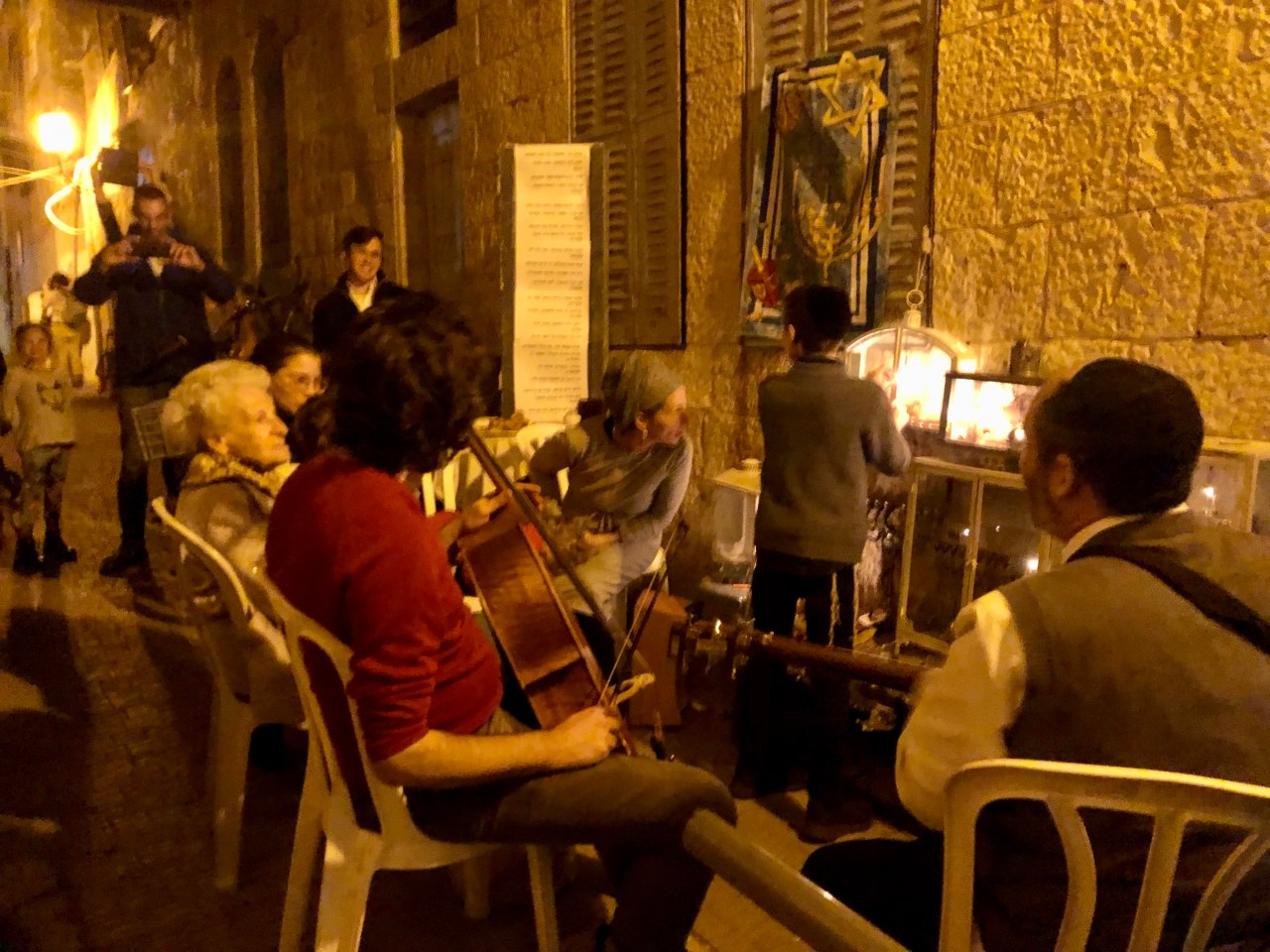
On the First Night of Hanukkah this year, I had the great joy of being Jerusalem and, more specifically, in the vibrant neighbourhood of Nachlaot.

I joined some friends outdoors, warm beverages in hand, and we sat outdoors enjoying the light of the hanukkiah. Throughout Jerusalem, there is a big emphasis on publicizing the miracle of Hanukkah, as has always been the aim but as has not always been the possibility on the holiday.

After some time, we began a stroll throughout the neighbourhood. Every few doors, we came upon families lighting their hanukkiot, saying the blessings, singing songs and playing instruments, serving soup and latkes to their neighbours, and enjoying being in the Jewish homeland.

Continue reading

“He died in the fullness of years.”

Yad Vashem, the World Holocaust Remembrance Center, has recognized 27,921 Righteous Among the Nations. That’s the number of non-Jews who risked their lives to help and save Jews during the Holocaust that Yad Vashem has been able to ascertain with evidence.

These are remarkable stories of personal risk, self-sacrifice, living in truth, fidelity to conscience, charity toward neighbour, and the unshakable determination to live honourably in the sight of God.

Consider that number: 27,921. If you learned the story of one Righteous Among the Nations each day, it would take you 76 years.

Continue reading

The Dynamism of Nomadic Existence

The other day, my professor shared this striking and evocative quotation by Maurice Blanchot, who was good friends with Levinas. (Levinas described him as “a man without opportunism, that’s the moral touch with him.)

Here’s the quotation:

What does it mean to be Jewish? Why does it exist? It exists so that the idea of the road as a just movement exists; it exists so that in and through the road the experience of strangeness asserts itself to us in an irreducible relationship; it exists so that, through the authority of this experience, we learn to speak. To be a “man of the road” is at all times to be ready to set out on the road, a demand for uprooting, an affirmation of nomadic truth. Thus the Jewish being is opposed to the pagan being. To be a pagan is to be fixed, to be rooted to the ground in a way, to establish oneself by a pact with the permanence which authorises the stay and which is certified by the certainty of the ground. The journey, nomadism, responds to a relationship that possession does not satisfy. To set out on the road, to be on the road, is already the meaning of the words heard by Abraham: “Go away from your native place, from your kinship, from your home”.

Continue reading

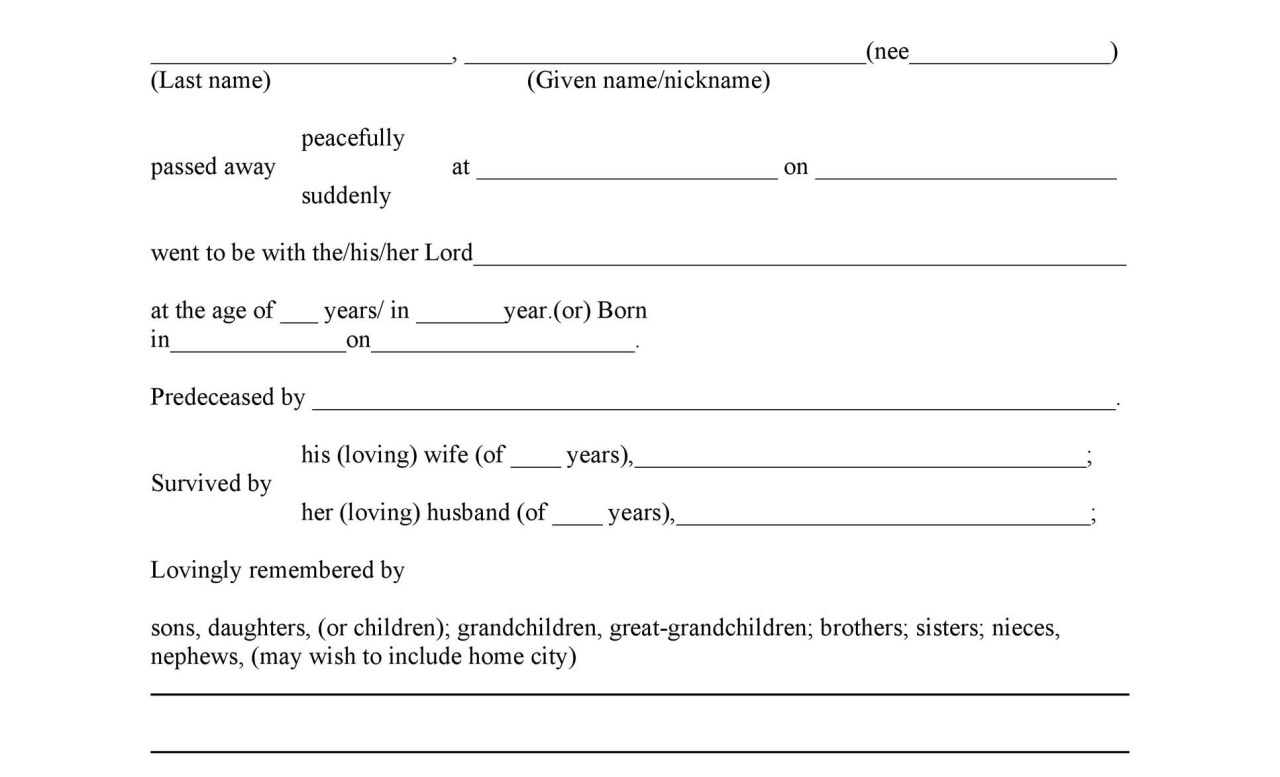
If I Wrote Obituaries of the Living, Would I Be Kinder to Them?

When I used to get physical newspapers like The Calgary Herald and The National Post in the morning, I used to read the obituaries quite attentively and with interest.

There was something grounding about reading those as a busy student or young professional. It helped me to contemplate what is most essential in life.

Years later, I started to ask myself: If I wrote obituaries of the living, would I be kinder to them?

Continue reading

A Beautiful Last Christmas

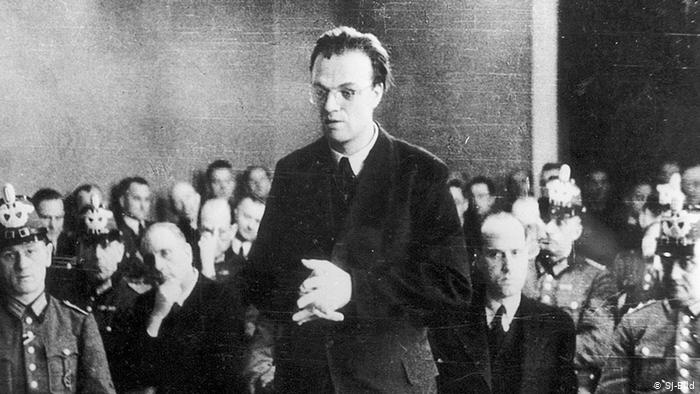
The German Jesuit priest Fr. Alfred Delp had just enough time to scribble a letter on December 22, 1944 before being handcuffed again. He was executed by the Nazis less than two months later.

Here’s an excerpt of what he wrote:

Continue reading

Remember when you suffered most

Pope Francis has a lot of countercultural recommendations and one upon which I came the other day is to remember the times that we have suffered most.

Usually, we want to forget the times we’ve suffered. Maybe we consoled ourselves in the midst of some trial saying, “This too shall pass.” And, once it has passed, we’re happy to move on from it.

But Pope Francis says, “I believe that in this time of the pandemic it is good for us to remember even of the times we have suffered the most: not to make us sad, but so as not to forget, and to guide us in our choices in the light of a very recent past.”

Continue reading