In the Days of Your Youth

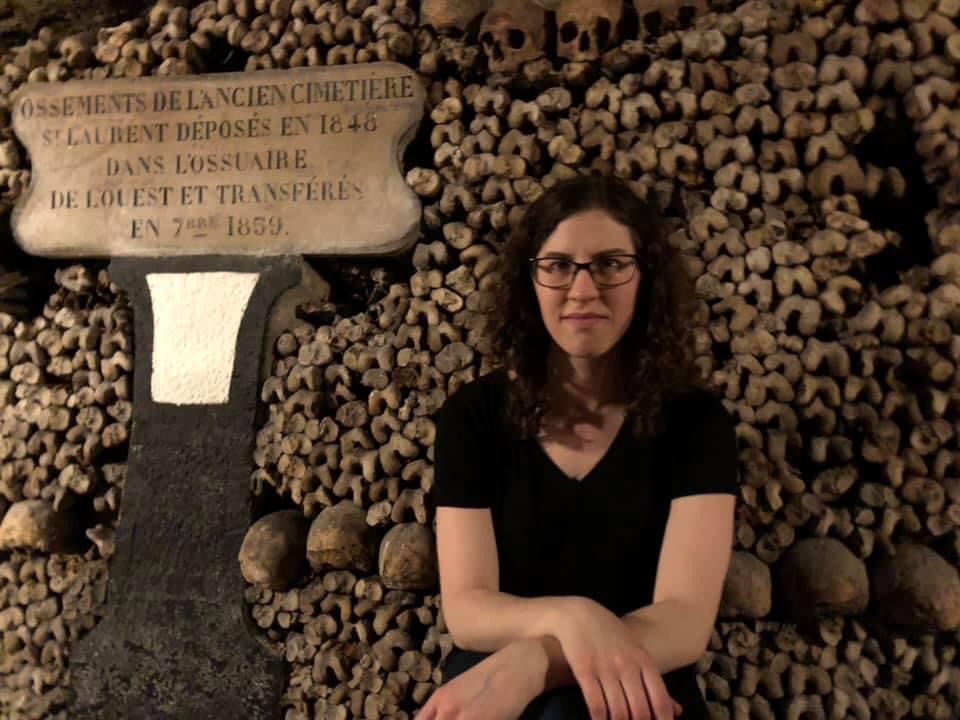
On this date two years ago, I was running through the Paris Catacombs – running because they were about to close and it would not have been an opportune place to be locked in for the night.

If you’re curious about the Paris Catacombs and if reading Atlas Obscura won’t make you too nostalgic for travel, here’s some info:

Continue reading

A Child’s Right to Die

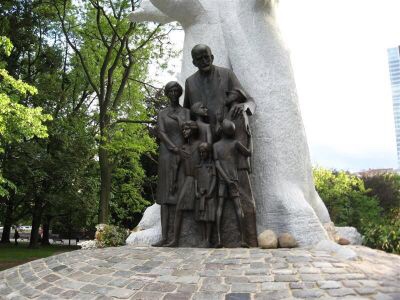
Janusz Korczak is a name I wish everyone could know. A Polish Jewish author, pedagogue, and orphanage director, he refused offers for his own safety during the Second World War and was deported, along with all of the children of the orphanage, to the Nazi death camp Treblinka where he and they were killed in 1942.

Over the years, I have come upon monuments commemorating Korczak and the children at Treblinka, in Warsaw, and at Yad Vashem in Israel.

Continue reading

What Care for the Elderly Really Costs Us

In Henri Nouwen’s book Aging: The Fulfillment of Life, he tells this anecdote:

Not too long ago a thirty-two-year-old, good-looking, intelligent man, full of desire to live a creative life, was asked: “Jim, what are your plans for the future?” And when he answered: I want to work with the elderly and I am reading and studying to make myself ready for that task,” they looked at him with amazement and puzzlement. Someone said, “But Jim, don’t you have anything else to do?” Another suggested, “Why don’t you work with the young? You’ll really be great with them.” Another excused him more or less, saying: “Well, I guess you have a problem which prevents you from pursuing your own career.” Reflecting on these responses, Jim said: “Some people make me feel as if I have become interested in a lost cause, but I wonder if my interest and concern do not touch off in others a fear they are not ready to confront, the fear of becoming an old stranger themselves.”

Commenting on this, Nouwen expounds, “Thus care for the elderly means, first of all, to make ourselves available to the experience of becoming old.” And, in another place he asks, “How can we be fully present to the elderly when we are hiding from our own aging? How can we listen to their pains when their stories open wounds in us that we are trying to cover up?”

Continue reading

Rabbi Bulka is a Role Model in How to Suffer

It would be understandable if, upon receiving a cancer diagnosis, a person were to retreat, to withdraw.

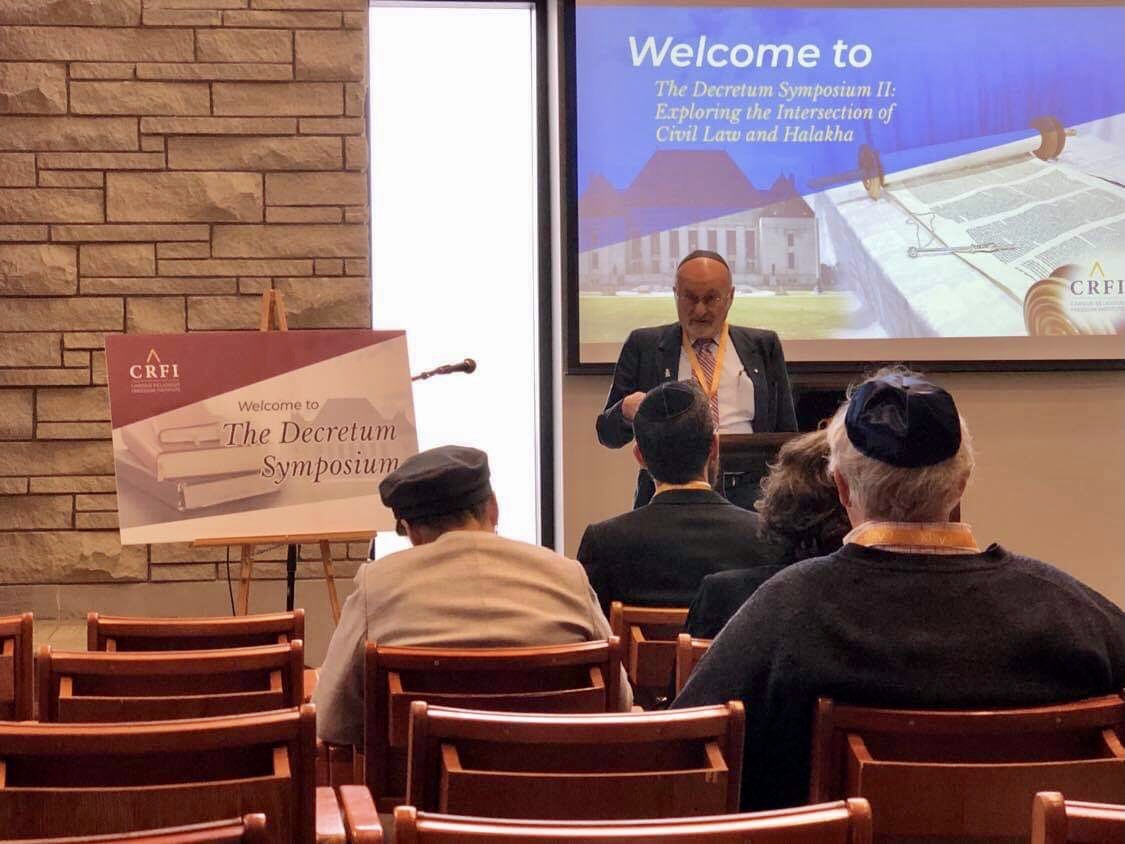
But that’s not Rabbi Dr. Reuven Bulka’s way. Instead, as ever, he continues to show leadership, to give example, and, above all, to generously go outside of himself for the good of others.

It seems that every time there is a tragedy or crisis, particularly in which his community or he himself is implicated, Rabbi Bulka has something to say with humility, sincerity, and gratitude.

Continue reading

Before Praying, Man Should Prepare to Die

Lately I have been reading Martin Buber’s Tales of the Hasidim. In his Introduction, Buber discusses how “the core of hasidic teachings is the concept of a life of fervour, of exalted joy” and that “The world in which you live, just as it is and not otherwise affords you that association with God, which will redeem you and whatever divine aspect of the world you have been entrusted with.”

Continue reading

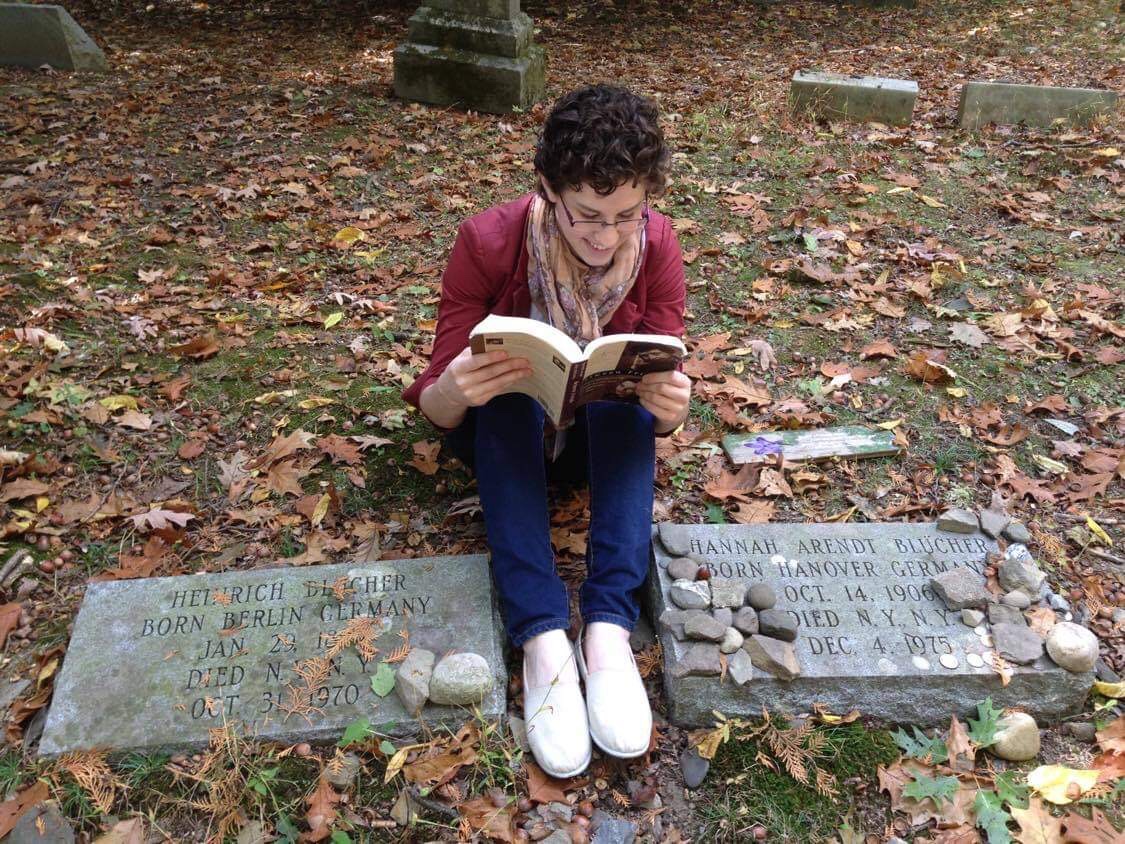
You-Are-There-Reading At A Grave

In Anne Fadiman’s book Ex Libris, she has a chapter in which she explores the delights of what she calls You-Are-There-Reading experiences.

I’ve never equaled the sensory verisimilitude of my friend Adam, who once read the ninth book of the Odyssey, in Greek, in what is believed to be the Cyclops’s cave, a Sicilian grotto Homerically redolent of sheep turds. But I have read Yeats in Sligo, Isak Dinesen in Kenya, and John Muir in the Sierras. By far my finest You Are There hour, however, was spent reading the journals of John Wesley Powell, the one-armed Civil War veteran who led the first expedition down the Colorado River, while I was camped at Granite Rapids in the bottom of the Grand Canyon.

Ever since reading this, I have sought out my own You-Are-There-Reading experiences around the world. Naturally, some of these experiences have been at gravesites. There is nothing quite like reading poetry or correspondence aloud at a grave.

Continue reading

What We Gain From Loss

The remarkable poet Rainer Maria Rilke wrote more than fourteen thousand letters over the course of his life. A few years ago, an editor published a compilation of selected letters entitled, The Dark Interval: Letters on Loss, Grief, and Transformation.

Here is an excerpt from one of the letters that particularly struck me:

Continue reading

The Room in Which You Die

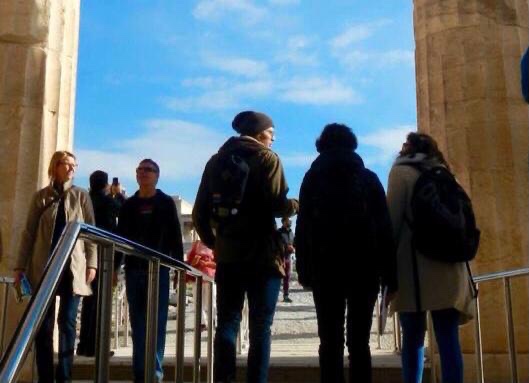
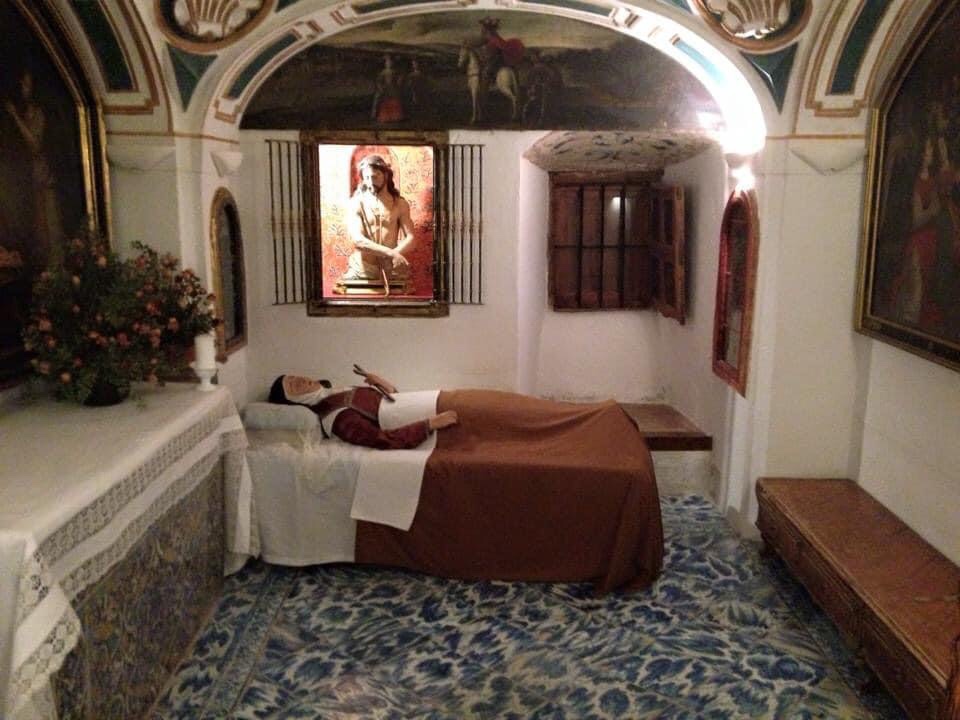
One thing I found interesting while travelling throughout Europe was the various occasions on which I would behold the room in which a notable person had died or, at least, a reproduction of it.

Nowadays, it is so common for people to die in hospitals but just imagine if you died in your own room and then it became a tourist attraction for centuries to come.

Continue reading

A Death Chat Over Wine and Cheese

Years ago, one cold December night, I approached St. Christopher’s Hospice in South London. Through the window, I could see several people getting seated around a table. I went to the main entrance and informed the receptionist that I was here for the Death Chat, and she pointed me toward the room that I had seen through the window.

Those who were there greeted me warmly. A man named Anthony was speaking and it was the opposite of small talk. After a few others had arrived, Kostas, a principal social worker in Social Work, Bereavement, and Welfare, facilitated the introductions.

Continue reading