On this feast day of St. Ignatius of Loyola, I thought I’d quickly scan the Internet to see what came up in connection with Ignatian spirituality and death.
I was pleased to find this 3-minute video in which a young man named Jurell Sison reflects on the death of his grandparents.
Suffering
Suffering is a school in humility
A friend of mine just sent me this article of his, “Cancer is back, so I have a request …”
In it, Charles Lewis discusses his ambivalence about writing and speaking publicly about his illness.
Of course, in reading a column about it, his decision is made clear and obvious.
The first reason he gives for being public about it is because he hopes that others will pray for him.
A second reason he discerns is that he does not want to go through the burden alone or for he and his wife to shoulder it privately.
A third reason, which I found particularly interesting comes up when Lewis concludes, “Besides, why hide it? Would not that be a form of pride?”
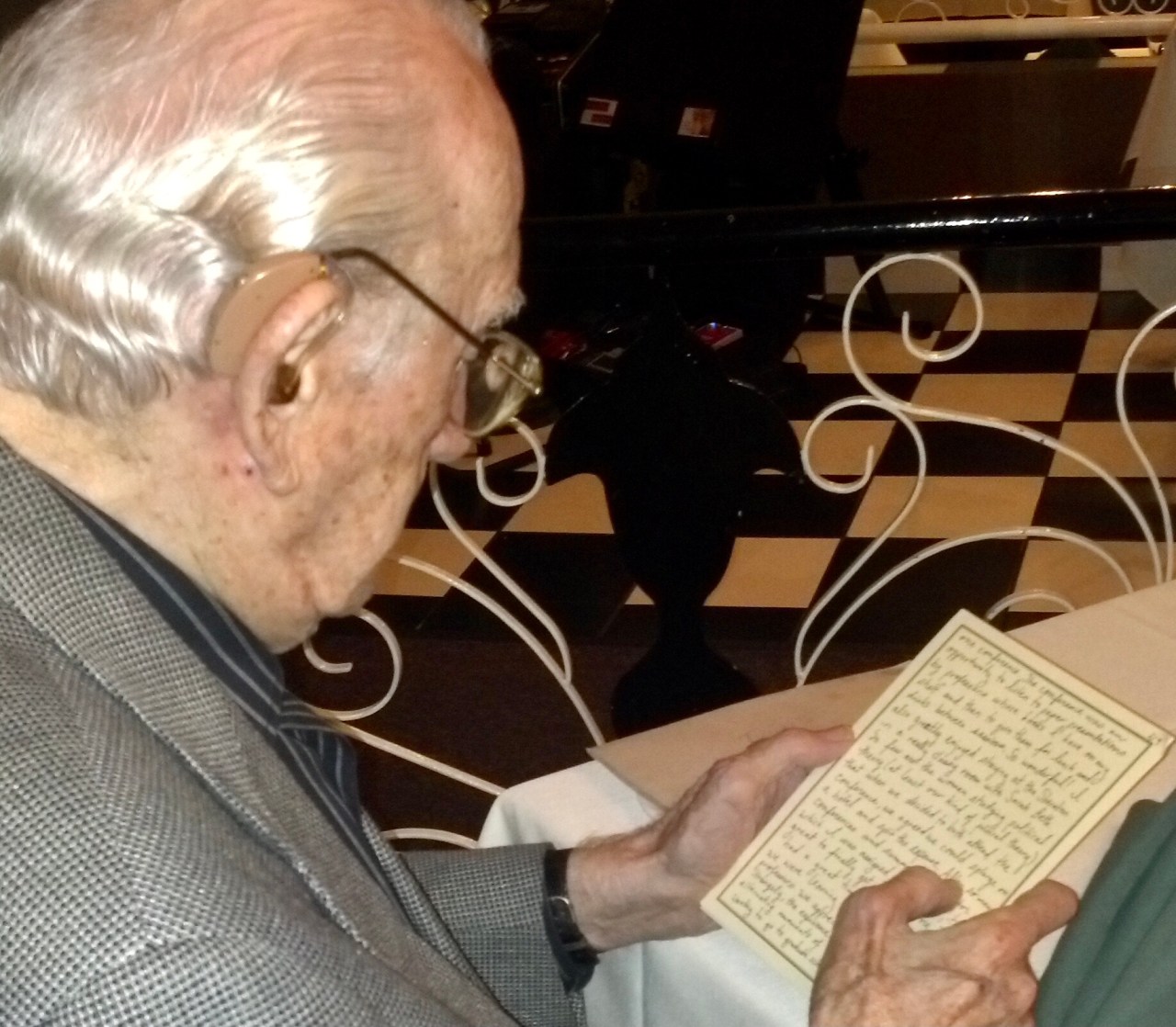
A Final Birthday Card
Around New Year’s 2015, my grandfather had been hospitalized and was in quite severe pain. I visited him in the hospital during the holidays but had left the city by the time his birthday came around a couple weeks later on January 17th. I just came across the following letter that I wrote to him, which ended up being my last birthday card to him. When I had visited him at the beginning of the month, he told me that the pain was so bad that he wished he could die. This was obviously difficult to hear and so, in writing to him, I felt greatly responsible to give him some encouragement.
Here is what I wrote:
“Our lives no longer belong to us alone.”
It was on this date five years ago that Elie Wiesel died.
The Holocaust survivor and Nobel laureate felt a tremendous responsibility to bear witness to all that he and others suffered.
“If I survived, it must be for some reason: I must do something with my life. It is too serious to play games with anymore because in my place someone else could have been saved. And so I speak for that person. On the other hand, I know I cannot,” he told a New York Times interviewer in 1981.
This evening I re-read Wiesel’s brief Nobel Peace Prize acceptance speech from a few years later in 1986.
Things worse than death
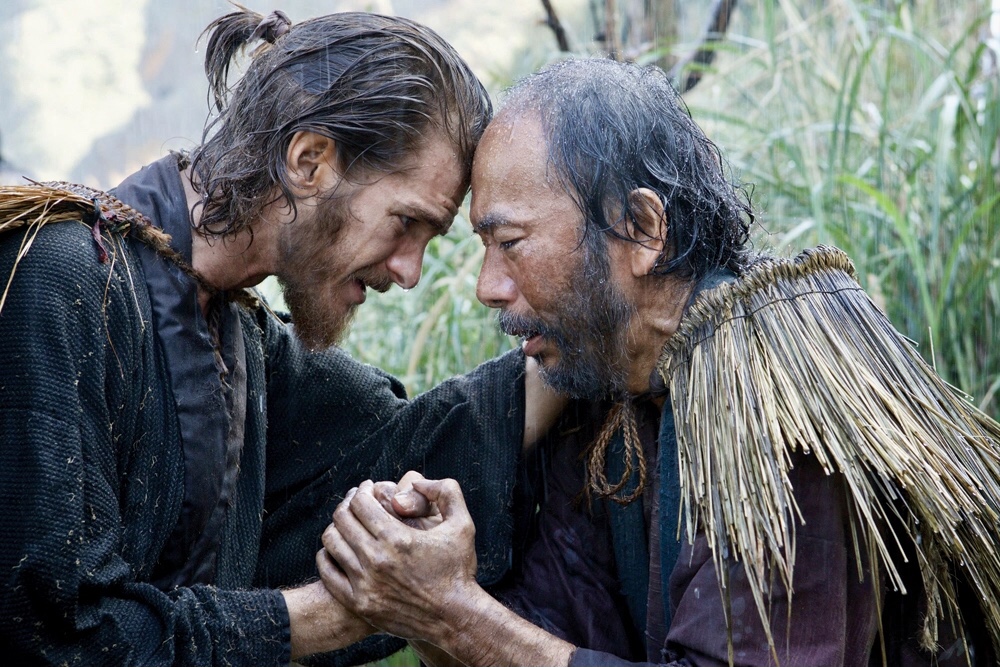
Last night I finally had the opportunity to watch Martin Scorsese’s 2016 film Silence about Jesuit missionaries to Japan during the intense persecution of Christians in the 17th century.
Here’s the trailer for it:
The Legacy of Terry Fox
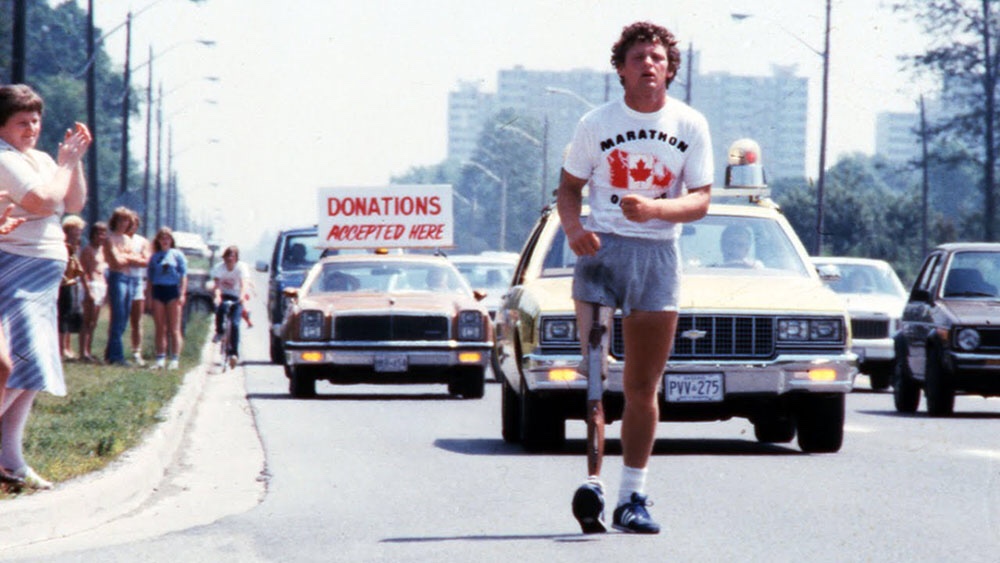
Today is the anniversary of the death of Terry Fox on June 28th, 1981.
One of the most memorable aspects of my early education was learning the story of Terry Fox and participating in the Annual Terry Fox Run in order to raise money and awareness for cancer research.
We would sit on the gym floor in an elementary school-wide assembly and watch either a short film or a longer documentary about the young man who had cancer and attempted to run across Canada from coast to coast on his prosthetic leg.
A Graduation Speech About Deathbed Reflections
This is a really short post to direct you to this excellent commencement address delivered by Ryan T. Anderson.
He titled it, “‘He Knows What He Is About’: Living a Life That Matters”, which is derived from one of the most splendid quotations of John Henry Newman that Dr. Anderson quotes at the outset and on which my friends and I have been reflecting a lot in recent days.
Particularly of relevance to the theme of this blog, I was struck by how Dr. Anderson exhorted the high schoolers on multiple occasions throughout the address to contemplate the thoughts they might have on their deathbeds as a key to discerning how to live a life that matters.
Below are three short excerpts:
Suffering in the Spotlight
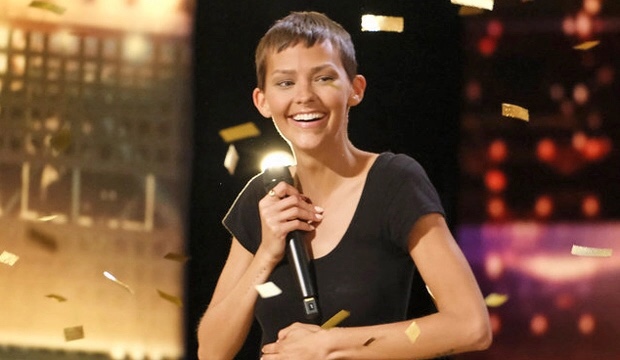
I have been captivated by a recent audition on America’s Got Talent.
It is worth every second of your next seven and a half minutes to watch it, here:
Since watching Nightbirde’s audition a few times, I have also watched a couple interviews that she has given in recent days, checked out these podcasts between her and Virginia Dixon, and perused some of her blog posts.
Continue readingHe knew how to suffer
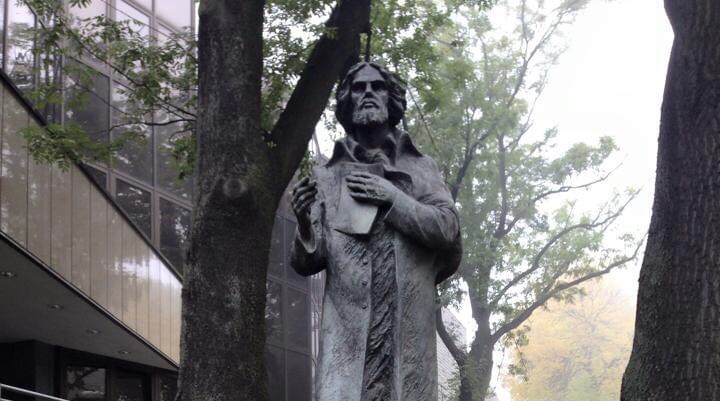
Today is the anniversary of the death of a Polish poet named Cyprian Kamil Norwid.
Unfortunately, Janusz Korczak was right when he said, “The world is deaf to the names of many great Poles.”
I first learned about Norwid through reading texts and addresses by John Paul II since the pope quoted him often. Then, when I moved to Lublin, I found more traces of Norwid – from schools bearing his name, to collections of his works in bookstores, to the statue of him on the university campus.
It was during an address in 2001 that Pope John Paul II told representatives of the Institute of Polish National Patrimony: “I honestly wanted to offer my personal debt of gratitude to the poet, with whose work I have been bound by a deep spiritual kinship since my secondary school years.”
He went on to acknowledge that, “Norwid’s poetry was born from the travail of his difficult life.”
I Want What You Have Lived And Suffered
Among my hobbies these days is attending a bioethics book club every two weeks on O. Carter Snead’s new book What It Means to Be Human: The Case for the Body in Public Bioethics. The book is about how the dominant view in our time of persons as expressive individualists contradicts the lived experience of our embodied reality. Snead analyzes why we go astray in our public bioethics when we do not account for the realities of vulnerability and mutual dependence in and throughout our lives.
Most recently the study group finished reading the chapter on Death and Dying. In it, Snead notes: “By far the most common rationales cited for seeking assisted suicide were concerns about ‘losing autonomy’ (92 percent) and being ‘less able to engage in activities making life enjoyable’ (91 percent).”
Since there are many reasons why we can lose autonomy and the ability to engage in activities that make life enjoyable, it is worth scrutinizing these ideas of “freedom” – the loss of which risks rendering life seemingly not worth living.
I am reminded of Russian filmmaker Andrey Tarkovsky’s reflections. In Sculpting in Time, he says: “And the longer I lived in the West the more curious and equivocal freedom seems to me. Freedom to take drugs? To kill? To commit suicide?”
He goes on: