Thou shalt not kill a book

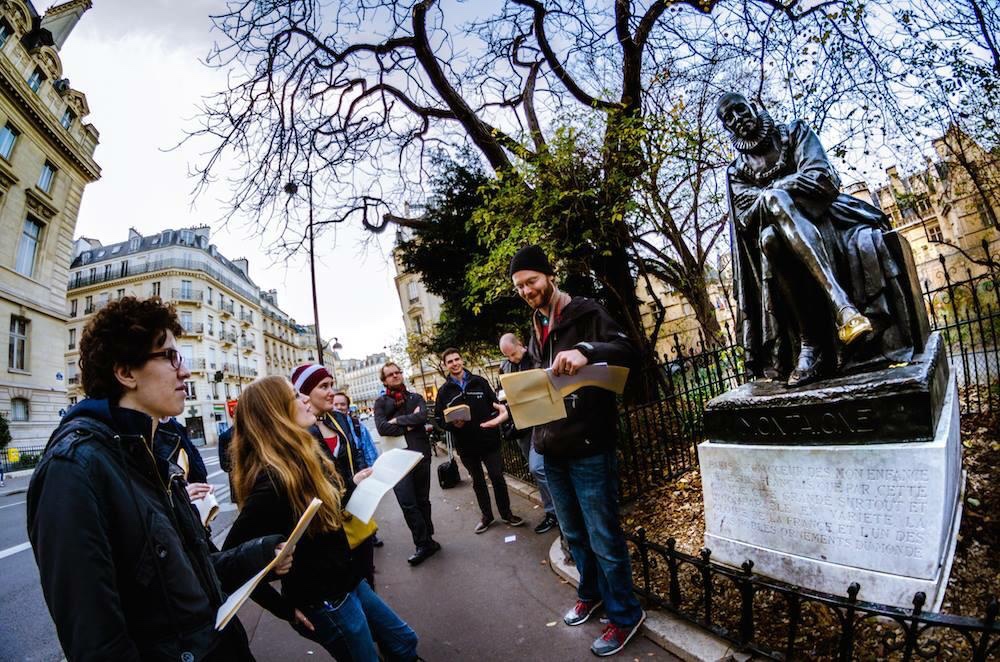
This evening I’m thinking about these passages from Areopagitica, John Milton’s defense of freedom of speech against the restrictions of his day:

[…] for books are not absolutely dead things, but do contain a potency of life in them to be as active as that soul was whose progeny they are; nay, they do preserve as in a vial the purest efficacy and extraction of that living intellect that bred them. I know they are as lively, and as vigorously productive, as those fabulous dragon’s teeth: and being sown up and down, may chance to spring up armed men. And yet, on the other hand, unless wariness be used, as good almost kill a man as kill a good book: who kills a man kills a reasonable creature, God’s image; but he who destroys a good book, kills reason itself, kills the image of God, as it were, in the eye.

[…]

We should be wary, therefore, what persecution we raise against the living labours of public men, how we spill that seasoned life of man preserved and stored up in books; since we see a kind of homicide may be thus committed, sometimes a martyrdom; and if it extend to the whole impression, a kind of massacre, whereof the execution ends not in the slaying of an elemental life, but strikes at that ethereal and fifth essence, the breath of reason itself; slays an immortality rather than a life.

Why are these excerpts coming back to me tonight?

Three years ago on this date, I was attending an event hosted by the Montreal Press Club with keynote speaker Dr. Jordan Peterson to honour the inaugural “Freedom Award” recipient Raif Badawi.
Continue reading

Marking Time: Do you remember where you were when… ?

“So teach us to number our days
that we may gain a wise heart.”
– Psalm 90:12

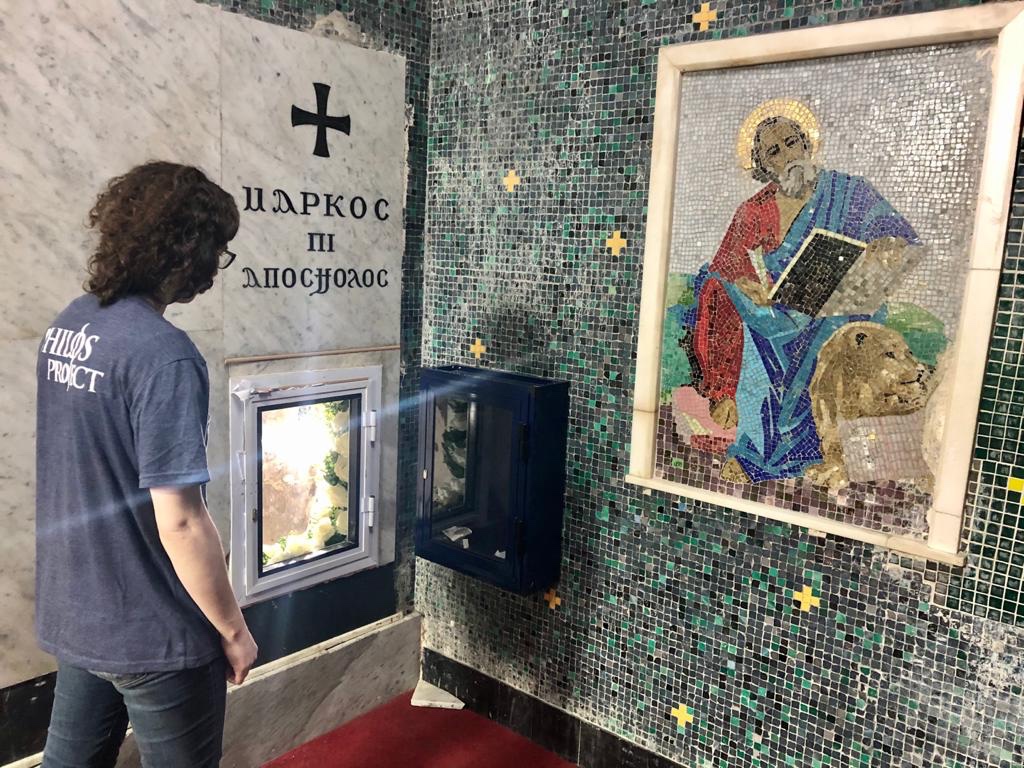
I remember seeing the news of Palm Sunday church bombings in Egypt on my phone while I was in Poland.

I had not been to Egypt before but of course the photos gripped me.

That was a year that the Western and Orthodox calendars synced up and so Christians worldwide were commemorating on the same day Jesus’ triumphal entrance into Jerusalem before his Passion.

That suicide bombers charged into two Alexandria churches on this date and in this way indicates that their intent was to wreak not only destruction but desecration.

What was the impact of looking at the those photos on my phone in a small Polish church?

Continue reading

When genocide concerns you

Today is Armenian Genocide Remembrance Day and I’ve been reading through Ambassador Morgenthau’s Story: A Personal Account of the Armenian Genocide while eating some Armenian snacks from my Ararat Box.

Genocide is a weighty word and the recognition of it implies our moral responsibility not to be bystanders to the egregious evils of which we admit being aware.

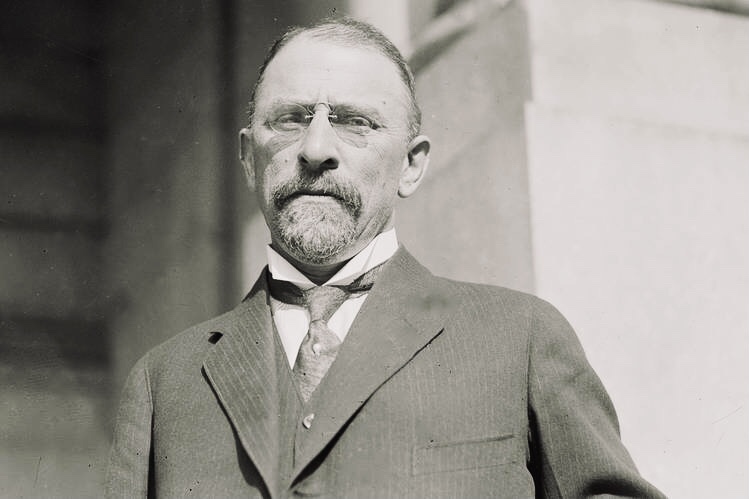
During the First World War, Henry Morgenthau, a German-born Jewish American was serving as the the fourth 4th US Ambassador to the Ottoman Empire.

As ambassador, he did his utmost to try to reason with the Ottoman authorities, to stop the genocide, and to implore the U.S. government on behalf of the Armenians, Greeks, and Assyrians who were being persecuted and massacred.

Continue reading

I Want What You Have Lived And Suffered

Among my hobbies these days is attending a bioethics book club every two weeks on O. Carter Snead’s new book What It Means to Be Human: The Case for the Body in Public Bioethics. The book is about how the dominant view in our time of persons as expressive individualists contradicts the lived experience of our embodied reality. Snead analyzes why we go astray in our public bioethics when we do not account for the realities of vulnerability and mutual dependence in and throughout our lives.

Most recently the study group finished reading the chapter on Death and Dying. In it, Snead notes: “By far the most common rationales cited for seeking assisted suicide were concerns about ‘losing autonomy’ (92 percent) and being ‘less able to engage in activities making life enjoyable’ (91 percent).”

Since there are many reasons why we can lose autonomy and the ability to engage in activities that make life enjoyable, it is worth scrutinizing these ideas of “freedom” – the loss of which risks rendering life seemingly not worth living.

I am reminded of Russian filmmaker Andrey Tarkovsky’s reflections. In Sculpting in Time, he says: “And the longer I lived in the West the more curious and equivocal freedom seems to me. Freedom to take drugs? To kill? To commit suicide?”

He goes on:

Continue reading

“I should be dead, so what’s the worst that can happen?”

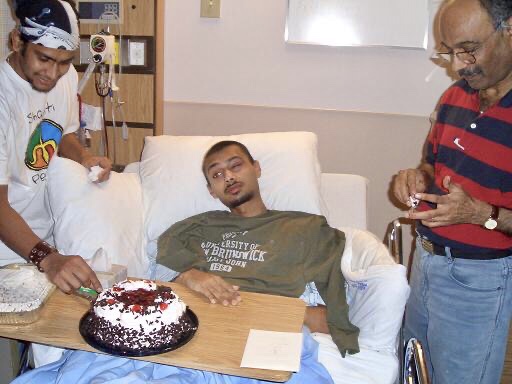
Recently, I spoke with Ottawa resident Darryl Sequeira about his near-death experience fifteen years ago.

In September 2005, Darryl was a 20-year-old university student in Saint John, New Brunswick.

He got drunk at a party one night and was passed out in the back seat of the car of a friend’s friend.

Unbeknownst to Darryl, the driver was also drunk and so, “It was the wrong car to fall asleep in.”

When the drunk driver crashed, the driver broke both his legs, the front seat passenger broke his right arm, the guy to Darryl’s left broke his left arm and the guy to Darryl’s right managed to get just a few cuts and bruises.

Because Darryl had been the only one asleep in the vehicle, he suffered the worst consequences. The car flipped over three times and he flew forward.

Continue reading

Are your affairs in order – now?

If you died today, how would people find your office, your bedroom, your bookshelves?

What would happen with your email, your social media, your bank accounts?

Who would you have wanted to forgive? To pay back? To return to with gratitude?

Many people cannot die well because of leading lives that are not yet in any meaningful order.

Before I take a trip, I often organize my bedroom and office so that – were I to die during the trip – my possessions would reflect my priorities and the order in which I had them would (hopefully) be a reflection of my soul when I had left them.

“Putting our affairs in order” has become an idiom for a one-time event when, in fact, we are all meant to put our affairs into order each day.

Augustine even described peace as “the tranquility of order.”

And so, if we want to eventually rest in peace, then we’ll need to live our lives in order.

At the End of Life, the Artist is Necessary

According to the Cambridge Dictionary, the word “clinical” may denote “expressing no emotion or feelings” or “showing no character and warmth.” The sentence that is given to illustrate its meaning is this: “We were going to paint our kitchen white, but we decided that would look too clinical.”

Do you ever wonder why hospitals and doctor’s offices are so drab? Why does there seem to be so little attention paid to aesthetics? What impact does this have on doctors, nurses, patients, and visitors?

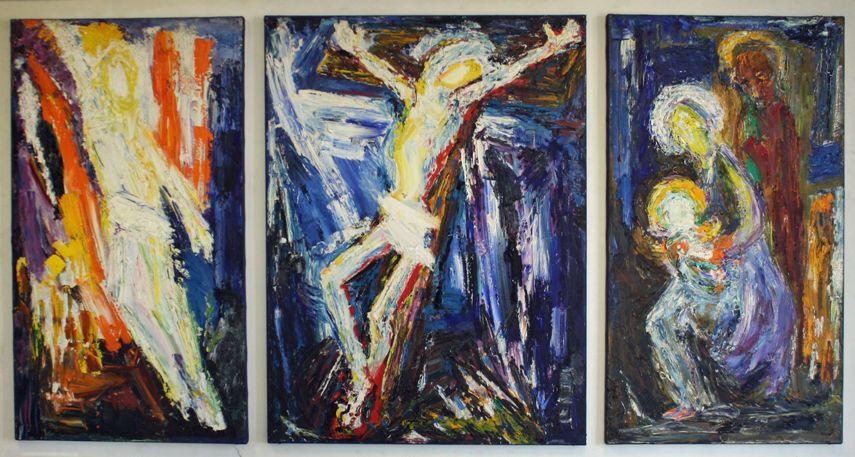
One day, Cecily Saunders, the British pioneer of modern-day hospice care, was “magnetically drawn” to an oil painting in a gallery window. She was so taken by it that she parked her car and entered the gallery moments before they were closing on the last day of the exhibition. Cecily Saunders moved eagerly from painting to painting. The blue Crucifixion had been the piece to catch her eye from the window, but the piece she impulsively chose to purchase was of ‘Christ Calming the Waters.’

The following day, she wrote the following to the artist, Marian Bohusz-Szyszko:

Continue reading

Making Use of Languishing

Today there is a very interesting piece published in The New York Times titled, “There’s a Name for the Blah You’re Feeling: It’s Called Languishing.”

This article describes the paradoxical combination of restlessness and lethargy that many people are now experiencing as “languishing.”

It turns out the etymology of the word is “to fail in strength, exhibit signs of approaching death” and the word is derived from the Latin word languere meaning to be listless, sluggish, and lacking in vigour.

The whole New York Times piece is very much worth reading because the author is not only articulate in describing the phenomenon but is also edifying in proposing some possible antidotes.

Adam Grant writes:

Continue reading

The Value of a Last Lecture

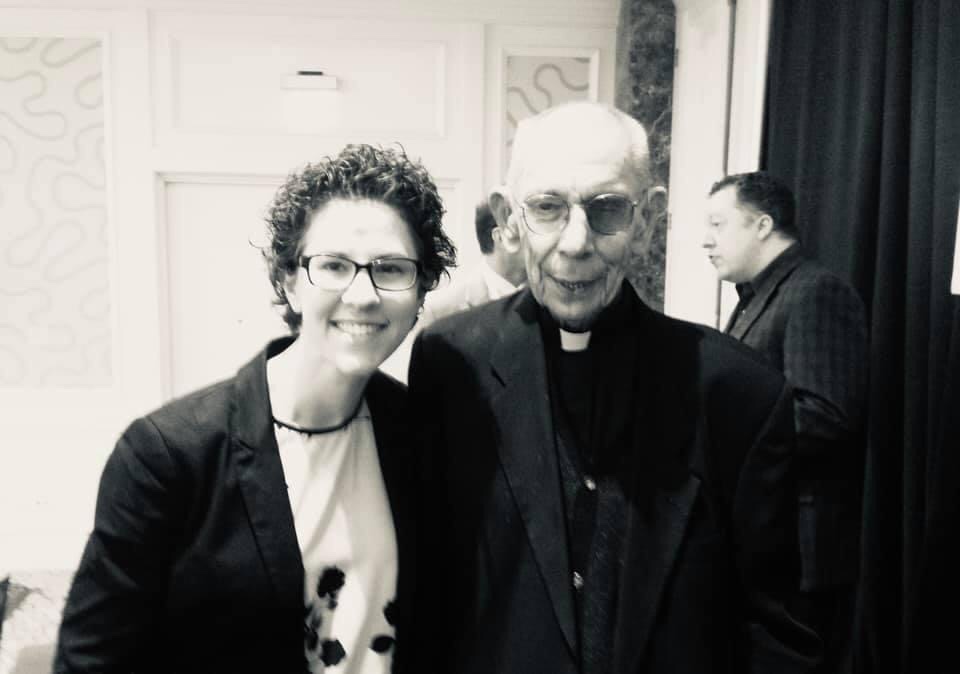
Today I am remembering Fr. James V. Schall – Jesuit priest, longtime professor of political philosophy at Georgetown University, and the author of more than thirty books. He died around this time two years ago.

I had heard that he had given a Last Lecture at Georgetown entitled “The Final Gladness,” but I only listened to it for my first time this evening.

Here is the video of the lecture and below are some highlights in summary as well as some brief thoughts on the value of a last lecture.

Continue reading

Sanctity Amidst An Epidemic

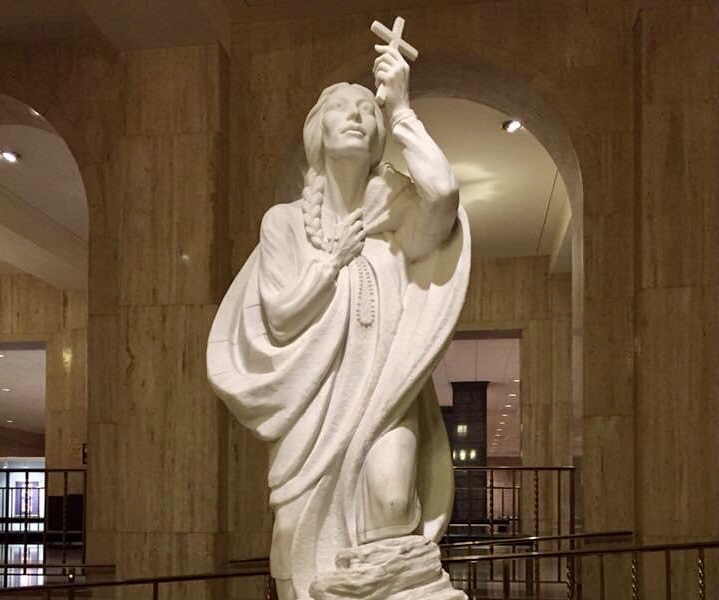
Today is the death anniversary and feast day of St. Kateri Tekakwitha – an indigenous Catholic who was born in 1656 to a Mohawk father and a Christian Algonquin mother.

During the homily announcing her canonization in 2012, Pope Benedict XVI said: “Kateri impresses us by the action of grace in her life in spite of the absence of external help and by the courage of her vocation, so unusual in her culture. In her, faith and culture enrich each other! May her example help us to live where we are, loving Jesus without denying who we are.”

In honour of the occasion, I discussed the life, death, and legacy of St. Kateri with my good friend Maria Lucas who is herself an indigenous Catholic.

Check out our discussion about St. Kateri’s virtues, her willingness to chart her own course in obedience to God’s will, the ways she navigated her indigenous Catholic identity, and how she died with tremendous faith and peace at age 24.

Photo: Statue of St. Kateri at the Basilica of the National Shrine of the Immaculate Conception in Washington, D.C. (2017)