Death Rehearsal

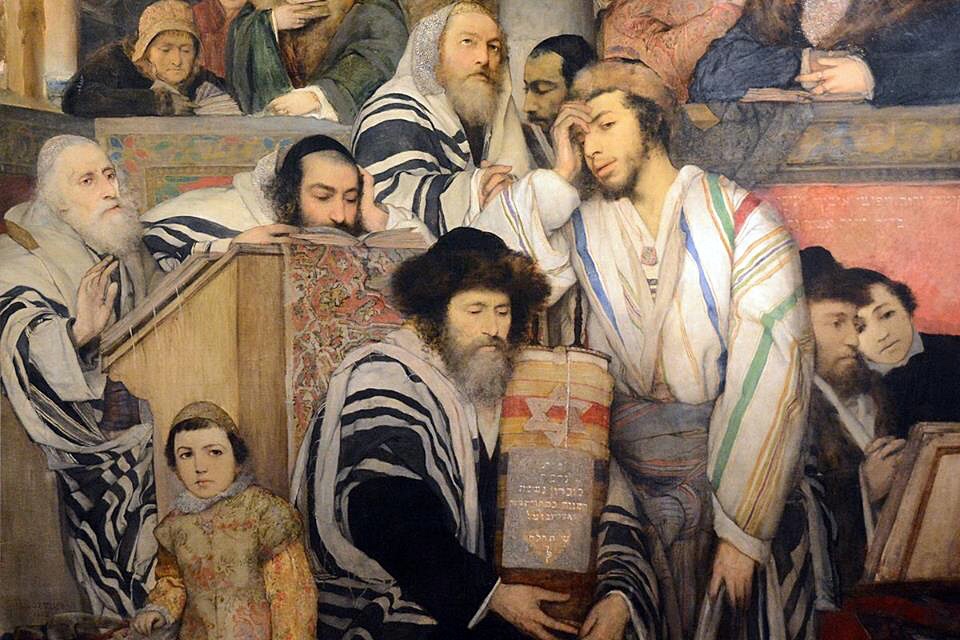
This year I came upon this interesting sermon for Yom Kippur titled, “Let Death Be Our Teacher.”

This piece explains the way in which Yom Kippur is traditionally understood to be “a rehearsal of our death.”

In it, Rabbi Dara Frimmer says:

Let’s be honest, most of us wait until a crisis is upon us to make significant changes in our lives.

My father had a great life before he was diagnosed. He worked hard AND played golf every Wednesday. He loved photography, travel, and good food. He collected recipes from the New York Times and once a month our kitchen would become a gastronomy lab.

And when he was diagnosed, as most of us might do, he took account of his life – a Cheshbon Ha- Nefesh – literally, an accounting of his soul. Which is exactly what we are asked to do on Yom Kippur. A Cheshbon HaNefesh invites us to take inventory: Are we wasting moments of our life or are we lifting up and celebrating what is most precious?
Continue reading

Assumed into Heaven

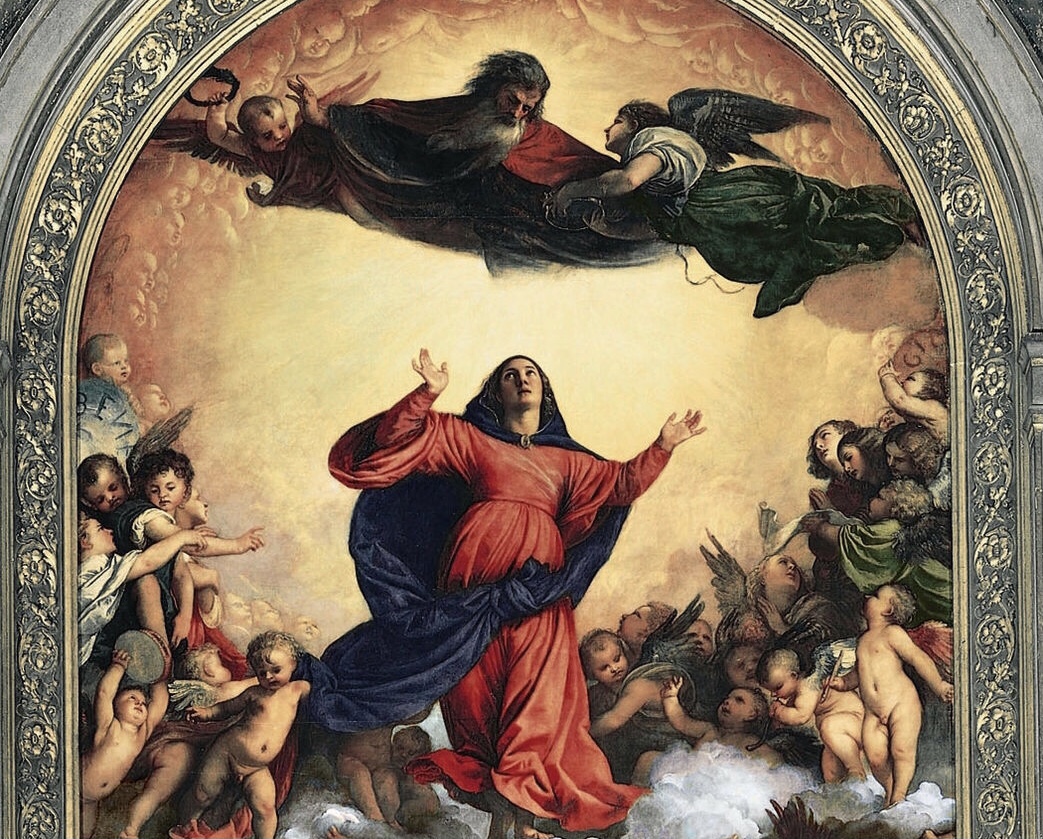
On the 15th of August, Catholics celebrate the Feast Day of the Assumption of Mary in honour of Mary’s bodily taking up into heaven.

The site in the Holy Land connected with this event is the Dormition Abbey. Here’s a two-minute video explaining this teaching and showing the church connected with this spiritual heritage.

It’s interesting to read that almost all major world religions believe that there are some people who entered heaven alive or were bodily assumed into heaven.

It is also interesting to consider the significance of this belief appearing across traditions, as well as its meaning for theology and anthropology.

Vocation Grasped in Retrospect

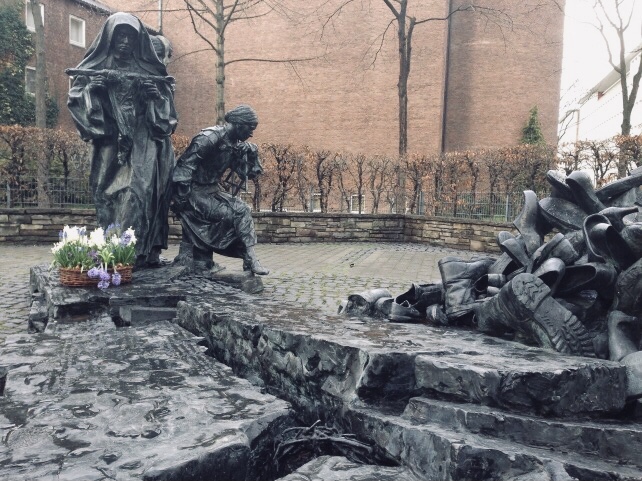
Today is the feast day of St. Edith Stein, a Jewish-Catholic saint and martyr born one century before me and to whom I have special devotion and affection.

In fact, I even spent one month a few years ago living in her former childhood home in Wroclaw, Poland (formerly Breslau, Germany).

Edith Stein was a German Jewish philosopher who became a Catholic nun and patron saint of Europe. Martyred in the Holocaust, she has been on my mind as I reflect on the meaning of vocation.

Continue reading

#IamWithYouAlways

Pope Francis has initiated a World Day for Grandparents and the Elderly which was held this year on Sunday, July 25th with the theme, “I am with you always” (Mt 28:20).

Speaking about the day, His Eminence Cardinal Kevin Farrell said, “The World Day for Grandparents and the Elderly is a celebration. We really needed it: after such a difficult year we truly need to celebrate, grandparents and grandchildren, young and old. ‘We should celebrate and rejoice’ says the Father in the parable. A new page opens after dramatic months of difficulty. Pope Francia invites us to take a step further, he speaks to us of tenderness. Tenderness towards the elderly is needed because, as the Holy Father recalls in the message we present to you today, the Virus ‘has been much harsher with them’. For this reason, the Pope hopes that an angel will visit, and will come down to console them in their solitude, and he imagines that this angel looks like a young person who visits an elderly person.”

Dr. Vittorio Scelzo added, “In these days we will launch a social campaign and invite everyone – especially the younger people – to tell about the visits and initiatives that will develop using the hashtag #IamWithYouAlways.”

Below are some of the kinds of tweets I found when searching this hashtag. It is wonderful to see this civilizing initiative of valuing the elderly more profoundly.

Continue reading

Initial hypothesis about resurrection

After nearly 200 days of blogging about death every day, where is this leading?

I find myself becoming fascinated and absorbed by the topic of the resurrection of the dead.

As a friend remarked to me the other day, this is one of the most fundamental beliefs underlying our civilization and yet, it is a teaching about which most people are, if they are being honest about it, rather incredulous or indifferent.

My very preliminary hypothesis is that belief in resurrection is subliminally decisive to how we live and that it has wide-ranging implications in ethics, technology, and culture.

To play with these ideas, we can ask: What difference does it make whether or not we believe in a resurrection of the dead? What are the practical consequences in our lives of its possibility or impossibility?

Another question: If people believed in the resurrection of the body, what would it change in our public bioethics?

I do not yet have many answers to propose. However, my first intuition is that the precariousness of our embodiedness needs redemption.

Whether this redemption is possible and whether we stake (or mistake) our hope about it in the correct place is, I think, a more interesting and practical question than many realize.

This Is What Indigenous-Catholic Reconciliation Looks Like

The other day, my friend Ada and I were discussing the discovery of Indigenous children’s undocumented remains outside of the former residential school in Kamloops.

Ada is passionate about the Arctic and through her studies, research, and work is involved in cooperating with Inuit in the north with sensitivity, respect, and mutuality.

I could tell the news had shaken her and so I asked whether she had ever been to a First Nations cemetery.

“Yes, twice,” she said.

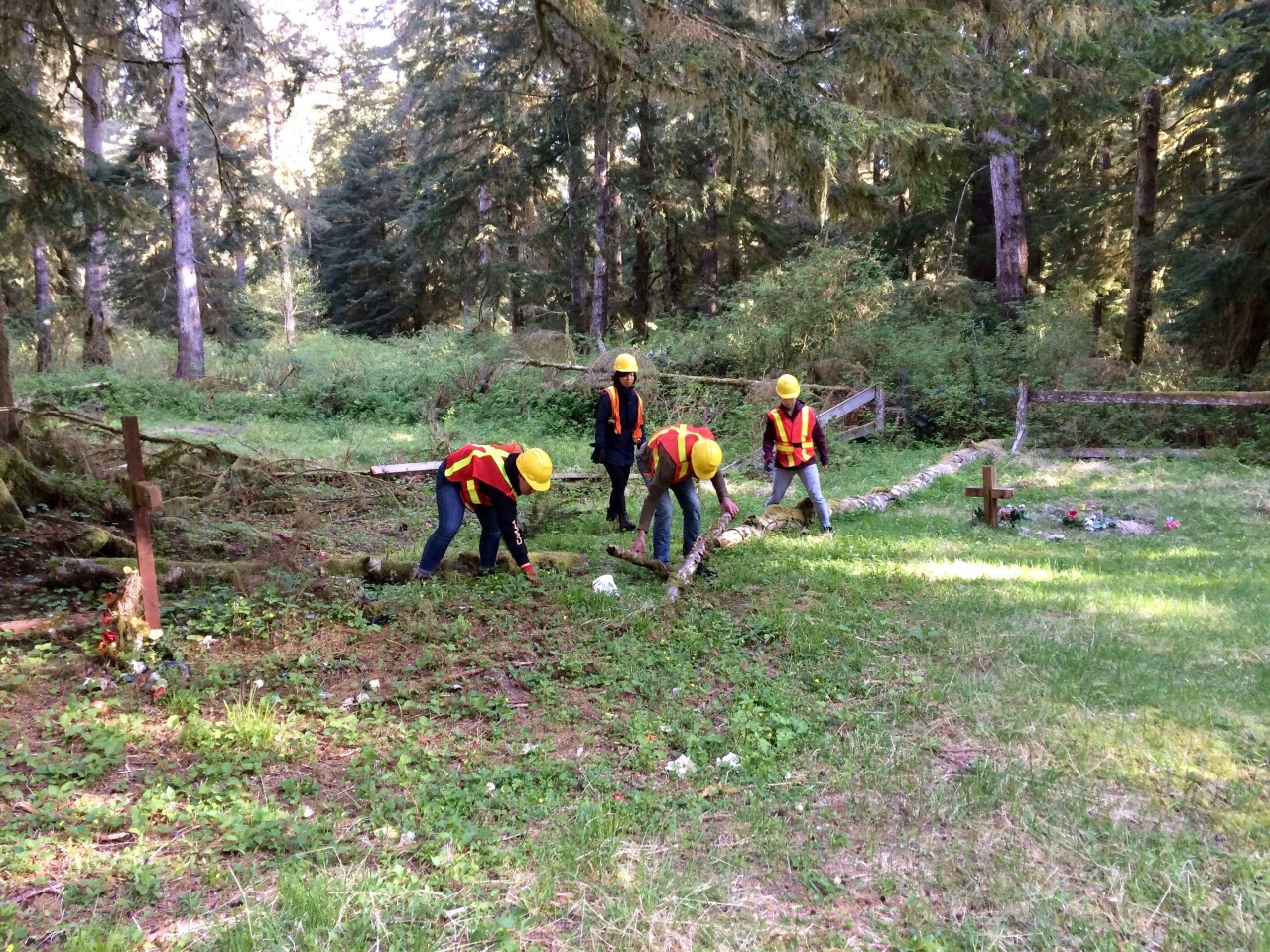
It was 2018 and Ada had just completed her undergraduate degree at the University of Victoria. As a member of the Catholic Students’ Association, she joined four other students, led by university chaplain, former Anglican-turned-Catholic priest, Fr. Dean Henderson, on a cultural mission exchange to a First Nations reserve in British Columbia.

Continue reading

“Every day is a good day to die.”

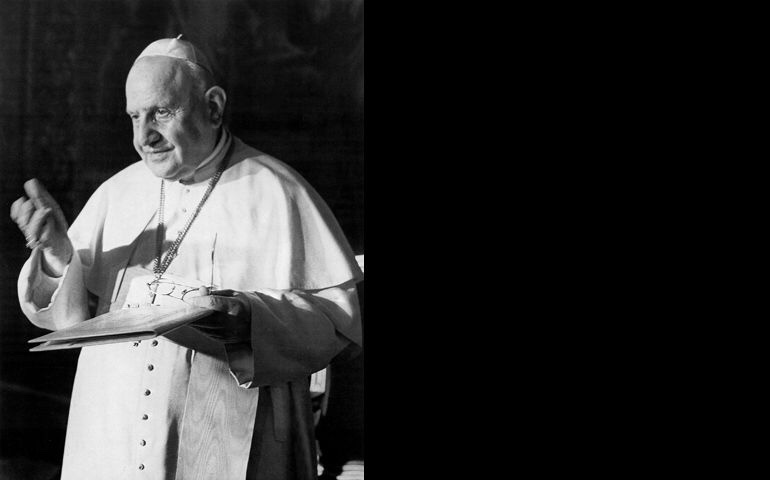
On this anniversary of Saint John XXIII’s death, I took the opportunity to re-read Hannah Arendt’s chapter, “Angelo Giuseppe Roncalli: A Christian on St. Peter’s Chair from 1958 to 1963” in her book Men in Dark Times.

It is an amusing title for the German Jewish political theorists reflections on his pontificate and, more broadly, his whole life and death.

By calling him “A Christian” in this emphatic sense, she intended to convey the remarkable extent to which Pope John XXIII wanted to follow Christ, “to suffer and be despised for Christ and with Christ”, and to “care nothing for the judgments of the world, even the ecclesiastical world.”

Continue reading

“Don’t Wait to Honour Your Mother”

This Mother’s Day Weekend, I attended mass in a church parking lot listening to Fr. Ken speak over radio from an Outdoor Chapel that was built by the Knights of Columbus.

My friend and I – as I’m sure is true of all parishioners – were saddened to hear from Fr. Ken that both his mother and father passed away earlier in the week due to COVID complications they suffered in the Philippines.

During the homily, Fr. Ken spoke a bit about his parents in connection to the Gospel and to Mother’s Day.

First, he spoke about how he is surprised by many of the memories being shared about his parents.

While his father was the friendly extrovert, his mother had been more discreet and introverted.

And so, Fr. Ken was not surprised with what people have been saying about his father but when it comes to his mother, he said he is hearing all of these new stories about her hidden generosity and thoughtfulness from so many people that he had not known she had touched.

Fr. Ken spoke about how his parents made a great team. His mother was good at business and sales and his father was good at networking and PR.

Continue reading

“In half an hour, I’ll know more than you do”

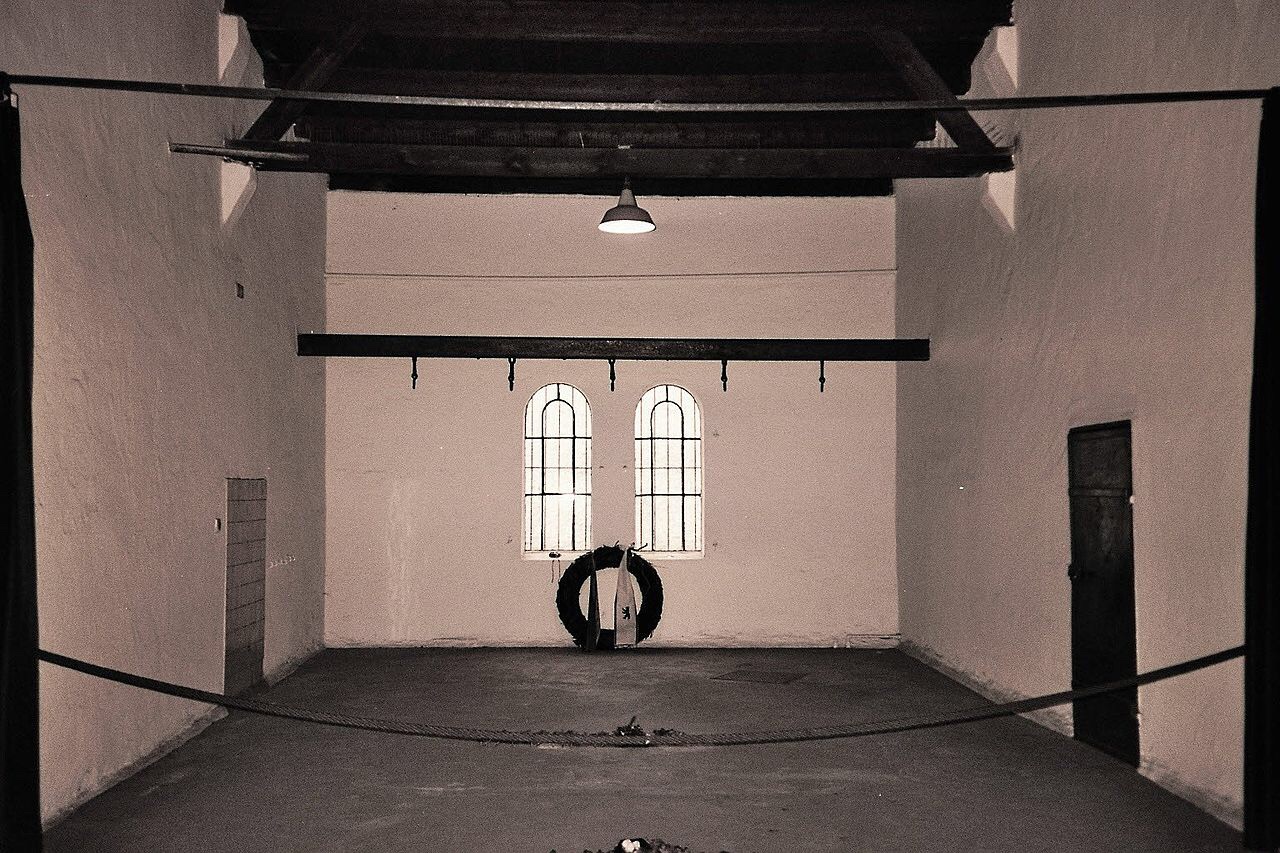
On this Ash Wednesday, I am recalling those words spoken by Fr. Alfred Delp to a chaplain shortly before the Nazis executed the priest by hanging.

Throughout history, there are certain persons who display such a remarkably supernatural outlook toward death.

Here are a handful of examples excerpted from St. Alphonsus Maria De Liguori’s Preparation for Death:

Continue reading

For the Sake of the Mourners

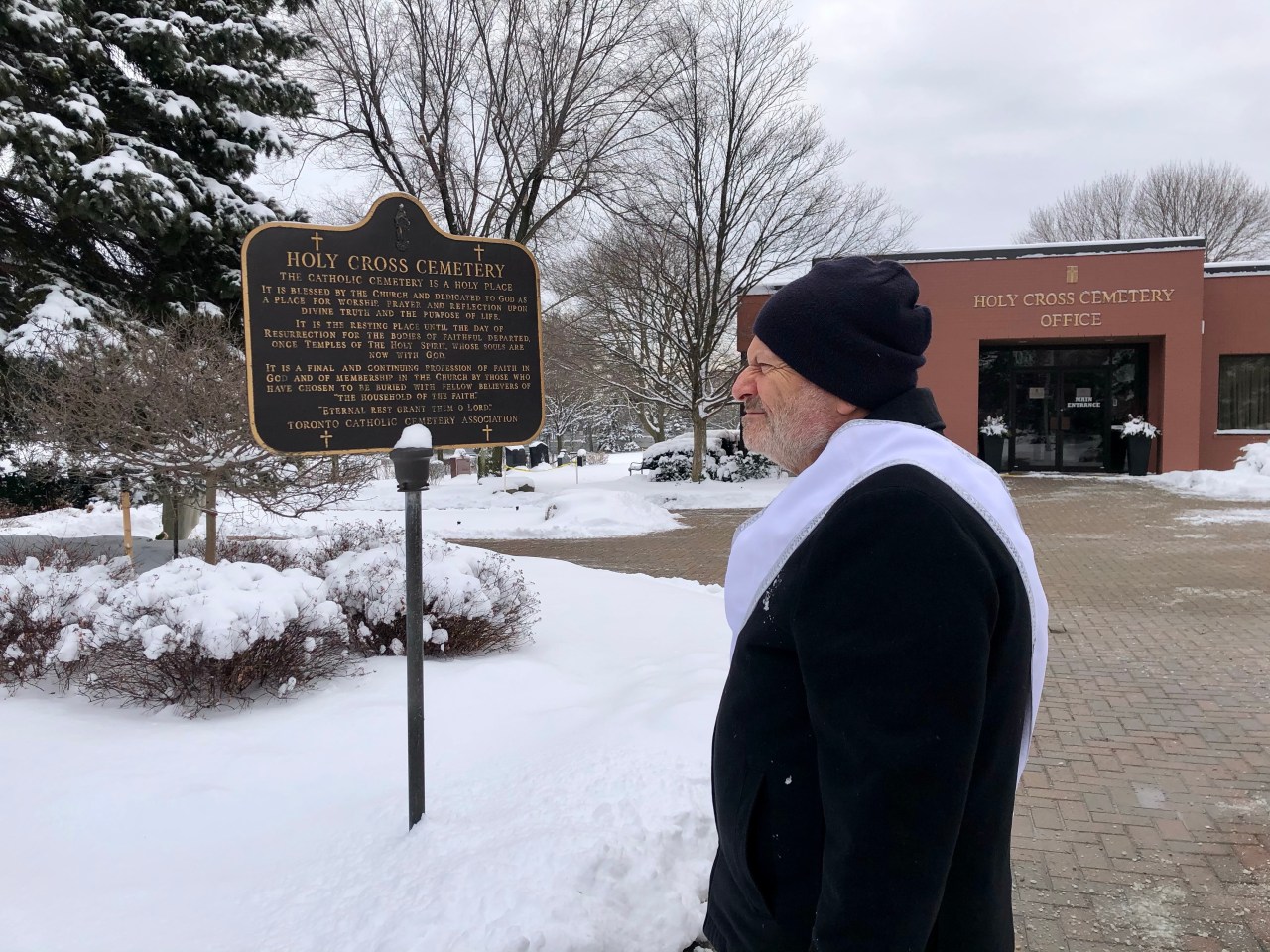
Recently, I visited the Holy Cross Cemetery with Mark Neugebauer. As a deacon for the Archdiocese of Toronto, he has become involved in the service of burying the dead.

While he never expected this to become a key part of his ministry, he was asked one day by a priest to do a committal and he agreed. From there he started doing them occasionally which led him to realize that he really enjoyed it. He asked if he could assist more and was told that a deacon had just died and, in fact, they needed him. Now, he currently does an average of 3 or 4 interments every Monday.

Continue reading