Simone Weil on Suffering and Transformation

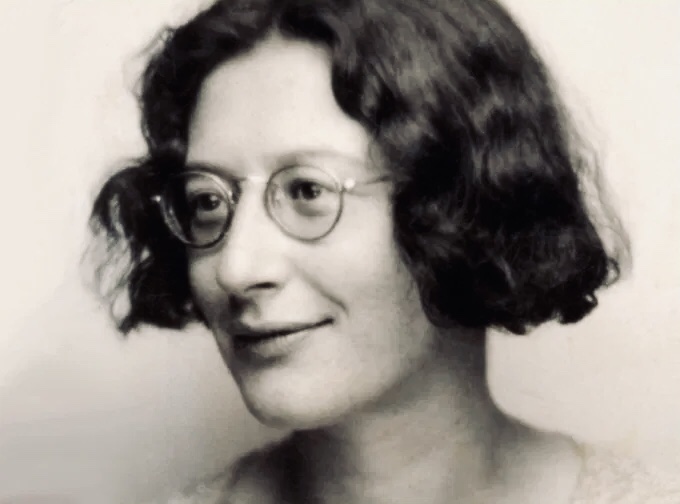
Simone Weil, who died on this date in 1943 at the age of 34, was one of the most audaciously creative writers and earnest spiritual seekers of the past century.

In her aphoristically-styled Gravity and Grace, she has these words about suffering and affliction:

Suffering: superiority of man over God. The Incarnation was necessary so that this superiority should not be scandalous.

I should not love my suffering because it is useful. I should love it because it is.

[…]

Suffering, teaching and transformation. What is necessary is not that the initiated should learn something, but that a transformation should come about in them which makes them capable of receiving the teaching.

Pathos means at the same time suffering (notably suffering unto death) and modification notably transformation into an immortal being).
Continue reading

Redeeming contact

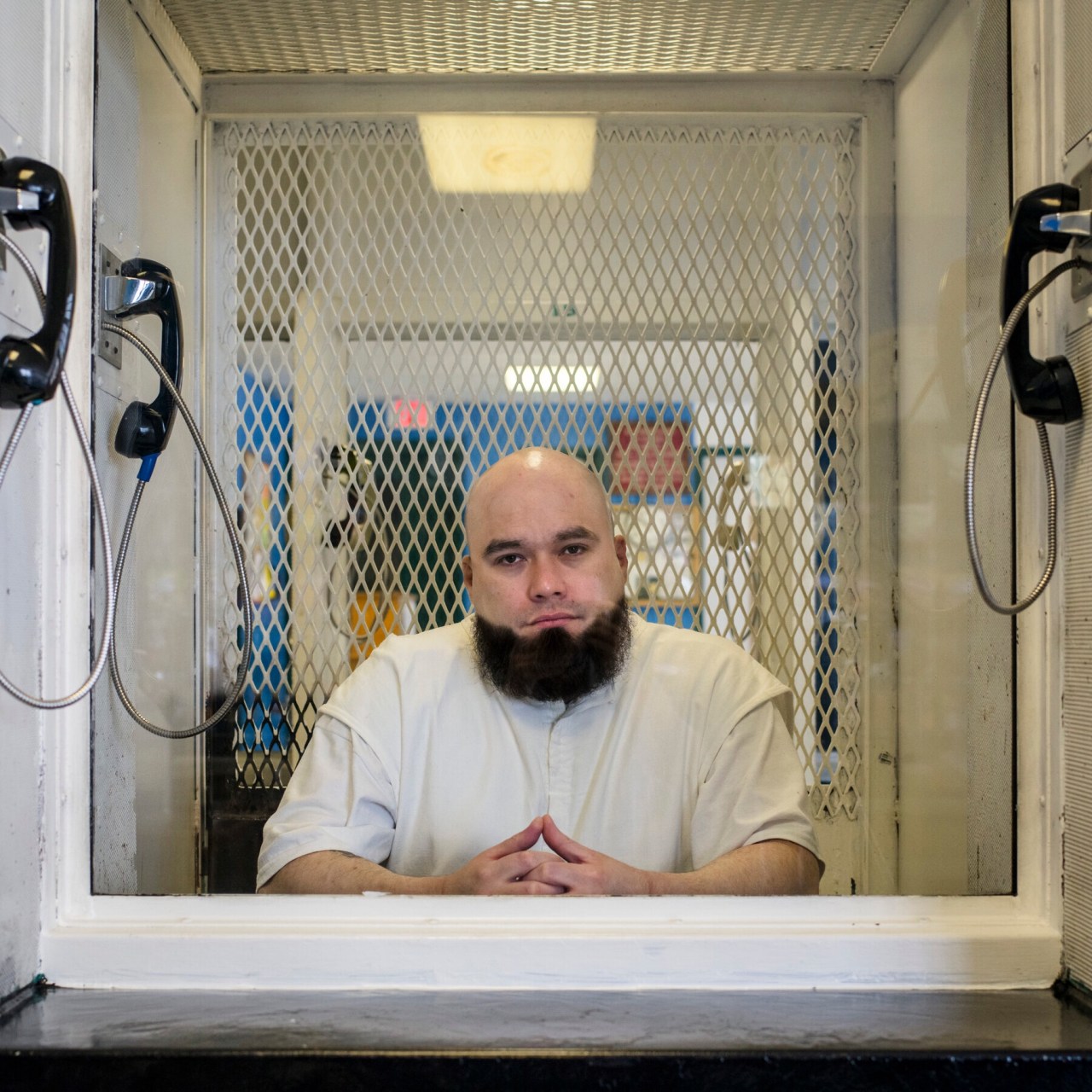
This is a quick post to direct you over to Ruth Graham’s interesting piece in The New York Times about a man on death row who is trying to get permission (through a lawsuit) for his pastor to lay hands on him before he is killed.

Sister Helen Prejean is quoted in the article as an advocate for the inalienable dignity even of criminals saying, “You uphold the dignity of the human being, that everyone is worth more than the worst thing they’ve ever done.”

One thing that I find striking about this story is the spectrum of human contact.

The prisoner, John Henry Ramirez, stabbed a man named Pablo Castro 29 times. In a robbery that yielded $1.25, Ramirez slit Castro’s throat and stabbed his head, neck, and shoulders.

Continue reading

“And she laughs at the last day.”

There is a very interesting verse in Proverbs 31 about which I had taken note until it came up in a talk recently.

In describing a woman of valour, there is this line in verse 25 which says:

“Strength and dignity are her clothing,
and she laughs at the time to come.”

Other translations say that the woman laughs: at tomorrow; at the coming day; at the future; etc.

In a Jewish translation of this verse, it says:

“Strength and beauty are her raiment, and she laughs at the last day.”

The commentary by Rashi offers that “at the last day” suggests “On the day of her death, she departs with a good name.

Continue reading

Heschel: “Prepare a spiritual income for old age”

There is a marvellous little essay called “To Grow in Wisdom” in Rabbi Abraham Joshua Heschel’s book The Insecurity of Freedom: Essays on Human Existence.

Continue reading

Why we cannot bear to look upon suffering

In James Baldwin’s The Fire Next Time, he wrote: “White people in this country will have quite enough to do in learning how to accept and love themselves and each other, and when they have achieved this—which will not be tomorrow and may very well be never—the Negro problem will no longer exist, for it will no longer be needed.”

This is a startling diagnosis of how racism betrays a person’s own existential insecurity.

Extending beyond the issue of racism, there is this fascinating insight that another’s suffering can actually intimidate us because, in some ultimate sense, we know that it could just as well be us.

Continue reading

Baldwin: “People who cannot suffer can never grow up.”

Recently a friend of mine introduced me to James Baldwin (1924-1987), an American author who wrote books, essays, and memoirs on the experience of Blacks in America.

I just finished reading Baldwin’s The Fire Next Time, which contains two essays exploring race relations in the U.S. in the early 1960s. “Color is not a human or personal reality; it is a political reality,” he says.

Continuing to reflect here on what case there is for suffering being redemptive without sliding into any justification of (or indifference to) real injustices, Baldwin offers a credible voice.

Here is an excerpt on how suffering can be a school in maturity:

Continue reading

Treat someone as you would want your loved one treated

There is this general ethos in contemporary healthcare that physicians should remain neutral, impartial, objective, and detached. To some extent, this seems fitting so to prevent burnout and enable doctors to see so many patients with a plethora of dramatic conditions and circumstances.

However, sometimes this goes too far and is detrimental and dehumanizing not only for patients but even for the doctors themselves.

One thing a former patient shared with me in this regard struck me. She said it was greatly reassuring for her when her doctors would preface their medical judgment or recommendation with the words, “If you were my spouse…” or “If you were my daughter…”

This indicated to her that the doctor truly had her best interest at heart. If he was willing to advise something in the case of his own loved one, then it was clear that he was making his recommendation very sincerely and had considered it seriously.

And so, this leads me to reflect on how we really want to be treated by others not only as they want to be treated but also as they would want their own loved ones to be treated.

I think doctors extending this kind of empathetic imagination to their patients can be an excellent form of accompaniment and help in having crucial conversations in the meeting between doctor and patient.

Fighting for the Right to Suffer

The other day I was listening to a talk by author Rod Dreher who, in discussing the contempt for suffering in our contemporary culture, brought up this excerpt from chapter 17 of Aldous Huxley’s book Brave New World:

“But I like the inconveniences.”

“We don’t,” said the Controller. “We prefer to do things comfortably.”

“But I don’t want comfort. I want God, I want poetry, I want real danger, I want freedom, I want goodness. I want sin.”

“In fact,” said Mustapha Mond, “you’re claiming the right to be unhappy.”

“All right then,” said the Savage defiantly, “I’m claiming the right to be unhappy.”

“Not to mention the right to grow old and ugly and impotent; the right to have syphilis and cancer; the right to have too little to eat; the right to be lousy; the right to live in constant apprehension of what may happen to- morrow; the right to catch typhoid; the right to be tortured by unspeakable pains of every kind.” There was a long silence.

“I claim them all,” said the Savage at last.

Continue reading

Retiring the Idea of Waiting for Retirement

When I was in high school, a family friend of ours died quite suddenly and unexpectedly in her mid-50s. She was the mother of a close friend of mine and our moms had been good friends throughout our whole lives.

This woman was very devoted to her family and to her work. She seemed to do everything in order. And yet, she was also someone who seemed to always be waiting for retirement to do several of the things she longed to do most.

She would often say, “When I retire…” and express her hopes and dreams for what she would do with greater leisure, time, and money.

It was striking, then, when she died relatively young because one of the things that hit me most as a high schooler was that she was never going to do these things she had put off.

Continue reading

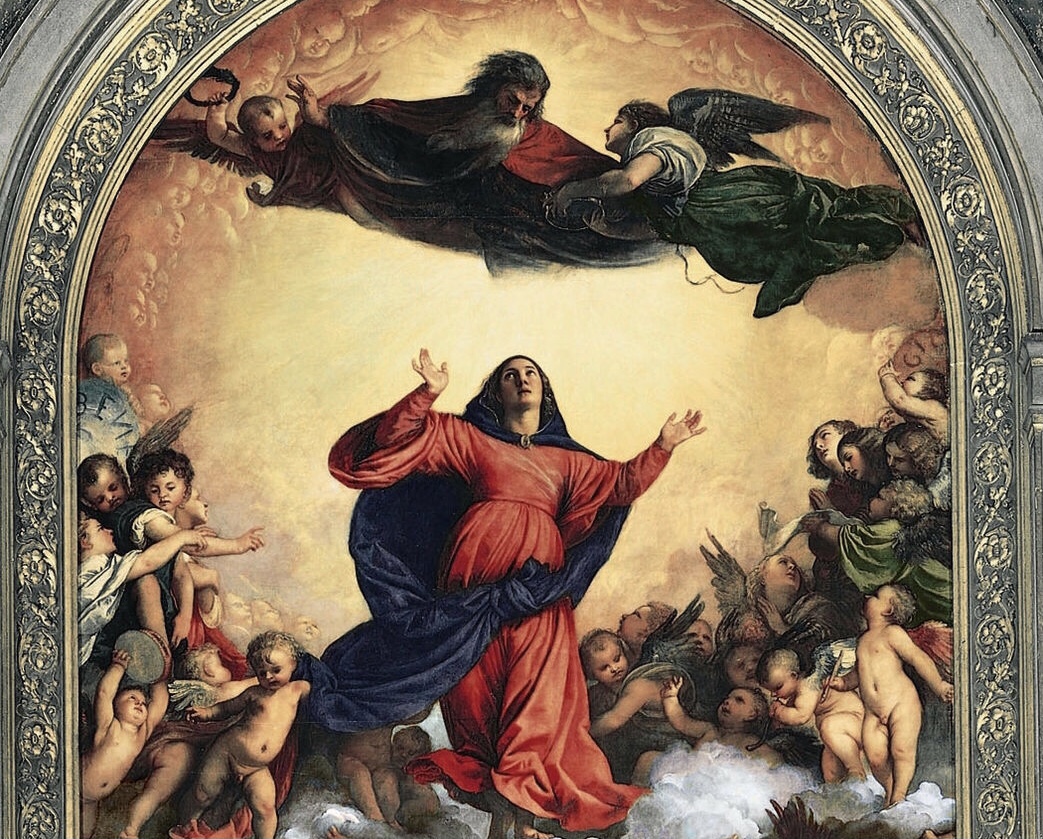
Assumed into Heaven

On the 15th of August, Catholics celebrate the Feast Day of the Assumption of Mary in honour of Mary’s bodily taking up into heaven.

The site in the Holy Land connected with this event is the Dormition Abbey. Here’s a two-minute video explaining this teaching and showing the church connected with this spiritual heritage.

It’s interesting to read that almost all major world religions believe that there are some people who entered heaven alive or were bodily assumed into heaven.

It is also interesting to consider the significance of this belief appearing across traditions, as well as its meaning for theology and anthropology.