Solidarity Unto Death

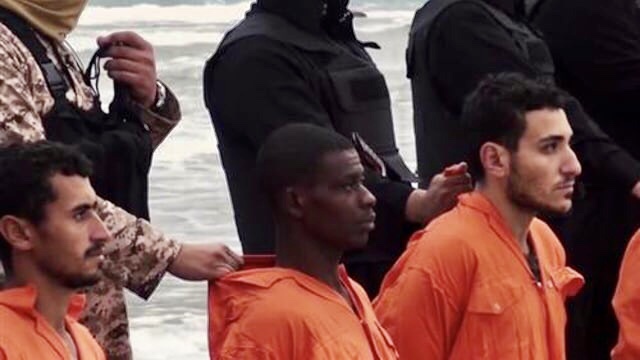
It was on this date six years ago that Islamists beheaded 21 Coptic Christians along the beach in Libya.

I have been thinking about this all day and remembering the video footage that is seared in my memory.

What difference is it making?

What does the martyrdom of these Copts have to do with us today?

To this question, I found an extraordinary piece published today by Lord David Alton.

Continue reading

Saved by Hope

This morning a friend of mine and I entered a Starbucks drive-thru. As my friend rolled down the window, we felt a cool morning gust. A young woman’s voice came from the speaker saying, with what may have been the greatest excitement I have heard from anyone throughout the entirety of the pandemic, “Welcome to Starbucks! What can I get for you this morning?”

My friend and I glanced at each other. The woman had sounded completely genuine. It wasn’t a phoney greeting. Yet, the enthusiasm startled us.

“You’re really happy,” my friend acknowledged.

Continue reading

Young People are Dying to Be Needed

Recently, in a discussion about the military, a friend of mine recalled receiving a letter when he was 18 asking him whether he would like to join the military in Belgium. This Canadian friend of mine had a Belgian grandfather, but had never visited the country. “After I received the letter from Belgium, it did make me wonder why I never received such a letter from Canada,” he reflected.

The military is not on most Canadians’ minds, particularly because Canada has one of the lowest rates of per capita military involvement in the world. According to this Macleans article, “[looking at] military personnel per capita […] leaves Canada the fourth-lowest number, with 0.0018 per person. In this instance, Canada is only beaten by India, Brazil, and China, whose large armed forces are eclipsed by their giant populations.”

Canadians are blessed to live in such a peaceful country with the best neighbour on whom we can rely for cooperation on our security interests. However, the meagre percentage of our population that serves in the military bespeaks a weakness in our cultivation of civic responsibility and even of the value of a noble patriotism.

Continue reading

Justifying Our Contempt for Death

In Antoine de Saint-Exupéry Wind, Sand and Stars, the author discusses the character of both his friend Guillaumet as well as that of an old gardener in juxtaposition with the story of a suicide. Take a look at the contrast between them that he paints by his description:

Continue reading

This World Day of the Sick

In 1993, John Paul II inaugurated the World Day of the Sick to be celebrated each year on February 11th. He wanted the annual day to serve as “a special occasion for growth, with an attitude of listening, reflection, and effective commitment in the face of the great mystery of pain and illness” and he specifically addressed all those who are sick, calling them “the main actors of this World Day.”

What did he mean by this?

Continue reading

The Tombs of the Protagonists

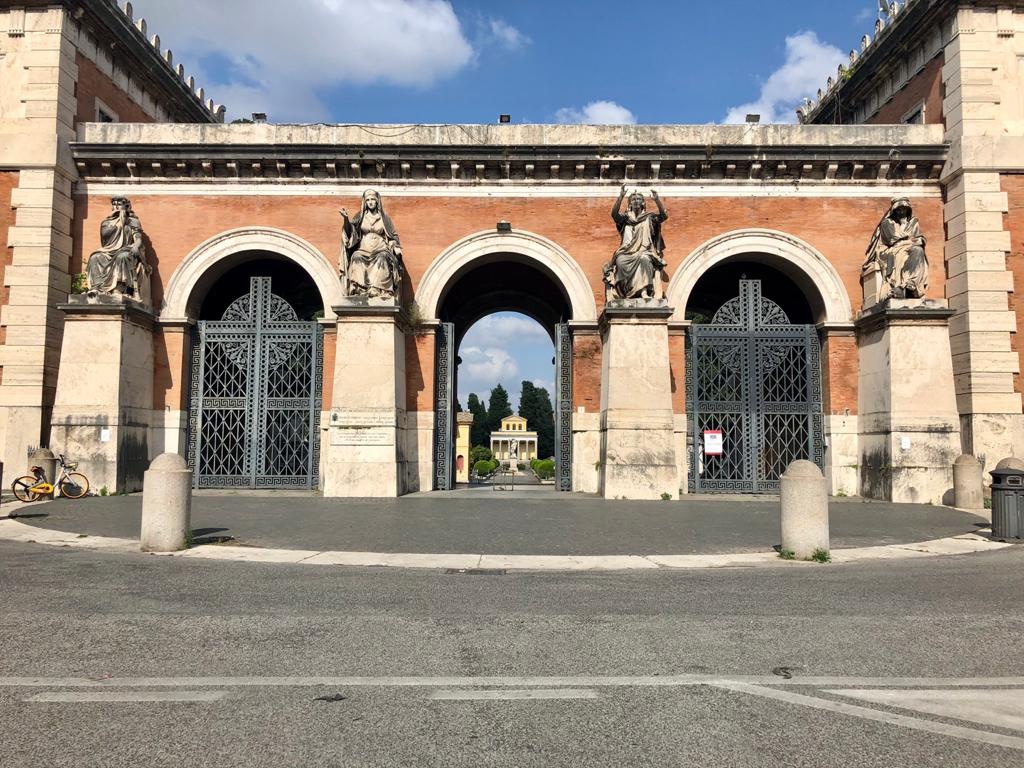
Among my favourite sites to visit when travelling anywhere are the cemeteries. A couple years ago, I visited the Campo Verano cemetery in Rome to seek out a particular grave. One of the things I remember most is the pamphlet given to visitors to facilitate a self-guided walking tour of the cemetery. The pamphlet was in several languages and in Italian there was a heading that said, tombe delle protagoniste. Wow, I thought: tombs of the protagonists! Such a heading is probably simply rendered into English as “famous tombs”, but this idea of a cemetery having leading characters thrilled me. As I walked throughout the cemetery, I thought about the major and minor characters, the settings, the rising actions in world affairs corresponding to the dates inscribed upon tombstones. The Italian wording filled my imagination with a sense of drama and excitement.

How I Will Live after the Pandemic

There is a miscellaneous text by Janusz Korczak (the Polish Jew who perished in Treblinka along with 200 children and staff of the orphanage he directed) that is titled, “How I Will Live after the War.”

In it, he notices how “about fifteen of them are keeping journals.” Most of the journals document life day-to-day and, occasionally, there are reminiscences about the past. However, “only once did someone write about what he was going to do after the war.”

Continue reading

Sketching Memories

On my iPhone, I have 33,250 photos.

Yesterday, when reading Janusz Korczak’s Ghetto Diary, I came across a section in which Korczak is conversing with a well-known painter who says to him:

“Everyone should know how to sketch in pencil what he wants to retain in memory. Not to be able to do that is to be illiterate.”

I read this sentence over and over again, and thought about it. I have 33,250 photos on my phone and only one of them is, in fact, an image of something I sketched in pencil.

Continue reading

Creating a Legacy for the Baby We Loved

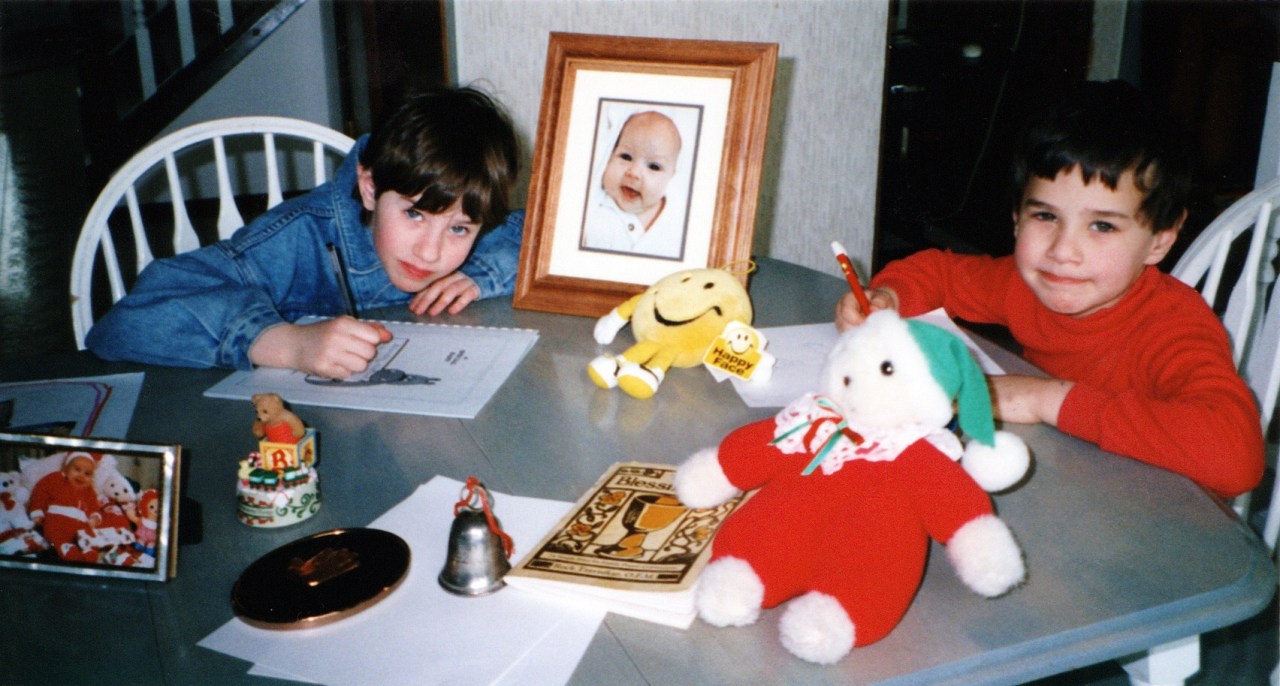
When my brother Brandon was born prematurely, my mother met at lot of other parents in the neonatal intensive care unit (NICU) who were all living on pins and needles with uncertainty over the future of their respective children.

One woman was continually writing letters to her child about what she was feeling and about what he was going through each day. Together, she and my mom went shopping for clothes at Build-A-Bear because the clothing for teddy bears was the right size for their premature children who were too small to fit any of the baby clothing they could find.

Continue reading

Martyrology before Meals

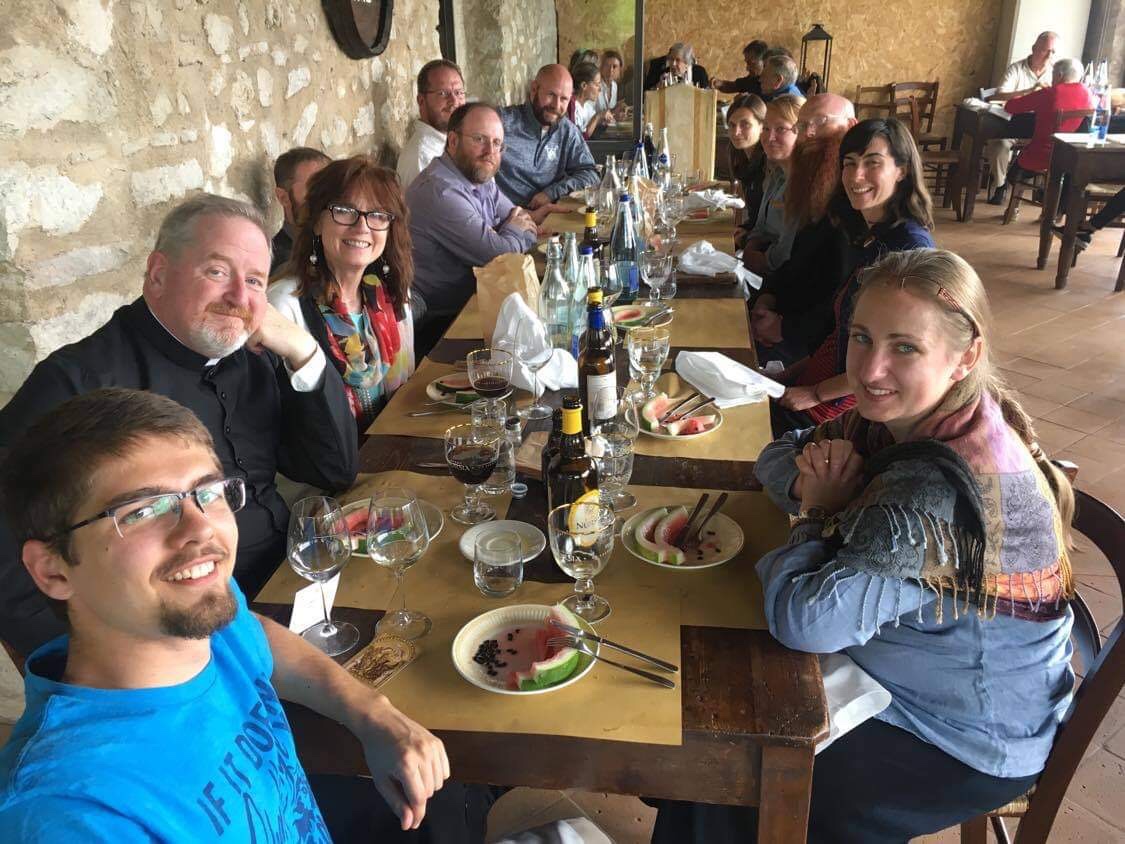
During the summers of 2016 and 2018, I attended seminars hosted by the Albertus Magnus Center for Scholastic Studies. These seminars take place in Norcia, Italy and provide participants with an opportunity to experience the liturgical life of the Benedictine Monks who live there. The seminars include study sessions on Thomas Aquinas’ commentary on a particular book of Sacred Scripture as well as leisurely, convivial multi-course Italian meals.

Continue reading