“A story’s end changes the meaning of every page.”

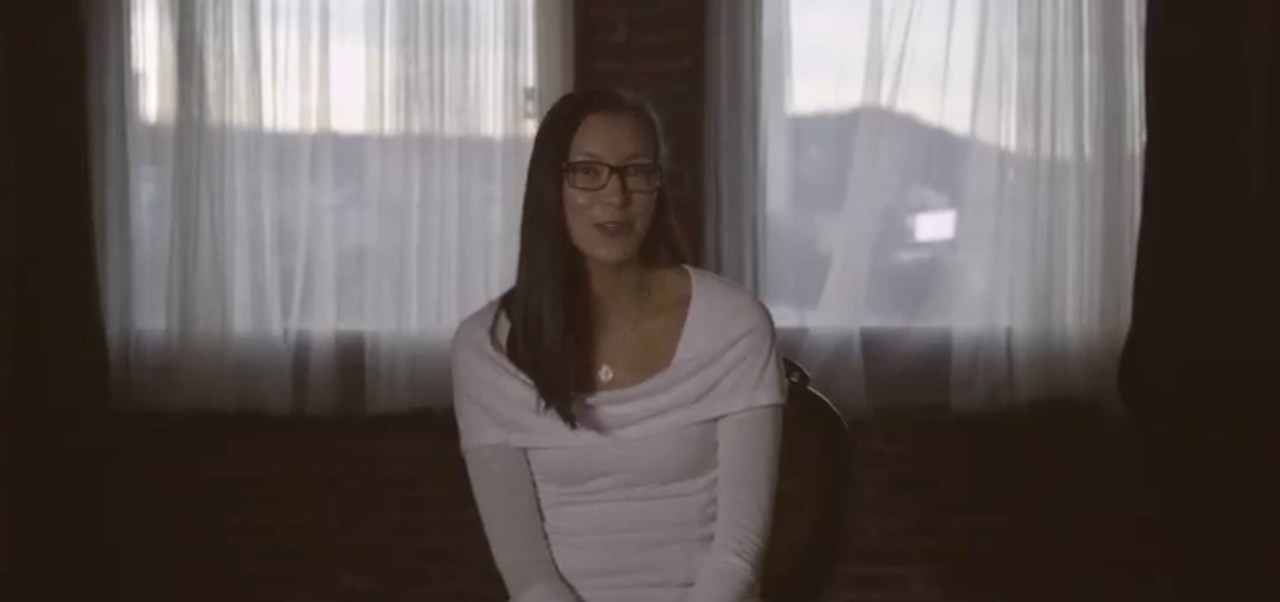
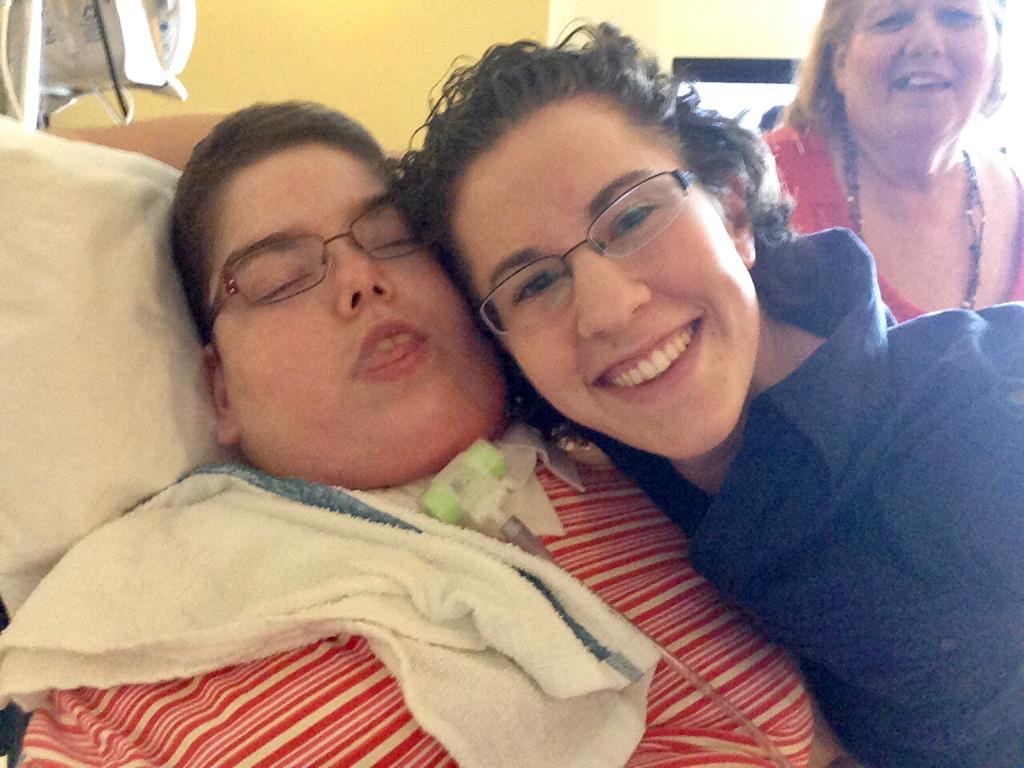
Tonight I am remembering this 3-minute video in which Lizz Lovett reflects on facing terminal cancer:

It is a striking thought–that how a person lives out their final days is reflective of what has ultimately been the tenor of that person’s entire life.

What does how you hope to die reveal to others and to you about what you are believing about life all along?

Facing Up to One Another

There is a philosopher named Emmanuel Levinas who said, “The relationship with the face is immediately ethical in nature. The face is what you cannot kill, or at least in the sense that says: ‘thou shalt not kill’.”

And so, whenever I see a news article accompanied by an image of an elderly person’s hand, or a syringe, or an empty hospital hallway, this quotation always comes to my mind. How different it is to actually see faces. It is almost as if seeing faces (even if only as images) is to be given a different set of facts altogether.

Continue reading

Just Passing Through

Yesterday I started a six-week course called Journey of the Soul: A fresh look at life, death, and the rest–in peace. Throughout the course, we study death in its philosophical, emotional, and practical dimensions.

One highlight from the first session was hearing an anecdote about Rabbi Dovber of Meseritch.

Continue reading

A Feast of Encounter between Generations

“When anxiety was great within me,
    your consolation brought me joy.”
– Psalm 94:19

Today Christians celebrate the Feast of the Presentation of the Lord commemorating when Jesus was brought to the temple by Mary and Joseph.

About this feast, Pope Francis says:

Continue reading

Most Want to Die at Home

Surveys consistently indicate that the majority of people would prefer to die at home instead of in a hospital. However, a minority actually do.

Cicely Saunders International just published You Matter Because You Are You, an action plan better palliative care, in which the charity explores the key challenges faced at the end of life.

The report notes that “Too many people with life-limiting illnesses – as well as those approaching death – spend long periods of time in hospital, in part due to a lack of social or community care. Meanwhile, hospital
admissions are rising to unsustainable levels across the country, something that was made all the more apparent as parts of the NHS risked being overwhelmed during the COVID-19 pandemic.”

Most people want to die at home and most hospital workers would be in favour of much greater home care.

Some of the main obstacles to this include: the weakness of social and familial ties, lack of “coordination and information sharing between health and social care providers”, and inadequate emphasis on professional palliative home care.

Continue reading

What is Done When at a Loss of What to Do

I just flipped open to an essay by Elie Wiesel entitled, “The Death of My Father” which begins with the words: “The anniversary of the death of a certain Shlomo ben Nissel falls on the eighteenth day of the month of Shevat.” Since it was just recently Tu B’Shvat [the fifteenth day of Shevat], it so happens that today is the eighteenth day of this Hebrew month.

Since his father was murdered in Buchenwald, Wiesel discusses finding himself unable to conform to the ritual traditions of Jewish mourning that include going to synagogue, studying the Mishnah, saying the orphan’s Kaddish, and proclaiming God’s holiness.

Continue reading

“I Want to Burden My Loved Ones”

In a short essay, Gilbert Meilaender reflected on attending a workshop on “advance directives” at a nearby hospital. Throughout the workshop, participants expressed their intent not to be a burden on their family members at the end of life. But the more Meilaender thought about this, the more he determined that this was not his view. He reflected, “I don’t know how to make the point other than too crassly–other than by saying that I want to be a burden to my loved ones.”

He then goes on to discuss the various ways he cared for his children that “burdened” him but that he certainly does not resent – teaching sports, playing games, attending recitals, volunteering at school, negotiating dinner choices. While he does not begrudge these things, he does ask, “Is this not in large measure what it means to belong to a family: to burden each other–and to find, almost miraculously that others are willing, even happy to carry such burdens?”

Continue reading

Emails from the Dead

Some years ago, I dreamt that my mom began receiving emails from my grandfather. They arrived sporadically because they had been auto-scheduled by him to be delivered to us on different dates in the future after his death. For fun, he used a pseudonym formed from aspects of his early life. The electronic letters always included at least one of the humorously crass jokes he’d so delight in telling at the dinner table, especially when clergy were over for dinner. The letters mentioned each of us in turn; first, my mom, then me, then my brother, then my dad. Every time an email of this nature would arrive, my family would all gather around my mom’s computer to read it as if it were “news” for us. Even though the email letters always had the same style and structure – a few jokes, some affirmations of our respective courses in life, and a reminder of his love, receiving them as emails made them seem exciting; we had no idea how many epilogues there would be.

An AirBnB next to Thomas Aquinas’ Grave

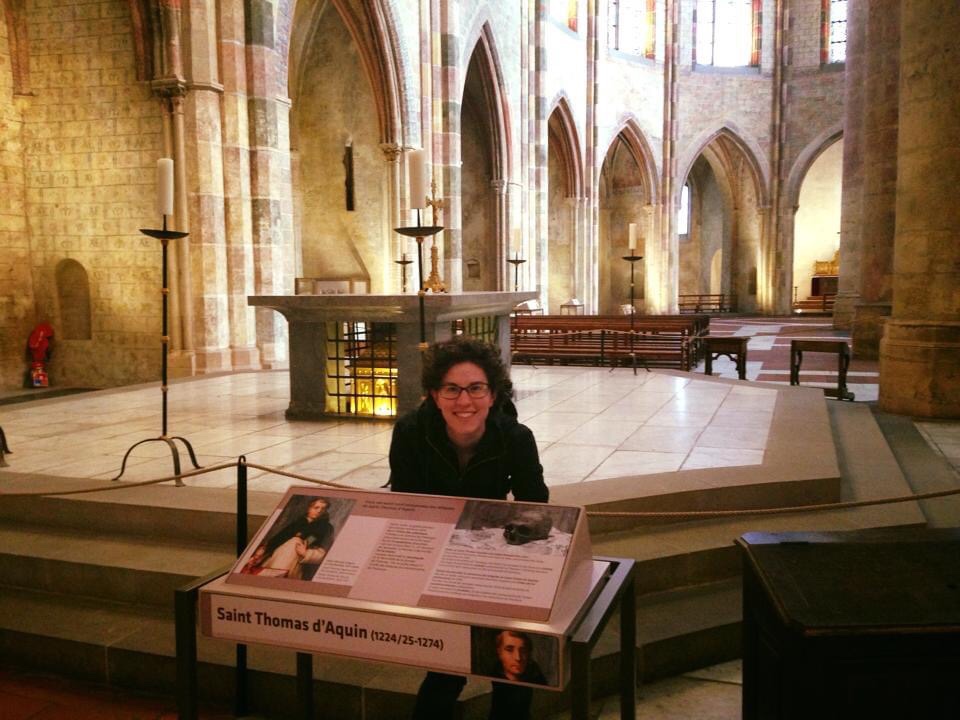
Upon returning to Poland and telling my professors that I had spent the holidays in Paris and Athens, my professor of metaphysics said to me, “Those trips sound okay, but if you want to do something really worthwhile, then you should visit Toulouse because that is where Thomas Aquinas is buried.”

Not more than a month later, I booked an AirBnB 238 metres from the Church of the Jacobins and went to see Aquinas’ tomb.

Continue reading

The Holocaust and Fruitfulness

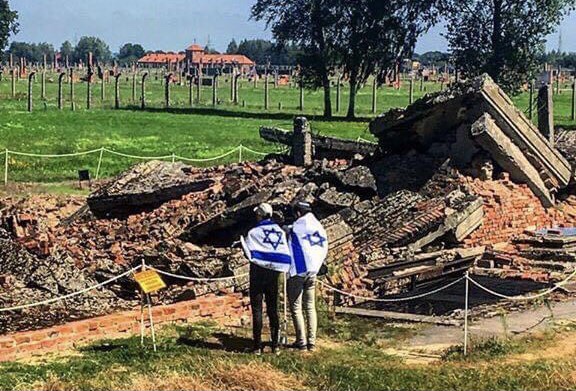
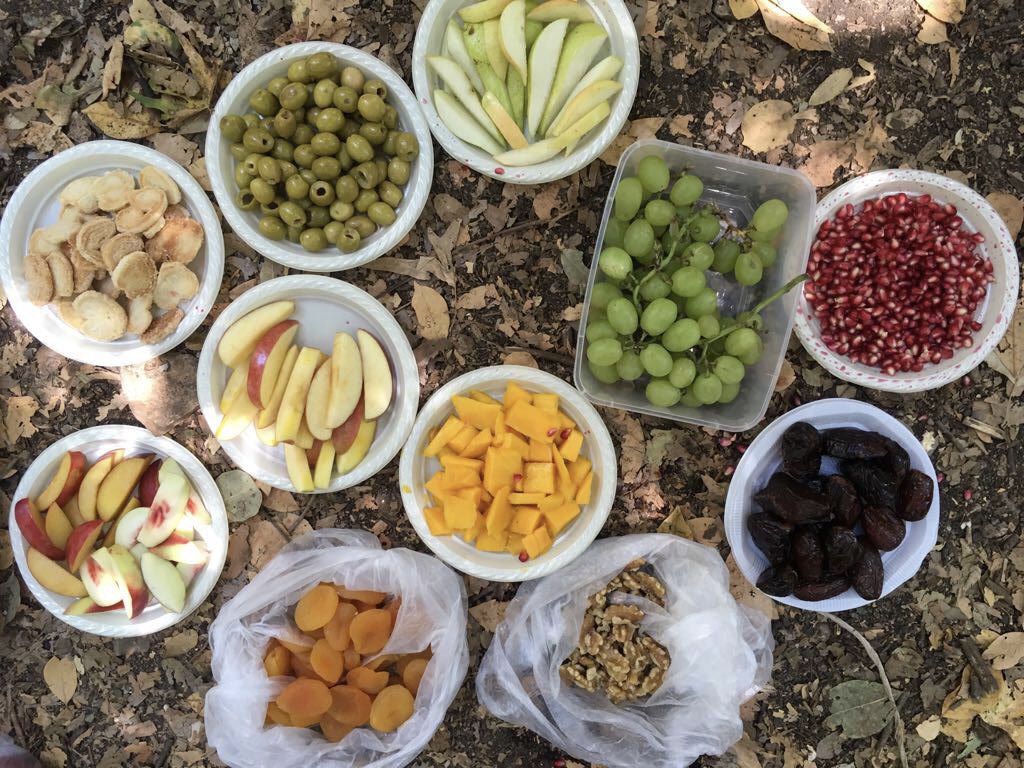
Today is both International Holocaust Remembrance Day and the Jewish holiday of Tu Bishvat. The coinciding of a solemn commemoration with a celebration of the trees and fruits of Israel makes me reflect on all the tenacious ways that new life is sometimes brought forth from barren situations.

Continue reading