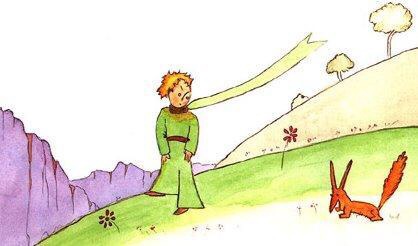
“To me, you are still nothing more than a little boy who is just like a hundred thousand other little boys. And I have no need of you. And you, on your part, have no need of me. To you, I am nothing more than a fox like a hundred thousand other foxes. But if you tame me, then we shall need each other. To me, you will be unique in all the world. To you, I shall be unique in all the world…” – Antoine de Saint-Exupéry
There is a reason why Antoine de Saint-Exupéry wrote The Little Prince for grown ups who are apt to forget the things that they knew so intuitively when they were children.
The excerpt above, for example, strikes us as beautiful and true. We grasp the total uniqueness and utter unrepeatability of those we love.
Soldiers and Death as Sacrifice
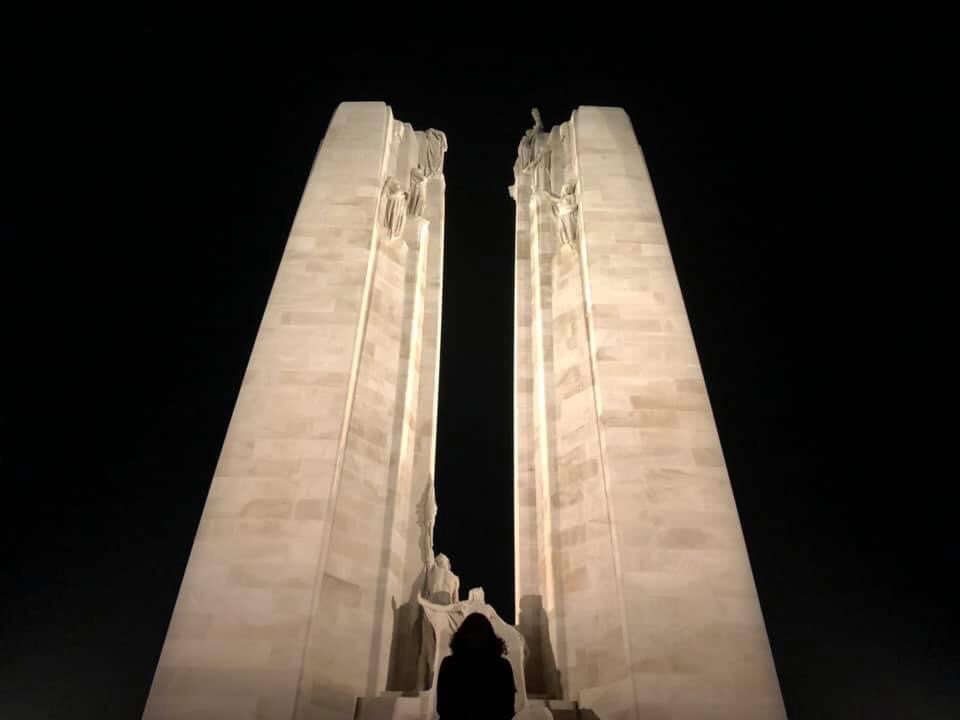
Before anyone close to me had died, my early reflection on death took place most routinely sitting on gymnasium floors during Remembrance Day assemblies on November 11th each year.
I even remembering colouring pages with poppies on them in Grade 1.
These early experiences stirred my imagination in gradual and subtle ways.
As I got older, the school assemblies became more intense. Parents of soldiers who had graduated from my high school came and spoke to us about the wars in which they had died.
What do you want to do [today]?
To be a young person and, especially, to be a student is to be continually asked by others about what you hope and plan to do in the future.
Many years ago, I read this excerpt in Henri Nouwen’s book Aging: the Fulfillment of Life that has remained with me:
Continue readingNot too long ago a thirty-two-year-old, good-looking, intelligent man, full of desire to live a creative life, was asked: “Jim, what are your plans for the future?” And when he answered: “I want to work with he elderly and I am reading and studying to make myself ready for the task,” they looked at him with amazement and puzzlement. Someone said, “But Jim, don’t you have anything else to do?” Another suggested, “Why don’t you work with the young? You’ll really be great with them.” Another excused him more or less, saying: “Well, I guess you have a problem which prevents you from pursuing your own career.” Reflecting on these responses, Jim said: “Some people make me feel like I have become interested in a lost cause, but I wonder if my interest and concern do not touch off in others a fear they are not ready to confront, the fear of becoming an old stranger themselves.”
Holding Life and Death Together
On November 9th, I noticed that it was the anniversary of two dramatically different events.
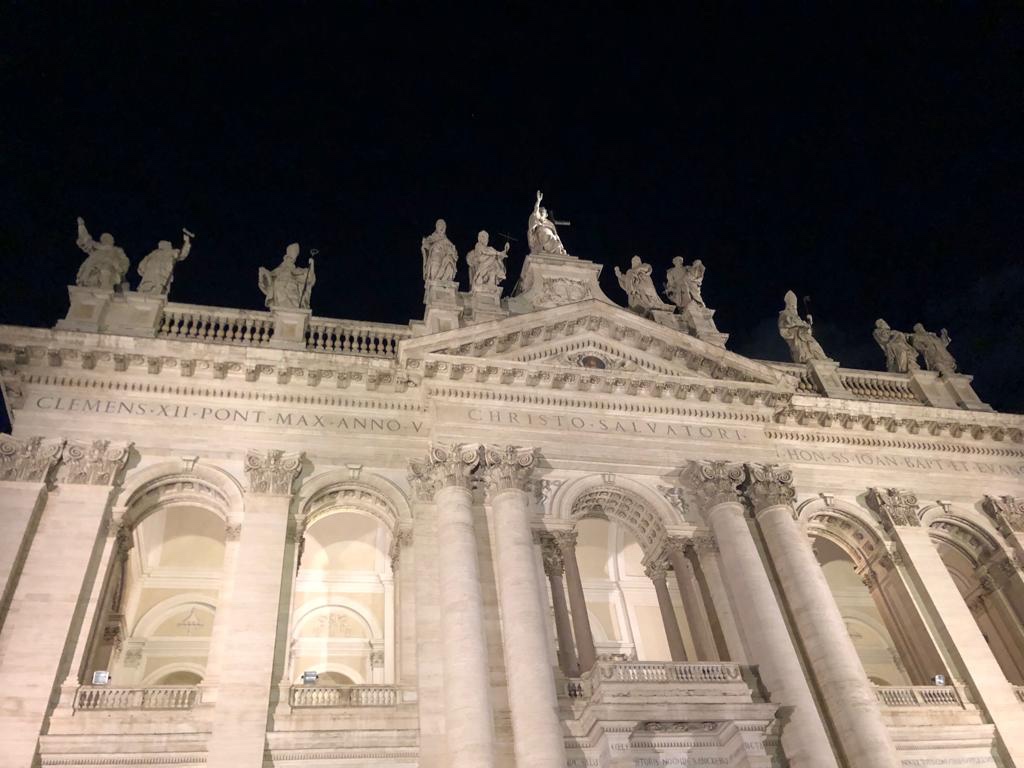
The first is the feast day of the rededication of the St. John Lateran Basilica in Rome. This is the closest papal basilica to where I now live. The church was established in 324 and the feast is to celebrate its rededication in 1724. The basilica is the seat of the bishop of Rome and is called the “mother of all churches.”
The second event is known as Kristallnacht when, in 1938, Nazis destroyed thousands of Jewish businesses and property and desecrated synagogues throughout Germany and Austria.
Healing food
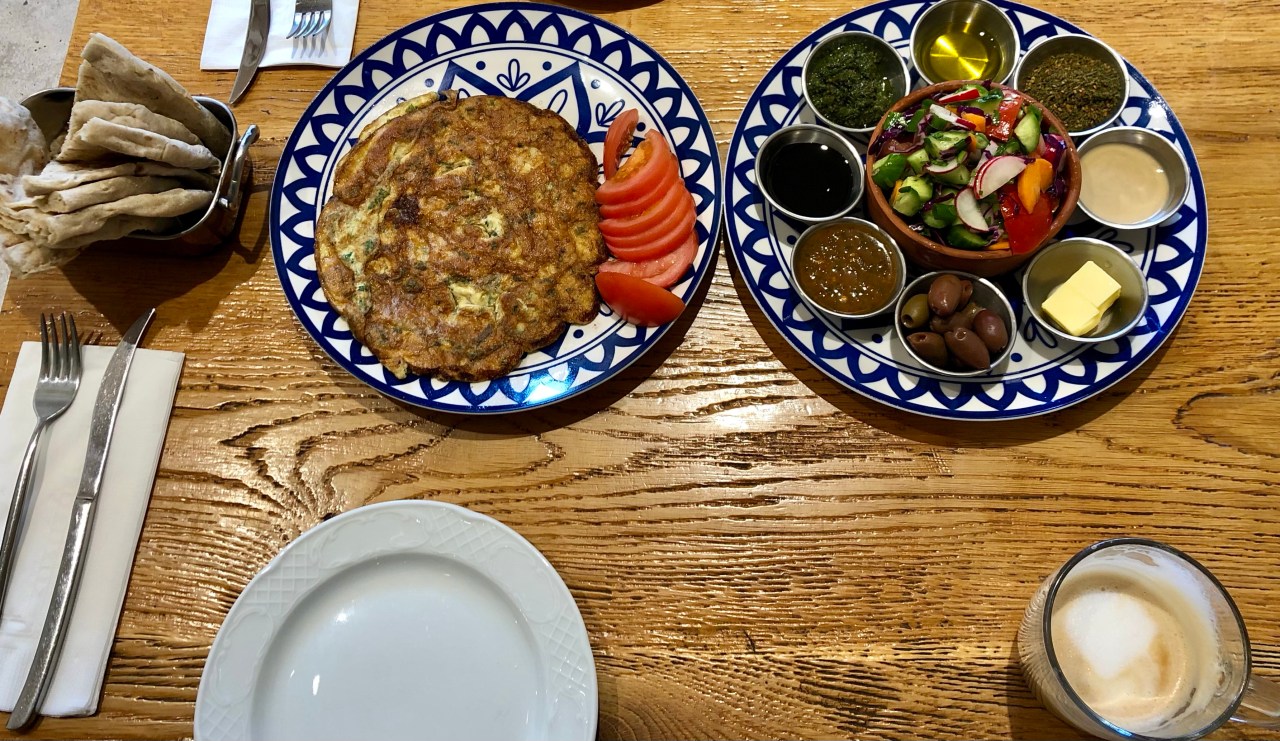
In a 1994 speech at a conference on “Spirituality and Healing”, Wendell Berry spoke about the importance of good food to a person’s healing, saying:
Continue readingYou would think also that a place dedicated to healing and health would make much of food. But here is where the disconnections of the industrial system and the displacement of industrial humanity are most radical. Sir Albert Howard saw accurately that the issue of human health is inseparable from the health of the soil, and he saw too that we humans much responsibly occupy our place in the cycle of birth, growth, maturity, death, and decay, which is the health of the world. Aside from our own mortal involvement, food is our fundamental connection to that cycle. But probably most of the complaints you hear about hospitals have to do with the food, which, according to the testimony I have heard, tends to range from unappetizing to sickening. Food is treated as another unpleasant substance to inject. And this is a shame. For in addition to the obvious nutritional link between food and health, food can be a pleasure. People who are sick are often troubled or depressed, and mealtimes offer three opportunities a day when patients could easily be offered something to look forward to. Nothing is more pleasing or heartening than a plate of nourishing, tasty, beautiful food artfully and lovingly prepared.
Anything less is unhealthy, as well as a desecration. Why should rest and food and ecological health not be the basic principles of our art and science of healing? Is it because the basic principles already are technology and drugs? Are we confronting some fundamental incompatibility between mechanical effciency and organic health? I don’t know. I only know that sleeping in a hospital is like sleeping in a factory and that the medical industry makes only the most tenuous connection between health and food and no connection between health and the soil. Industrial medicine is as little interested in ecological health as is industrial agriculture.
Accounting for existence
I recently came across this intriguing excerpt from David Velleman’s paper, “Against the Right to Die.”
He writes:
Continue readingOnce a person is given the choice between life and death, he will rightly be perceived as the agent of his own survival. Whereas his existence is ordinarily viewed as a given for him – as a fixed condition with which he must cope – formally offering him the option of euthanasia will cause his existence thereafter to be viewed as his doing.
The problem with this perception is that if others regard you as choosing a state of affairs, they will hold you responsible for it; and if they hold you responsible for a state of affairs, they can ask you to justify it. Hence if people ever come to regard you as existing by choice, they may expect you to justify your continued existence. If your daily arrival in the office is interpreted as meaning that you have once again declined to kill yourself, you may feel obliged to arrive with an answer to the question ‘Why not?’.
The Pricelessness of Tomorrow
The other day, I saw this social media post by a young artist named DJ Kraz.
In one tweet, he compellingly shows the overwhelming gift and value of every tomorrow to which we arrive.

“Tomorrow is worth more than 10 million dollars.”
Does it change the way live?
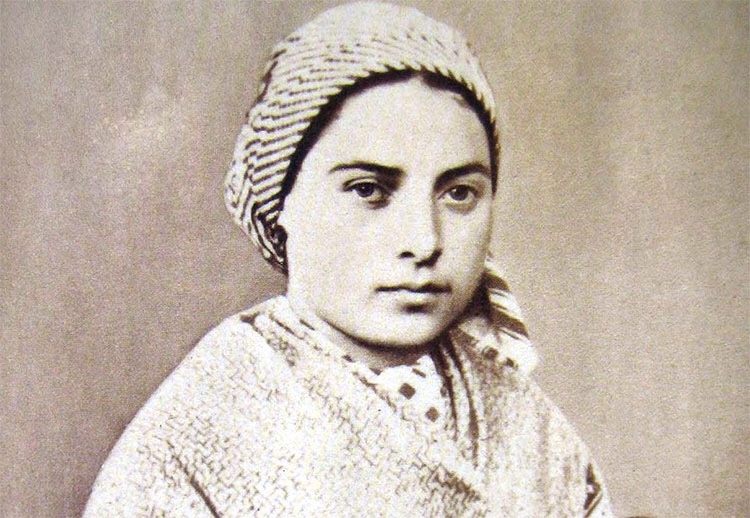
Bernadette’s Testament of Gratitude
Recently I was having dinner with a friend who spoke to me about Tadeusz Dajczer’s book The Gift of Faith.
My friend had found this among the most startling and edifying spiritual books he’d read. In particular, he had been struck by the inclusion of St. Bernadette’s “Testament of Gratitude.”
Written shortly before her death from illness at a young age, my friend initially thought this “testament” was rather sarcastic and facetious.
Continue readingPursue Peace Anyway
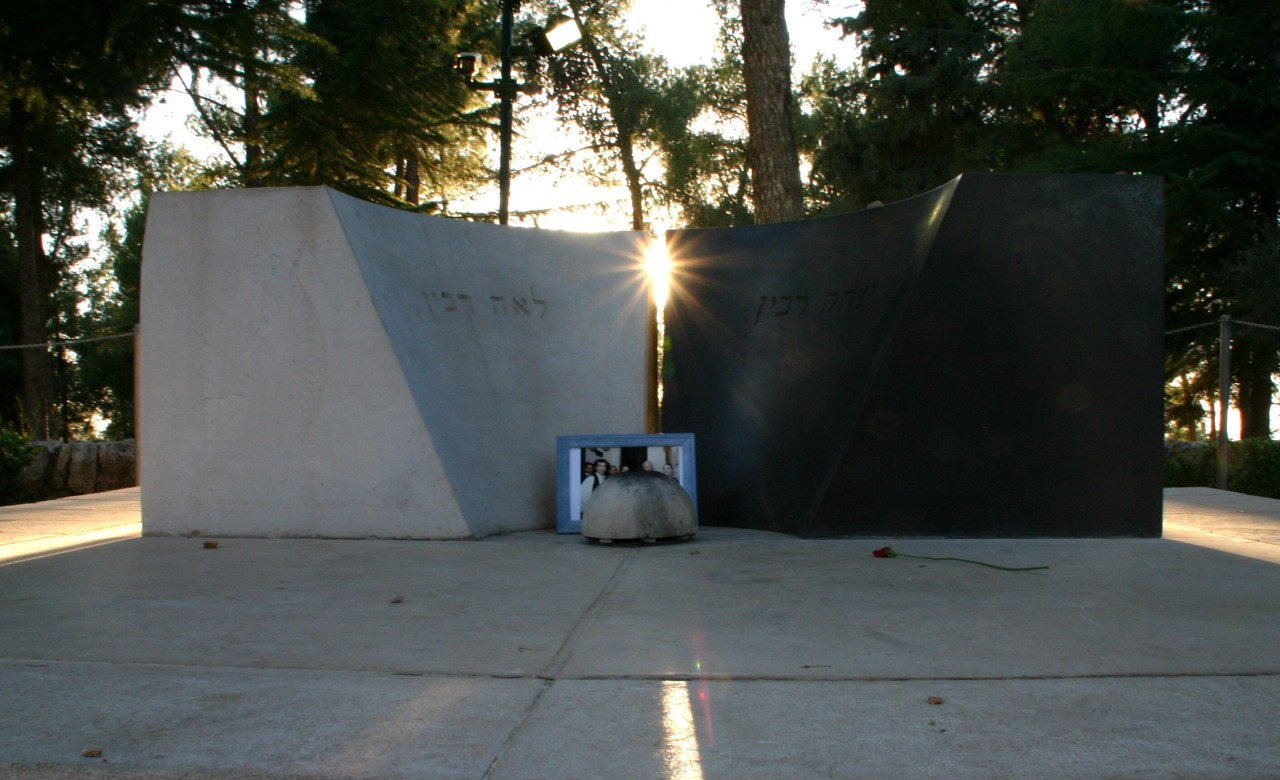
Usually, on the anniversary of the assassination of Yitzhak Rabin, I like to re-read what ended up being his final speech.
He began:
Continue readingPermit me to say that I am deeply moved. I wish to thank each and every one of you, who have come here today to take a stand against violence and for peace. This government, which I am privileged to head, together with my friend Shimon Peres, decided to give peace a chance–a peace that will solve most of Israel’s problems.
I was a military man for 27 years. I fought so long as there was no chance for peace. I believe that there is now a chance for peace, a great chance. We must take advantage of it for the sake of those standing here, and for those who are not here–and they are many.
At the Gates of Hell
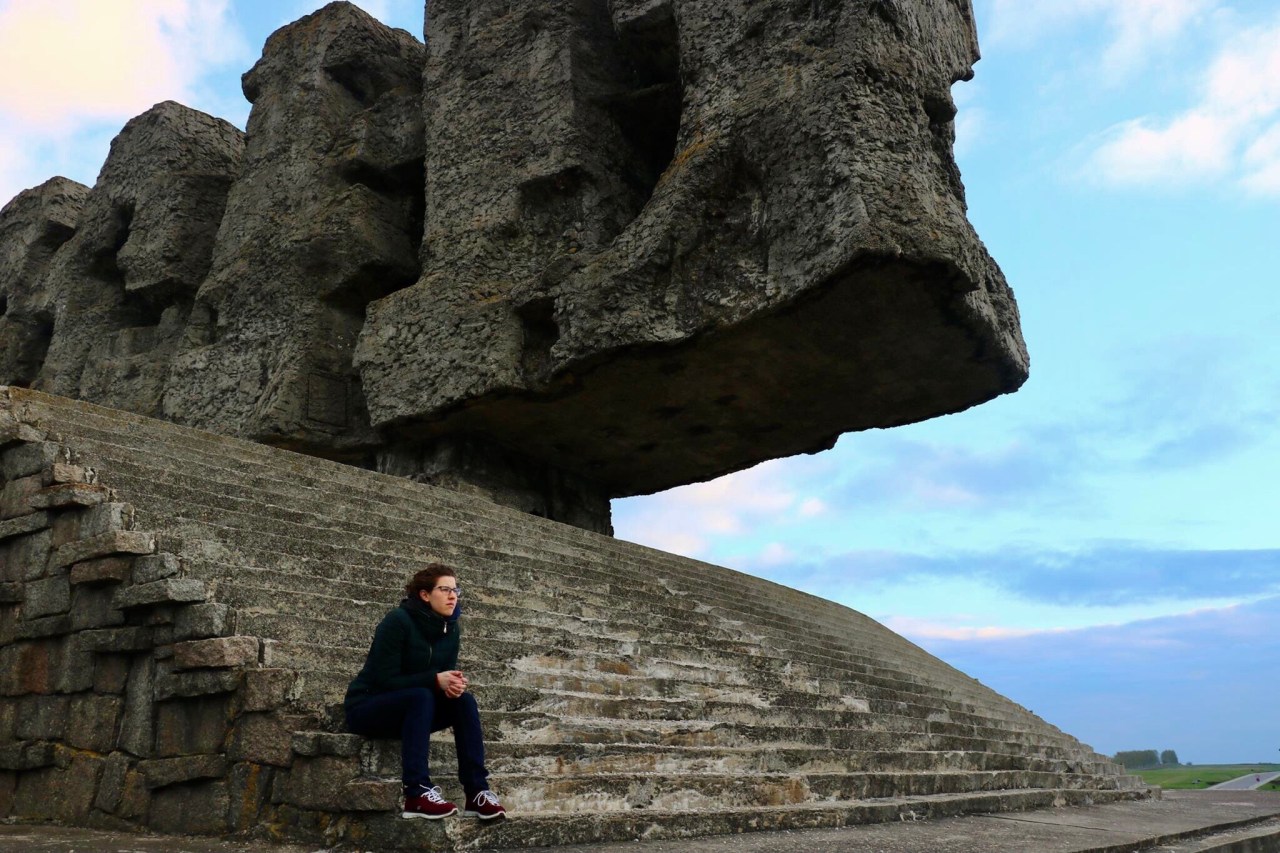
The monument at the entrance to the former Nazi concentration camp Majdanek was designed to be reminiscent of Dante’s Gates of Hell.
Into that secret place he led me on.
Here sighs, with lamentations and loud moans,
Resounded through the air pierced by no star,
That e’en I wept at entering.
– Dante
When I first visited this former camp in 2010, I never expected that I would ever return there. At the time, I did not even know where we were on the map. It seemed that we had been brought to the brink of an abyss, and that even our own existence became more tenuous as we stood there.
I will always remember pressing my hand against that massive, imposing monument and praying: “Lord, etch this experience on my memory and engrave this upon my conscience because I don’t want to ever forget the testimony of the survivors that I’ve heard in this place.”