The beauty of deeds without repayment

This evening my friend shared a story with me about a couple she knows.

The couple is in their 80s and both the husband and wife are undergoing the loss of their memory.

This couple has been married for more than sixty years and they have three adult children.

One son and one daughter, who each have families of their own, have been committed to caring for their aging parents in the home in which they had all spent their life together as the children were being raised.

In an effort to preserve the routine and normalcy of family life, and in order to avoid needing to put the parents into a long-term care home, the adult son and daughter have developed a ritual of care.

Every single day, for the past six years, the daughter arrives to the home at 11:00 a.m. to serve her parents lunch.

And every single day, for the same six years, the son has arrived at 5:00 p.m. to serve dinner to his parents and then to open the door to the personal support workers who then take over in assisting with the parents’ care into the evening.

Continue reading

Caregiving as a school in humanity

This evening I read a short book written by my friend and colleague’s grandmother.

In the brief memoir, Walk with Me: growing rich through relationships, author Judy Rae reflects on the experience of caring for her husband Joe while he developed Alzheimer’s.

Presented with honesty and infused with a faith, Rae offers a window into how caregiving can be a school in humanity.

Judy recounts the pain and sorrow of watching her husband lose his memory and she does not skirt the undeniably tragic dimensions of this disease.

“I have been told that when a person is diagnosed with Alzheimer’s disease, he is introduced to a world of loneliness, rejection, terror, confusion, misinformation, and termination. Can this tragedy bring with it any victory into our lives?” she asks.

Rae speaks about how Joe became embarrassed and humiliated by what he could no longer do or remember. Despite the continual accompaniment, affection, and affirmation of his wife, Joe’s feelings of uselessness regularly caused him to get frustrated with himself and even to cry.

Continue reading

Who exactly am I?

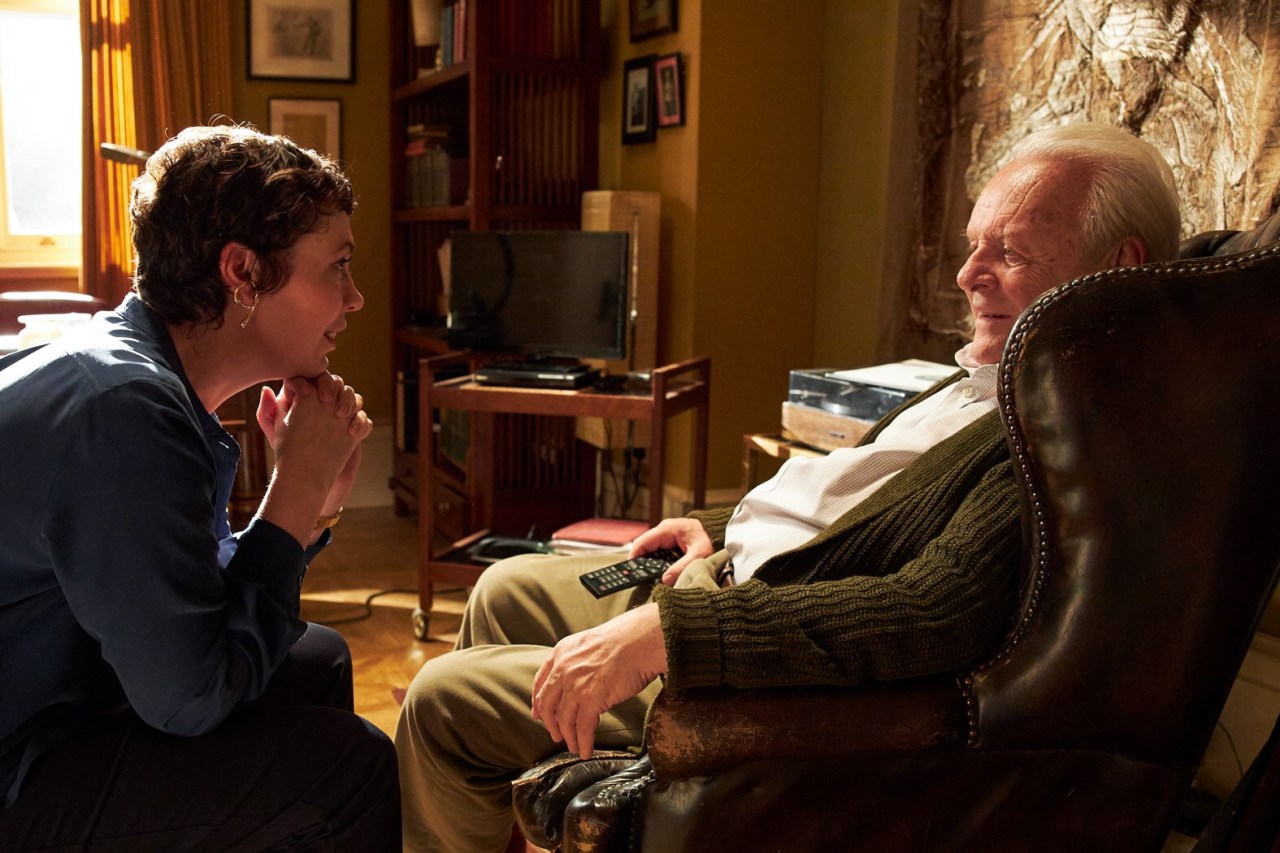
This evening I watched the film “The Father” – a drama that follows an elderly man’s experience of dementia.

The film is masterfully done and its artfulness consists in the way in which the disorientation and confusion of memory loss is simulated for the viewer.

Take a look at the trailer:

This film caused me to wonder: Why do Alzheimer’s and dementia happen specifically? I don’t mean biologically and physiologically, but rather existentially. What does it mean for humans to be the kinds of beings who, at the end of a long, successful, flourishing life can sincerely ask, “Who are you?” and “Who am I?”

Continue reading

Is your work to die for?

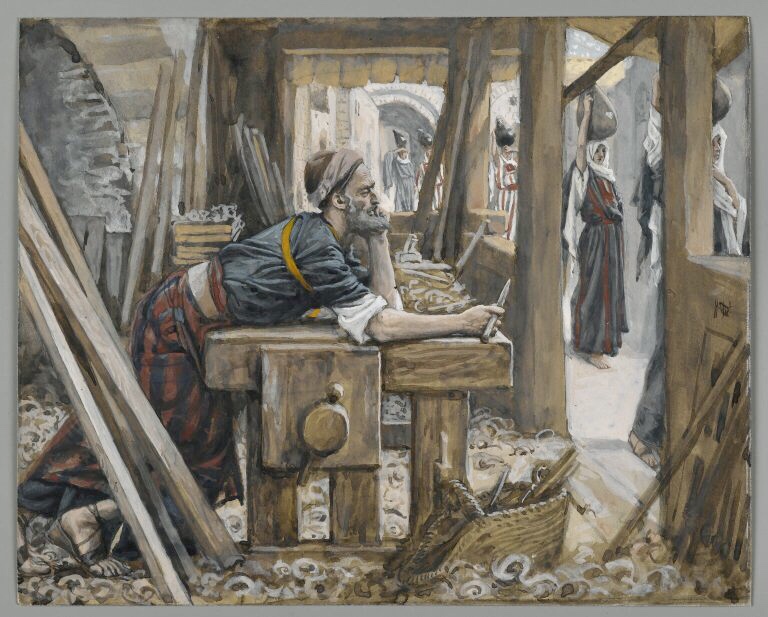
Today is the feast of St. Joseph the Worker and this post examines Pope Francis’ beautiful Apostolic Letter “With A Father’s Heart” to explore the practical ways in which we can see work as a context for self-gift through which we fulfill the meaning of our lives.

I have organized the themes of the letter into the following eight categories. Each category begins with a excerpt from the letter and then includes a question or two for our contemplation of some possible practical applications.

1. Names and Relationships:

Continue reading

Chasing Memories

This evening a friend of mine shared with me about how she had led what she described as “a pretty death-free life” until the death of her grandmother.

Since my friend was a already adult when her grandmother passed away, this experience led her to make a few observations.

First, she noted that this grandmother, who had been a quiet, trusted presence in the family until the end of her life, was somewhat taken for granted by the other family members who presumed that this matriarch would somehow always be there.

Then, when she passed away, my friend said, “She became her whole life. Suddenly, everyone was pulling out family photos and trying to piece together the narrative of her early life. She became 5-year-old her, and 20-year-old her, and wedding day her, etc. seemingly all at once.”

The other realization my friend had was about all of the things that she didn’t know about her grandmother; her grandmother’s death became a reckoning for what my friend had and hadn’t taken the time to learn about her.

After losing a loved one, many people wish that they had taken the time to interview the person, to ask certain probing questions that never seemed urgent before, and to really capture a person’s story in their own words.

Accordingly, think of those you love the most and set out to encounter them in their depth and to record this encounter through writing, audio, or video. In the future, you may be very grateful for having done so, but the activity will also present the occasion for an encounter of depth during the relationship while you are both alive.

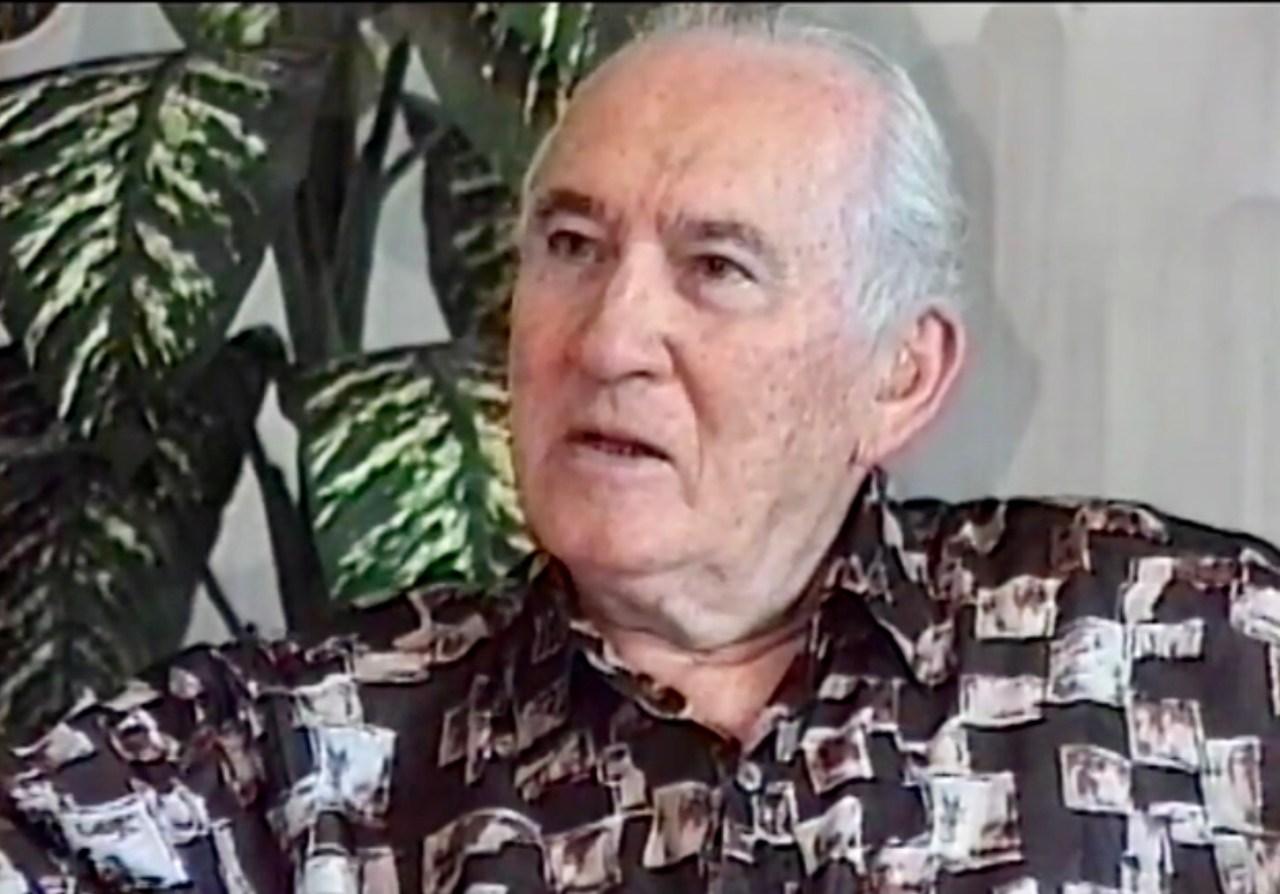
Photo: Screenshot from an hourlong video interview of my Zaida telling the story of how he came to Canada from Poland in 1937.

Meet the People Granting Wishes to the Dying

One of this blog’s readers, Lisa Wright, reached out to me to share about the organization she co-founded called the Living Wish Foundation.

Lisa, who is an Registered Nurse specializing in palliative care, and her co-founders established the Foundation with the mission “to provide medically supervised and supported end of life wishes to patients in the region who are facing a terminal diagnosis.” They do this by granting wishes that enable patients to reframe hope so to enhance their quality of life until their death.

I was fascinated by this initiative, and delighted to interview Lisa by phone to learn more.

In particular, I wanted to hear from her about how granting wishes serves to “reframe hope.”

Continue reading

Facing Up to One Another

There is a philosopher named Emmanuel Levinas who said, “The relationship with the face is immediately ethical in nature. The face is what you cannot kill, or at least in the sense that says: ‘thou shalt not kill’.”

And so, whenever I see a news article accompanied by an image of an elderly person’s hand, or a syringe, or an empty hospital hallway, this quotation always comes to my mind. How different it is to actually see faces. It is almost as if seeing faces (even if only as images) is to be given a different set of facts altogether.

Continue reading

What We Gain From Loss

The remarkable poet Rainer Maria Rilke wrote more than fourteen thousand letters over the course of his life. A few years ago, an editor published a compilation of selected letters entitled, The Dark Interval: Letters on Loss, Grief, and Transformation.

Here is an excerpt from one of the letters that particularly struck me:

Continue reading