Moving into grief instead of moving on from it

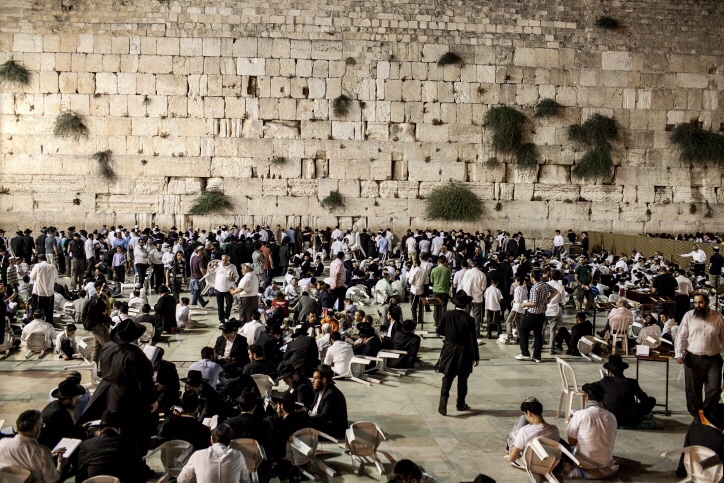
This past weekend (from Saturday night to Sunday night) was Tisha B’Av, the Jewish date for communal mourning of the destruction of the temples in the Jerusalem as well as all other tragedies that have befallen the Jewish people through history.

A few years ago, I had the opportunity to experience Tisha B’Av in Jerusalem and perhaps that will provide inspiration for another post.

Today, however, I wanted to share something I heard on Yocheved Davidowitz A Deeper Conversation podcast episode for Tisha B’Av.

In it, she discusses the solidarity Jews experience in mourning loss collectively and also the profound rituals Jews have for funerals and the grieving process.

Yocheved then discusses how, in her work as a therapist, she would notice the sense of dread people have about feeling sadness and mourning.
Continue reading

Initial hypothesis about resurrection

After nearly 200 days of blogging about death every day, where is this leading?

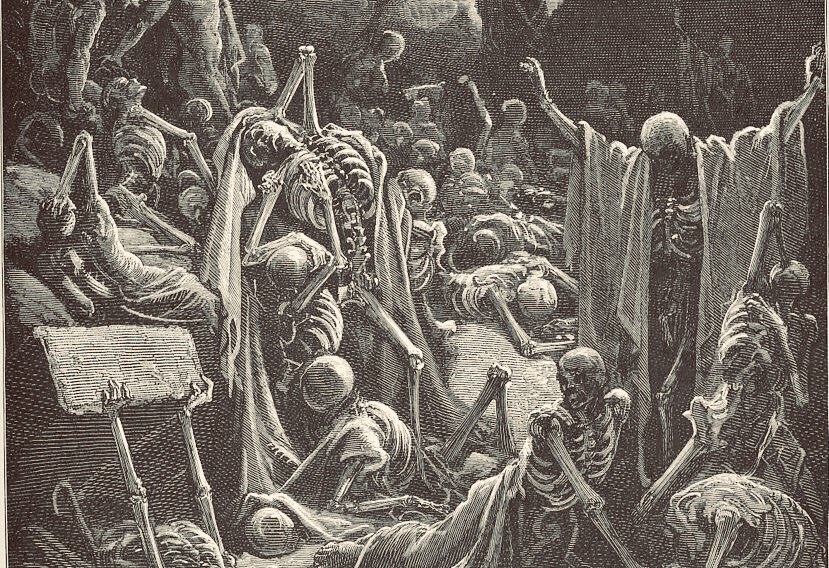
I find myself becoming fascinated and absorbed by the topic of the resurrection of the dead.

As a friend remarked to me the other day, this is one of the most fundamental beliefs underlying our civilization and yet, it is a teaching about which most people are, if they are being honest about it, rather incredulous or indifferent.

My very preliminary hypothesis is that belief in resurrection is subliminally decisive to how we live and that it has wide-ranging implications in ethics, technology, and culture.

To play with these ideas, we can ask: What difference does it make whether or not we believe in a resurrection of the dead? What are the practical consequences in our lives of its possibility or impossibility?

Another question: If people believed in the resurrection of the body, what would it change in our public bioethics?

I do not yet have many answers to propose. However, my first intuition is that the precariousness of our embodiedness needs redemption.

Whether this redemption is possible and whether we stake (or mistake) our hope about it in the correct place is, I think, a more interesting and practical question than many realize.

Death as gratitude

I love Rabbi Abraham Joshua Heschel’s writing so much.

It has that confident aphoristic quality to it that elicits attention.

Such is the case with his short essay entitled, “Death as Homecoming.”

Right at the beginning, Rabbi Heschel proposes that “in a way death is the test of the meaning of life. If death is devoid of meaning, then life is absurd. Life’s ultimate meaning remains obscure unless it is reflected upon in the face of death.”

Still, Heschel is keen to note that the Hebrew Bible and Jewish tradition do not stress “the problem of dying” so much as they stress “how to sanctify life.”

Continue reading

The Humanness of Burial

I was pleased to see Fr. Raymond de Souza’s piece in the National Post titled, “What happened at the Kamloops residential school was an offence against humanity.”

In it, he discusses the thought of Hans Jonas, a German Jewish philosopher about whom I wrote my undergraduate thesis.

Separately from that thesis but very much related to these themes, I wrote this short academic paper in 2017 about what it is that sets human persons apart from animals and machines.

Continue reading

Don’t make yourself afraid

One of the most well-known Hebrew songs, Kol Ha’Olam Kulo has these simple lyrics:

The whole world
is a very narrow bridge
a very narrow bridge

The whole world
is a very narrow bridge –
A very narrow bridge.

And the main thing to recall –
is not to be afraid –
not to be afraid at all.

And the main thing to recall –
is not to be afraid at all.

Continue reading

Parting Words

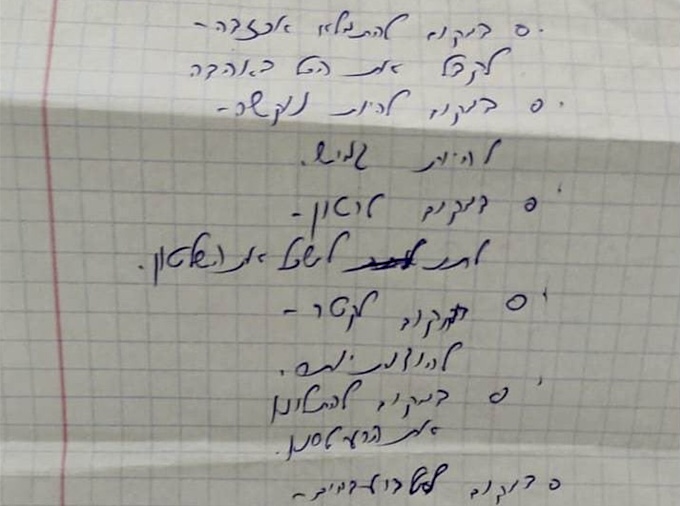
If you died today, what are the last words of yours that your loved ones might find in your bag, on your computer, in a text message, or on your desk?

One of the victims of the recent tragedy in Meron reportedly gave his friend an envelope and told him not to open it until Sunday.

Rabbi Shimon Matlon could never have imagined that he would die that very night and that his note would be opened not only to his friend but to the world.

According to this source, the letter said:

Continue reading

When genocide concerns you

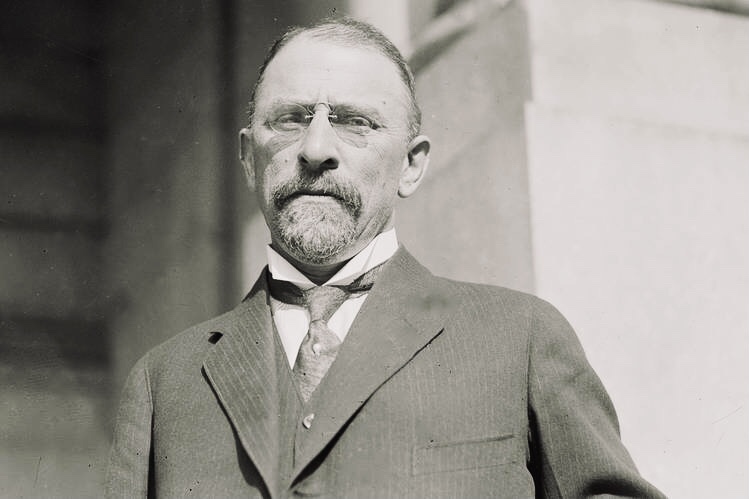
Today is Armenian Genocide Remembrance Day and I’ve been reading through Ambassador Morgenthau’s Story: A Personal Account of the Armenian Genocide while eating some Armenian snacks from my Ararat Box.

Genocide is a weighty word and the recognition of it implies our moral responsibility not to be bystanders to the egregious evils of which we admit being aware.

During the First World War, Henry Morgenthau, a German-born Jewish American was serving as the the fourth 4th US Ambassador to the Ottoman Empire.

As ambassador, he did his utmost to try to reason with the Ottoman authorities, to stop the genocide, and to implore the U.S. government on behalf of the Armenians, Greeks, and Assyrians who were being persecuted and massacred.

Continue reading

Resting in Abraham’s Bosom

Thomas Aquinas died on this date 747 years ago. Accordingly, I decided to see what came up first with a quick search about Aquinas on death. I was led to the Summa Theologiae and, specifically, to Question 69 on “Matters concerning the resurrection, and first of the place where souls are after death.”

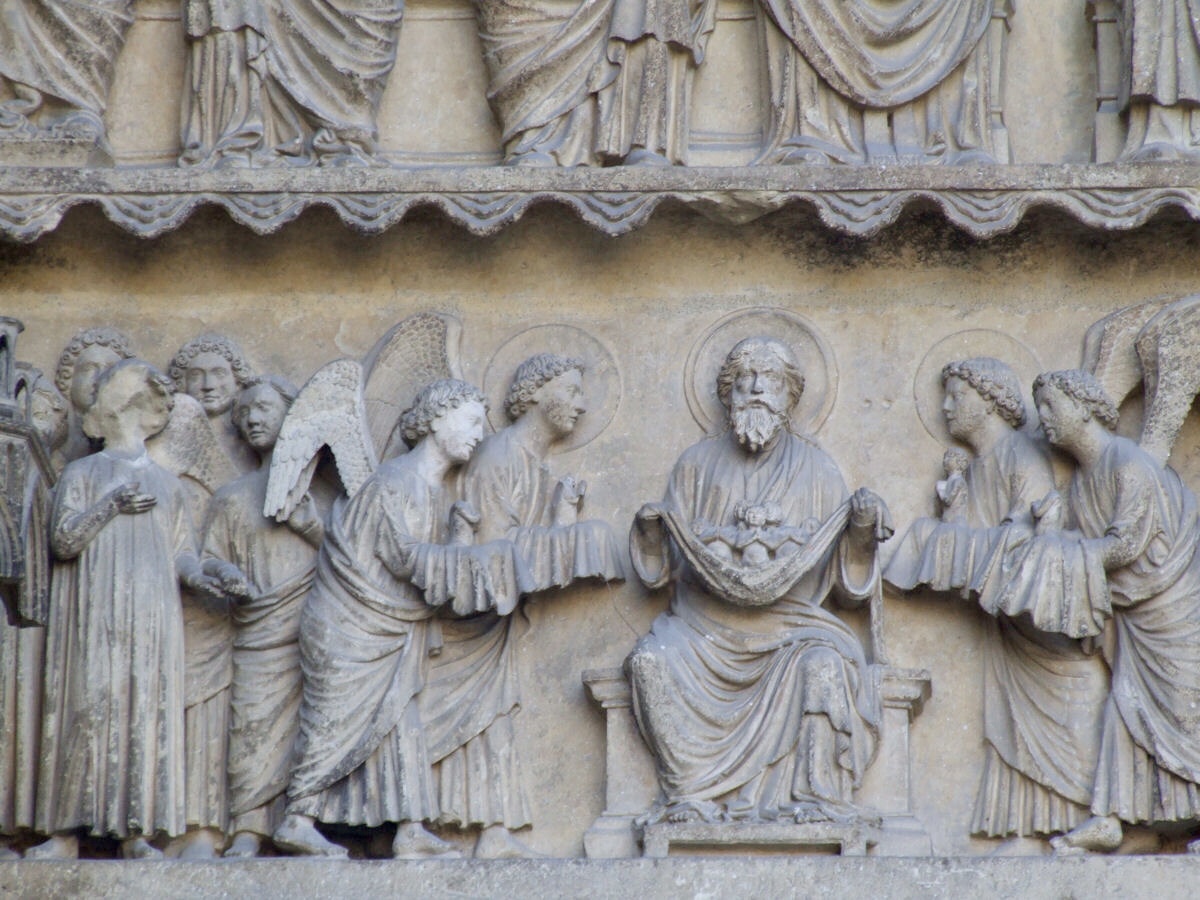
During his lifetime, Thomas Aquinas considered many questions that most people would never consider at all. Take, for example, Article 4 of Question 69 in which he asks: “Whether the limbo of hell is the same as Abraham’s bosom?”

I had not heard (or didn’t particularly recall hearing) of “Abraham’s bosom” but a detailed Wikipedia article discusses the concept as it appears in the Bible, Jewish and Christian history, and religious art and literature.

Continue reading

Dying to Contentment

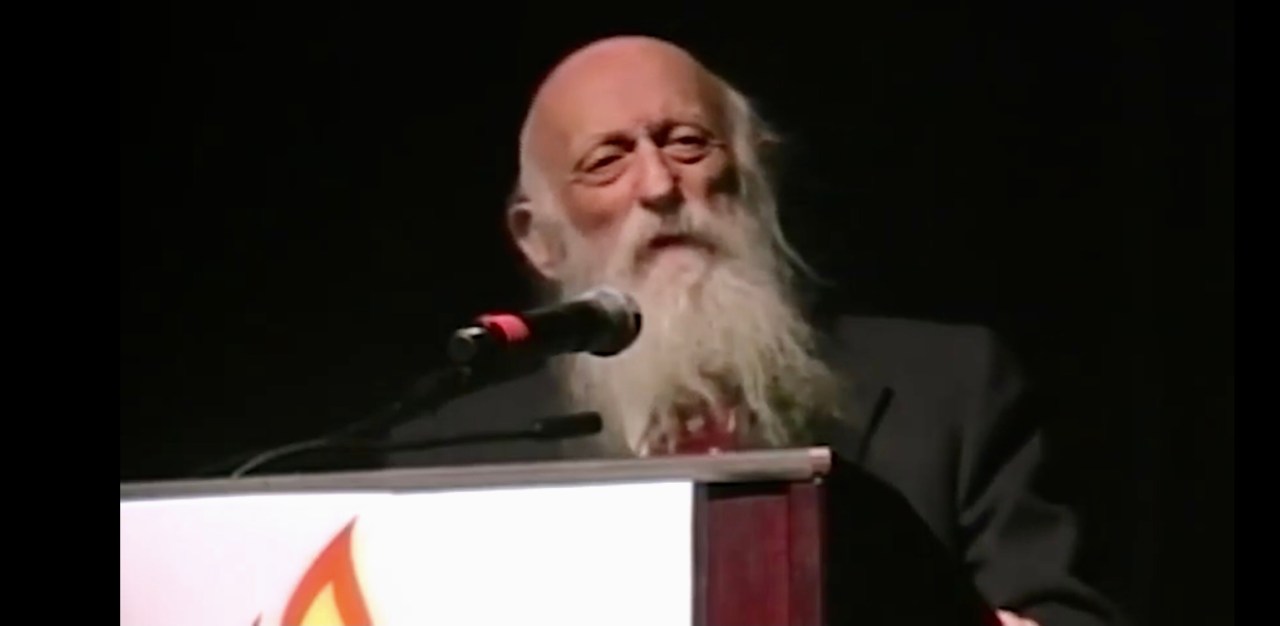
“I’ve never tried cocaine or heroin but I believe the people that tell me it’s a very pleasing, pleasurable feeling,” began Rabbi Dr. Abraham J. Twerski in this talk.

He goes on to discuss how Carnation has long sold evaporated milk with the slogan, “Milk from contented cows.” The rabbi continues, “If contentment is the excellence of a cow and all I look for in life is contentment, then I share a goal in life with a cow, and I’m not ready to lower myself to that stage.”

Rabbi Twerski thought there’s nothing wrong with being content but that making contentment a goal of life is an animal trait, not the human vocation.

Continue reading

What We Take With Us When We Die

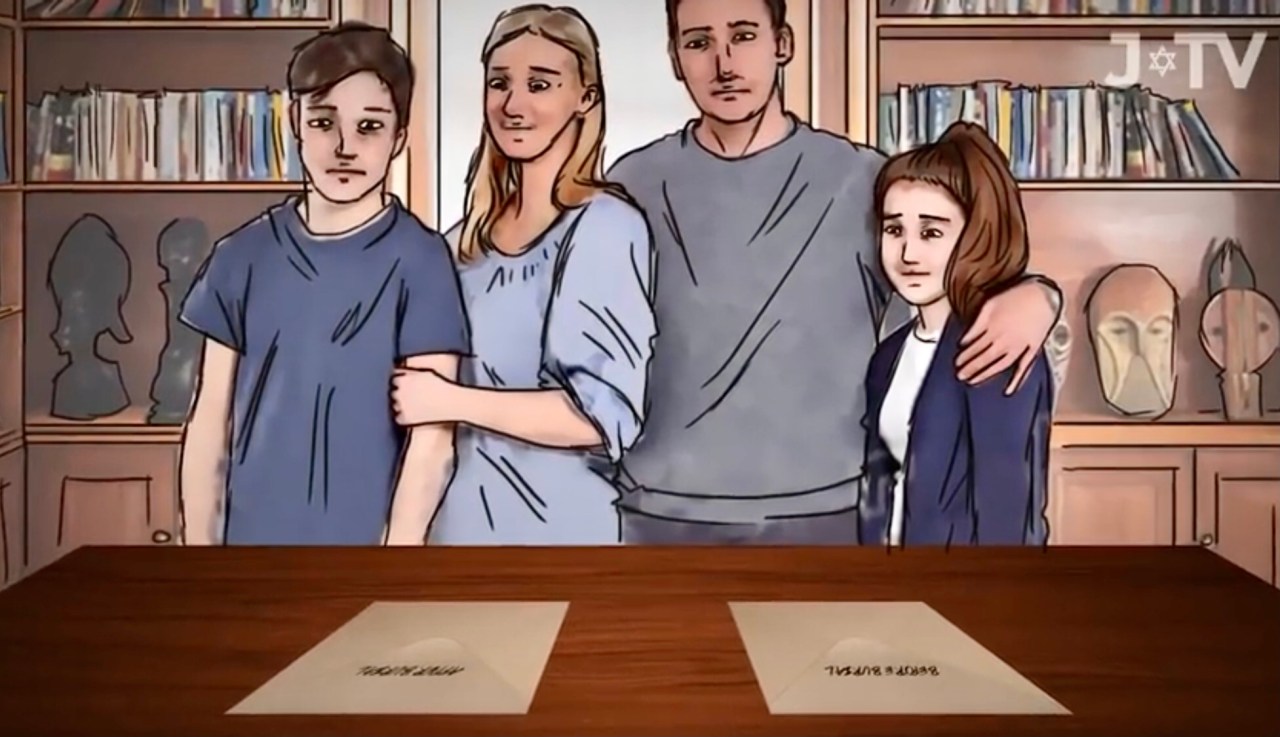
In my Jewish course on death, Journey of the Soul: A Fresh Look at Life, Death, and the Rest—in Peace, we learned the tale depicted in the video below about a Jewish billionaire whose request to be buried with his favourite socks was denied.

Take a look:

As the rabbi teaching my class said, “When we die, we don’t take our bank accounts with us, but only our charitable receipts.”