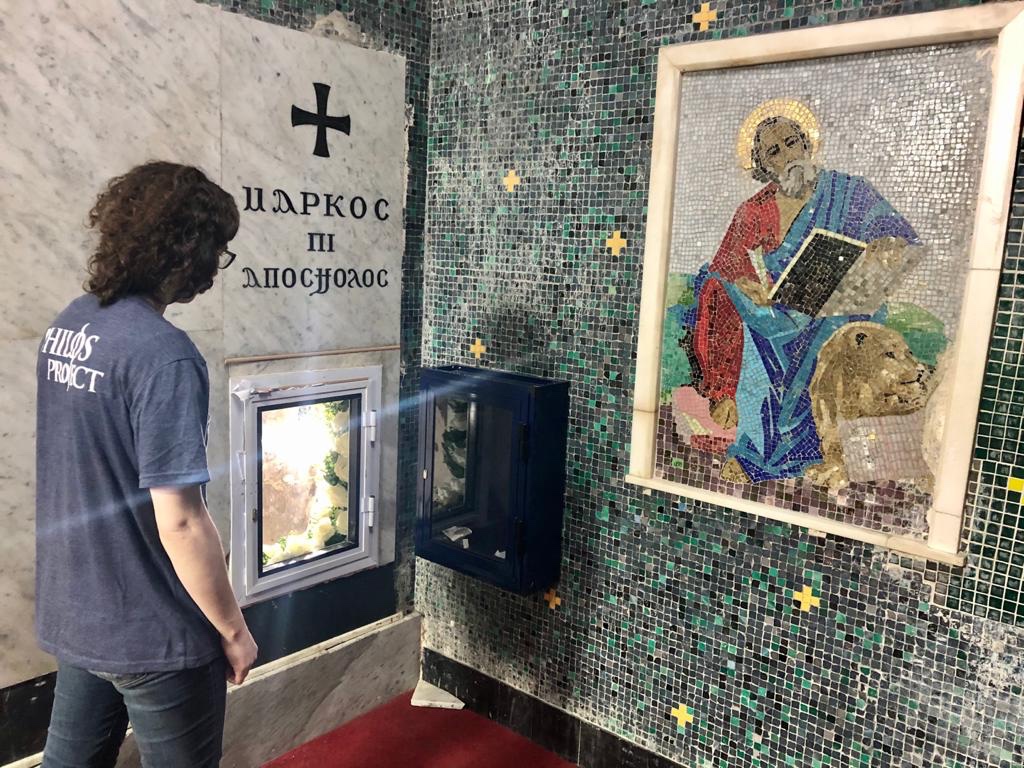
What would you die for?

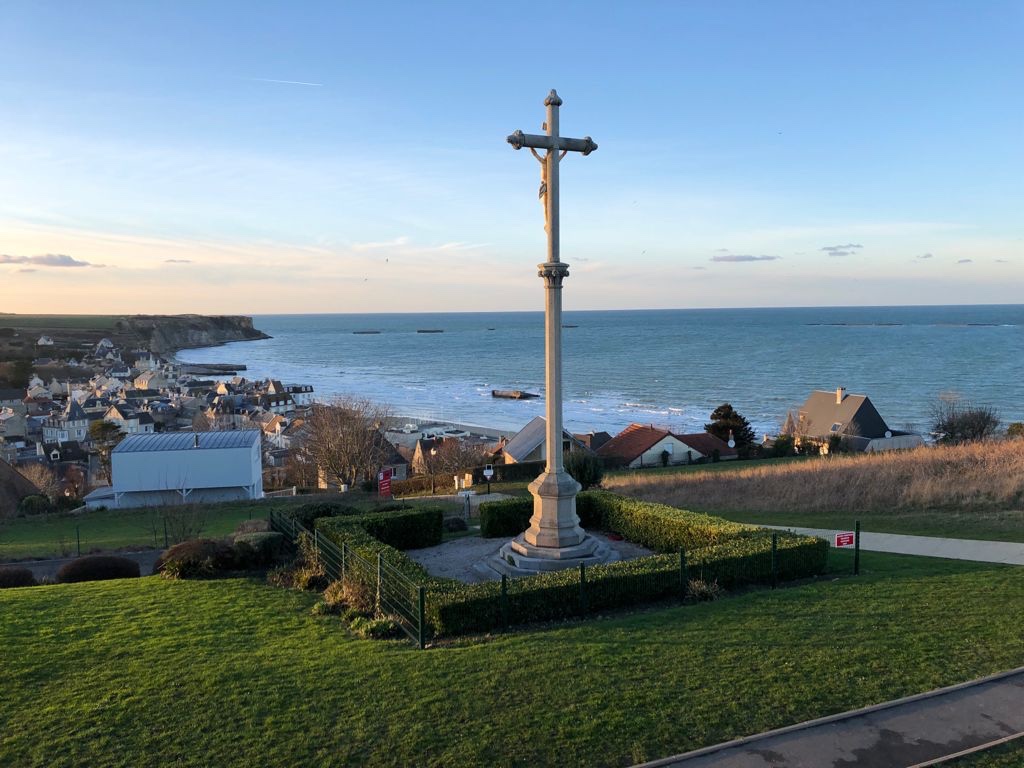
On this anniversary of D-Day, I have become curious about educational materials pertaining to commemorating the Canadian contribution at Juno Beach on June 6th, 1944.

I also think that the fact of having roadtripped throughout Normandy to visit these sites in 2018 contributes to my inclination to pay attention to these anniversaries personally.

The Juno Beach Centre provides various resources to educators to assist in teaching new generations about the Second World War and the cost it took to defeat the evil of Nazism.

I am not sure whether these are the kinds of lesson plans actually being used in schools, but here are a couple of the activities that I consider to be interesting and worthwhile exercises.

Example #1:
Continue reading

Where is Your Devotion to the Mystery of the Person?

Recently, I sat down with my friend Anna to listen to some of her stories.

It might surprise you that this young woman told me, “The happiest time of my life was working 16-hour days in a retirement home during COVID.”

“My body ached and my heart rejoiced,” Anna testified.

She spoke with such empathy about the elderly residents.

“Imagine! A person who has lived a hundred years might be reduced to ‘June at Table 20.’ The residents might have lived a long, fruitful life only to be reduced to their dietary preferences in their final months and years.”

Because Anna regards these seniors’ long lives with reverence, she does not like to see nor participate in taking such a reductive view of the human person.

Instead, she relishes doing her utmost to serve the residents and considers every conversation as an opportunity for a meaningful interaction.

“My favourite residents are the ones who would get agitated easily,” Anna told me. “And it became a challenge: ‘How can I make them happy?'”

Continue reading

Caregiving as a school in humanity

This evening I read a short book written by my friend and colleague’s grandmother.

In the brief memoir, Walk with Me: growing rich through relationships, author Judy Rae reflects on the experience of caring for her husband Joe while he developed Alzheimer’s.

Presented with honesty and infused with a faith, Rae offers a window into how caregiving can be a school in humanity.

Judy recounts the pain and sorrow of watching her husband lose his memory and she does not skirt the undeniably tragic dimensions of this disease.

“I have been told that when a person is diagnosed with Alzheimer’s disease, he is introduced to a world of loneliness, rejection, terror, confusion, misinformation, and termination. Can this tragedy bring with it any victory into our lives?” she asks.

Rae speaks about how Joe became embarrassed and humiliated by what he could no longer do or remember. Despite the continual accompaniment, affection, and affirmation of his wife, Joe’s feelings of uselessness regularly caused him to get frustrated with himself and even to cry.

Continue reading

Redeeming the time

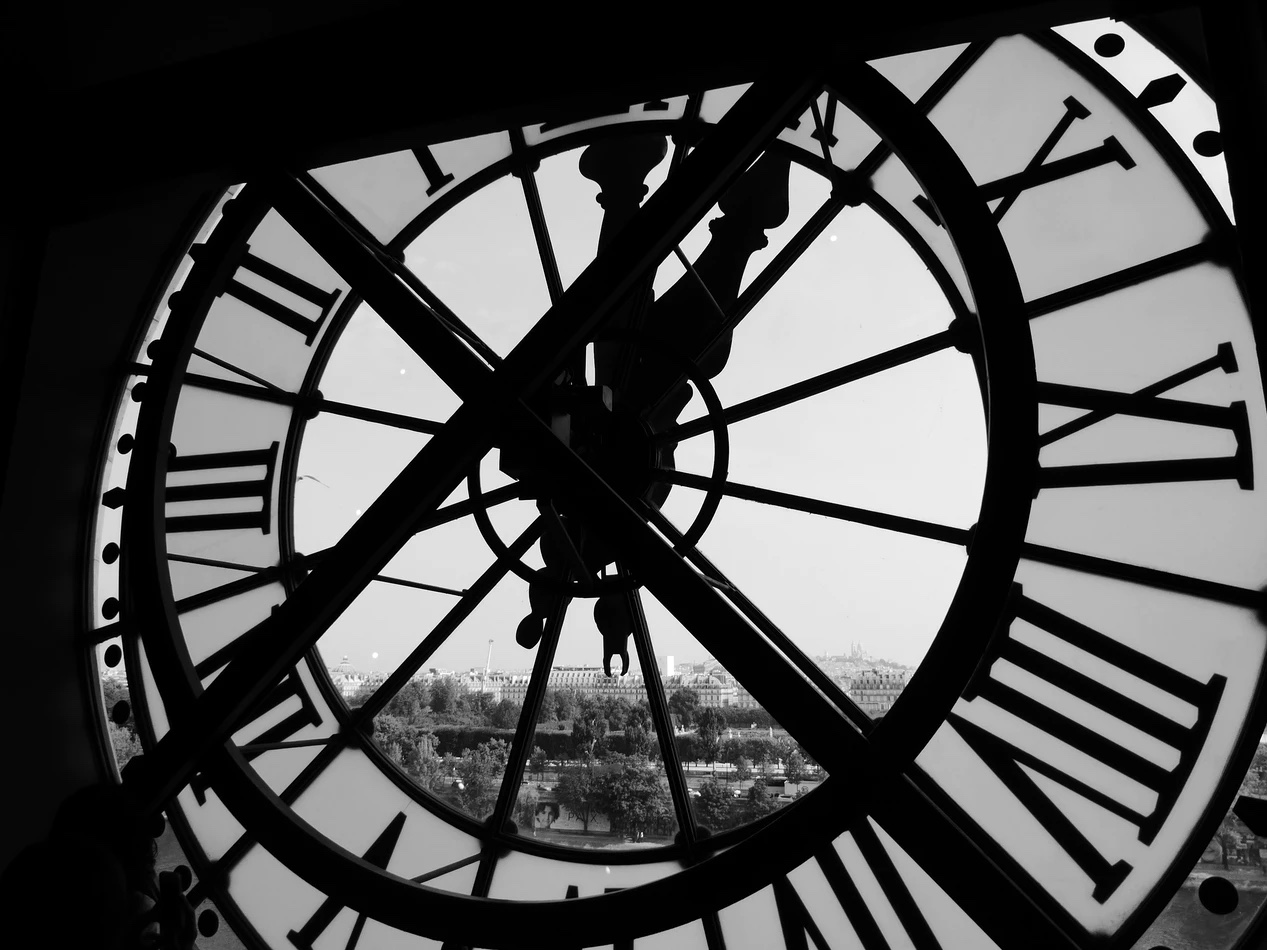
Sometimes I wonder about how we will look back at this Covid period of our lives.

Will this time be regarded as “lost years” or “missing years”?

Will we be able to recall events clearly or will they be blurred, absent the ordinarily vivid and communal expressions of milestones?

And, will trauma and grief be suppressed by gradual good humour and selective nostalgia?

In The Year of Our Lord 1943, Alan Jacobs writes about the effects of the end of World War II saying, “As war comes to an end, and its exigencies cease, and people return to a freedom absent for so long that its return is discomforting, they think of the apparent lawlessness of Nature and Man alike…”

A few pages later, Jacobs says:

Continue reading

Who exactly am I?

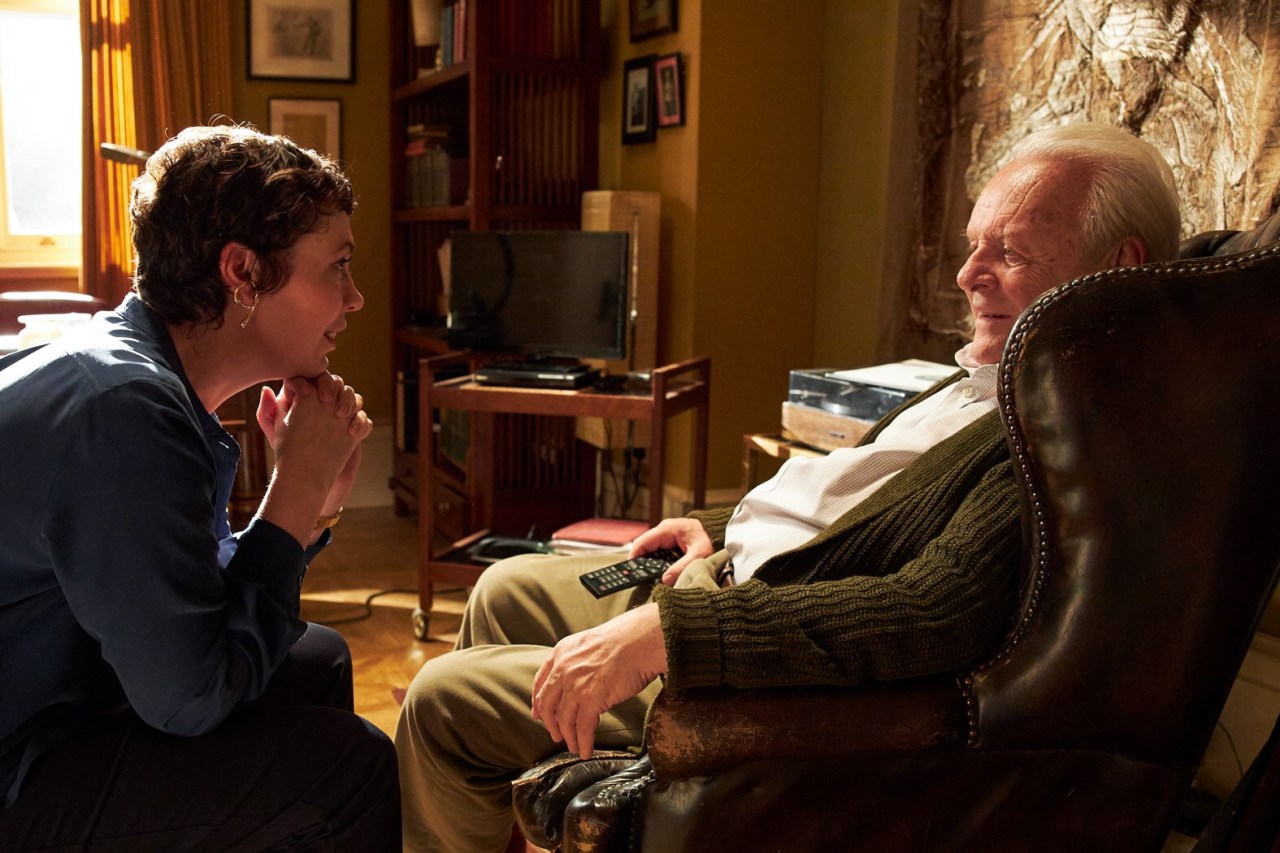
This evening I watched the film “The Father” – a drama that follows an elderly man’s experience of dementia.

The film is masterfully done and its artfulness consists in the way in which the disorientation and confusion of memory loss is simulated for the viewer.

Take a look at the trailer:

This film caused me to wonder: Why do Alzheimer’s and dementia happen specifically? I don’t mean biologically and physiologically, but rather existentially. What does it mean for humans to be the kinds of beings who, at the end of a long, successful, flourishing life can sincerely ask, “Who are you?” and “Who am I?”

Continue reading

Can we learn to die?

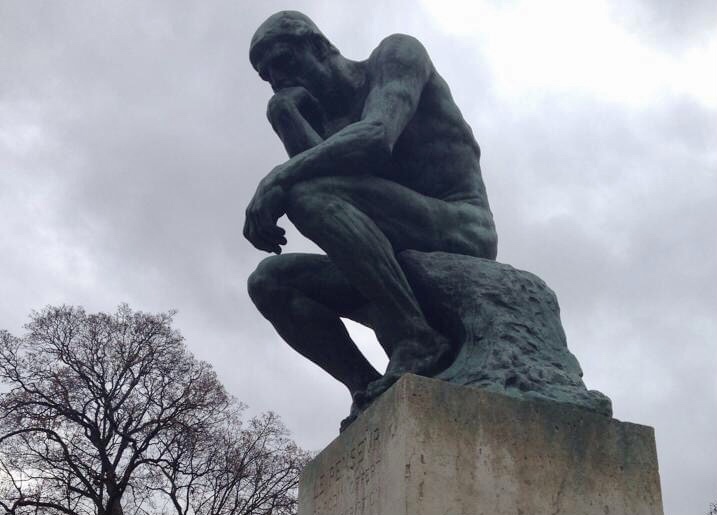
I do not suppose that thinking and writing about death every day will necessarily make it any easier to die one day or will make me any better at it.

I do know, however, that I will not always be in a position of wanting to think and write about these topics and so now is the time for it.

In Josef Pieper’s Death and Immortality, I just came across this excellent paragraph:

As a general rule, so-called “thinking about death” is probably a poor way of learning to die. Georges Bernanos in one of his last imaginative works, the Dialogues des Carmélites, has the dying prioress say: “I have meditated on death every hour of my life, but that does not help me at all now.” And when the philosopher Peter Wust learned for certain that he would never leave his sickbed, he asked in a diary note, evidently with profound surprise, why all philosophy failed him now.

Continue reading

Is your work to die for?

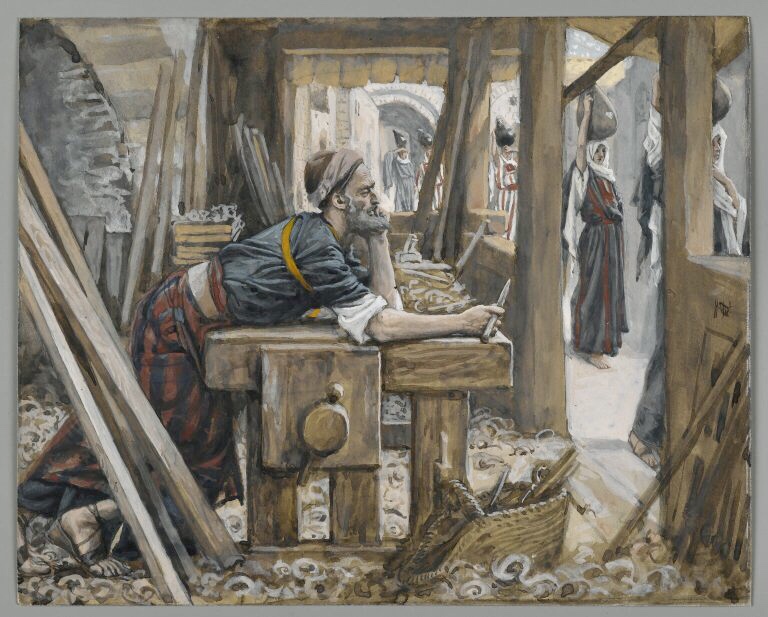
Today is the feast of St. Joseph the Worker and this post examines Pope Francis’ beautiful Apostolic Letter “With A Father’s Heart” to explore the practical ways in which we can see work as a context for self-gift through which we fulfill the meaning of our lives.

I have organized the themes of the letter into the following eight categories. Each category begins with a excerpt from the letter and then includes a question or two for our contemplation of some possible practical applications.

1. Names and Relationships:

Continue reading

Marking Time: Do you remember where you were when… ?

“So teach us to number our days
that we may gain a wise heart.”
– Psalm 90:12

I remember seeing the news of Palm Sunday church bombings in Egypt on my phone while I was in Poland.

I had not been to Egypt before but of course the photos gripped me.

That was a year that the Western and Orthodox calendars synced up and so Christians worldwide were commemorating on the same day Jesus’ triumphal entrance into Jerusalem before his Passion.

That suicide bombers charged into two Alexandria churches on this date and in this way indicates that their intent was to wreak not only destruction but desecration.

What was the impact of looking at the those photos on my phone in a small Polish church?

Continue reading

I Want What You Have Lived And Suffered

Among my hobbies these days is attending a bioethics book club every two weeks on O. Carter Snead’s new book What It Means to Be Human: The Case for the Body in Public Bioethics. The book is about how the dominant view in our time of persons as expressive individualists contradicts the lived experience of our embodied reality. Snead analyzes why we go astray in our public bioethics when we do not account for the realities of vulnerability and mutual dependence in and throughout our lives.

Most recently the study group finished reading the chapter on Death and Dying. In it, Snead notes: “By far the most common rationales cited for seeking assisted suicide were concerns about ‘losing autonomy’ (92 percent) and being ‘less able to engage in activities making life enjoyable’ (91 percent).”

Since there are many reasons why we can lose autonomy and the ability to engage in activities that make life enjoyable, it is worth scrutinizing these ideas of “freedom” – the loss of which risks rendering life seemingly not worth living.

I am reminded of Russian filmmaker Andrey Tarkovsky’s reflections. In Sculpting in Time, he says: “And the longer I lived in the West the more curious and equivocal freedom seems to me. Freedom to take drugs? To kill? To commit suicide?”

He goes on:

Continue reading

Are your affairs in order – now?

If you died today, how would people find your office, your bedroom, your bookshelves?

What would happen with your email, your social media, your bank accounts?

Who would you have wanted to forgive? To pay back? To return to with gratitude?

Many people cannot die well because of leading lives that are not yet in any meaningful order.

Before I take a trip, I often organize my bedroom and office so that – were I to die during the trip – my possessions would reflect my priorities and the order in which I had them would (hopefully) be a reflection of my soul when I had left them.

“Putting our affairs in order” has become an idiom for a one-time event when, in fact, we are all meant to put our affairs into order each day.

Augustine even described peace as “the tranquility of order.”

And so, if we want to eventually rest in peace, then we’ll need to live our lives in order.