Having something at stake

This weekend I read Sohrab Ahmari’s new book The Unbroken Thread. While there is much upon which I could comment and that I plan to discuss with friends, for the purpose of this post I refer ever so briefly to his final chapter on death.

In this concluding chapter, Ahmari raises his twelfth question of the book: What’s Good About Death? (The other day an excerpt of this chapter was published, here.)

Throughout this section, Ahmari largely discusses Seneca, a Stoic philosopher who said, “Whoever doesn’t want to die, doesn’t want to live.”

In considering why this is, Ahmari explains:

Here is why: The state of being alive—fully alive—is possible only in relation to an endpoint, death. It is the certainty of an end to life that allows us to appreciate sacrifice, heroism, love, beauty, the kind of virtuous life a man like Seneca lived of the self-sacrificing death of a Maximilian Kolbe. As any decent novelist or screenwriter knows, if there is nothing at stake in the story, the story is boring. If there is no final terminus to life, life loses its vitality, its zest, its drama.

What is good about death is that its inevitability means that there is always something at stake in life.

The vulnerability of life increases its preciousness; the risk in life increases the adventure.

This “goodness” of death does not diminish grief or sorrow, though. Instead, it makes the drama of human responses to death intelligible, meaningful, and even capable of pointing beyond themselves to realities transcending this-worldly concerns.

Prepare to fall

This evening I was speaking with one of my dear friends who is a doctor.

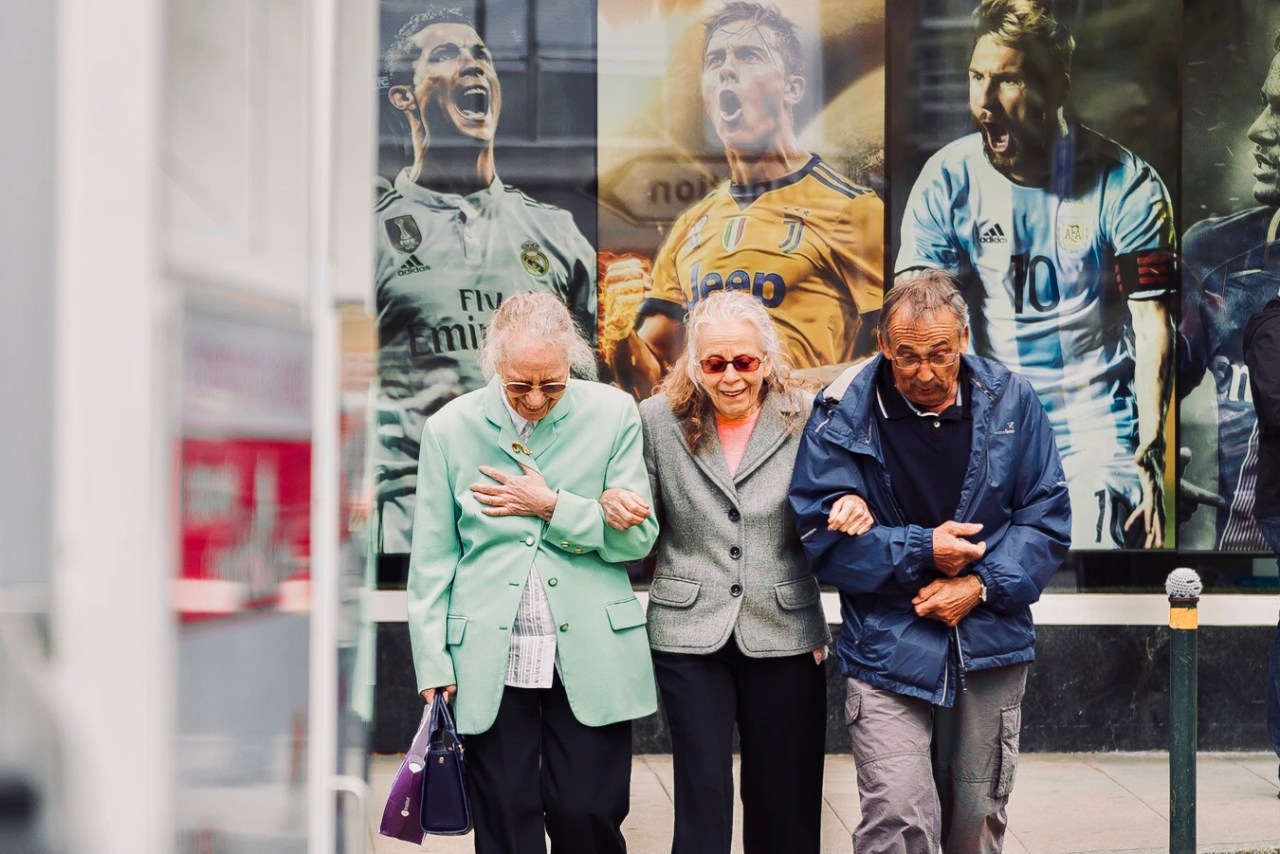
She told me, “I know you’re looking for uplifting stories for your blog, but lately I have been seeing a lot of elderly patients who have had bad falls. Since many of them live alone and are not able to get back up by themselves, sometimes they are not found until the next day or two. When that is the case, the person may be found sitting in their own feces or urine, profoundly helpless, until a support worker or relative comes to visit.”

Of course the best situation is when a vulnerable person can live in a family home so that their presence and wellbeing is continually and naturally monitored by their loved ones. The next best thing for the elderly would be to live in retirement homes where many services are provided and there are attendant nurses. This, however, is quite expensive and not within everyone’s reach.

On hearing about this from my friend, I remembered a recent conversation I had with a senior buddy of mine with whom I have been having weekly phone calls throughout the pandemic.

He and I have never met, but we have sure gotten to know one another through our Wednesday visits.

This gentleman with whom I speak just turned 90-years-old. His wife passed away last year and so he lives alone. Some of his adult children who live in town visit him and each week he brings his 88-year-old sister some shawarma.

Continue reading

All the skulls looked the same

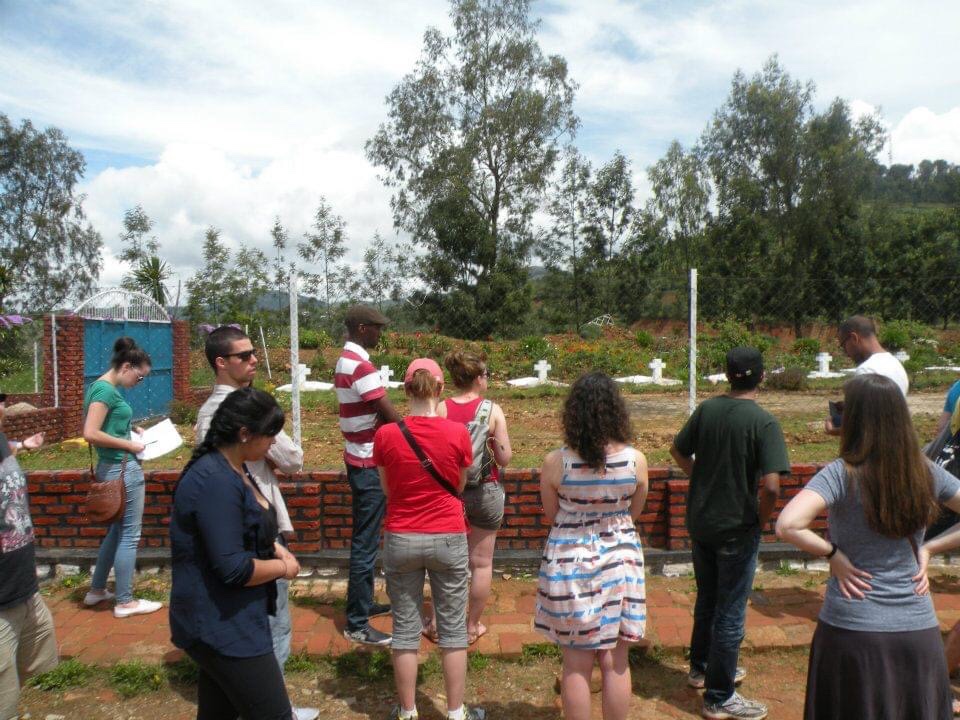
Nine years ago today, I was visiting the Kigali Genocide Memorial during the Reflections on Rwanda study trip.

Both at the museum, and then at numerous genocide sites we visited throughout the country, there was a room filled with the skulls and bones of victims.

What is the value of such genocide education where new generations see the bodies of victims of in this way?

For me, it was quite dramatic. I don’t think I had ever seen real human skulls before. Knowing the reasons for these ones being on permanent display heightened the intensity.

Continue reading

A Patient’s Fight to Be a Protagonist

Today is the 40th anniversary of the attempted assassination of Pope John Paul II.

Cardinal Stanislaw Dziwisz, the pope’s longtime secretary, was in Rome today marking the occasion and remembering cradling the pope as he felt “his body slip as if paralyzed and fall into my arms.”

The cardinal also reflected, “Today, 40 years after that event, and 16 years after his death, I think with fear of what it would have been like if we had lost him in St. Peter’s Square back then. How poor and different the world and our homeland, Poland, would have been without his witness of faith and doctrine, without his indications and his warnings in the face of the dangers and turmoil that can threaten us in today’s world.”

Continue reading

An Appetite for Affection

The other day I was having a call with my aunt and godmother who is a hospice nurse in the U.S.

She had texted me to ask, “Have you talked about dying and food? How our bodies need less and less but families want to keep feeding the dying person? Food = Life = Love. It’s quite a psychological issue.”

I was interested to hear more from her about this, so I gave her a call.

She told me, “I have some patients who, if left on their own, wouldn’t eat. They would just stop eating and it’s not that they would be starving. It’s simply that their body doesn’t need the food anymore because they are approaching death. However, their loved ones worry they’ll starve and so they think that they must feed them.”

Sometimes hospice caregivers will spend an hour trying to feed someone a bowl of oatmeal or three hours trying to feed someone a shake, she told me.

My aunt expressed some frustration over this saying that is makes her wonder: “Why are you doing this? You’re forcing it.”

Continue reading

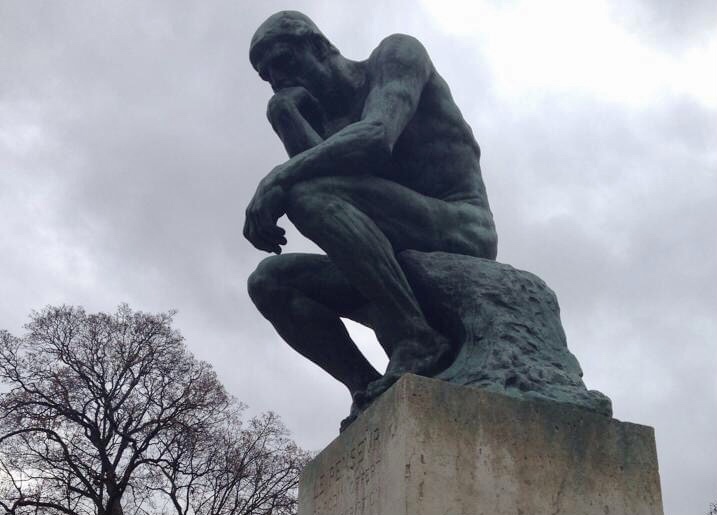
Can we learn to die?

I do not suppose that thinking and writing about death every day will necessarily make it any easier to die one day or will make me any better at it.

I do know, however, that I will not always be in a position of wanting to think and write about these topics and so now is the time for it.

In Josef Pieper’s Death and Immortality, I just came across this excellent paragraph:

As a general rule, so-called “thinking about death” is probably a poor way of learning to die. Georges Bernanos in one of his last imaginative works, the Dialogues des Carmélites, has the dying prioress say: “I have meditated on death every hour of my life, but that does not help me at all now.” And when the philosopher Peter Wust learned for certain that he would never leave his sickbed, he asked in a diary note, evidently with profound surprise, why all philosophy failed him now.

Continue reading

Making space for marking loss

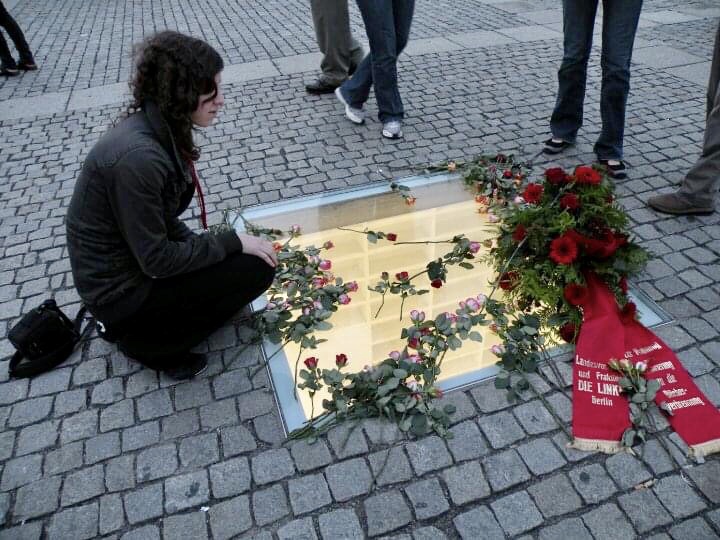
Eleven years ago today, I was in Berlin embarking on the 10-day March of Remembrance and Hope Holocaust study trip with sixty Canadian students and two survivors.

It is not an exaggeration to say that there has not been a day of my life since that trip that I have not recalled it in some way.

Contending with morality and mortality as a young adult through this trip remains among the most formative and orienting experiences of my life.

One of the first sites we visited is pictured below. As we stood there, we weren’t quite sure what we were meant to see. But gradually, with the help of our guide, this memorial came to life for us.

Continue reading

“Don’t Wait to Honour Your Mother”

This Mother’s Day Weekend, I attended mass in a church parking lot listening to Fr. Ken speak over radio from an Outdoor Chapel that was built by the Knights of Columbus.

My friend and I – as I’m sure is true of all parishioners – were saddened to hear from Fr. Ken that both his mother and father passed away earlier in the week due to COVID complications they suffered in the Philippines.

During the homily, Fr. Ken spoke a bit about his parents in connection to the Gospel and to Mother’s Day.

First, he spoke about how he is surprised by many of the memories being shared about his parents.

While his father was the friendly extrovert, his mother had been more discreet and introverted.

And so, Fr. Ken was not surprised with what people have been saying about his father but when it comes to his mother, he said he is hearing all of these new stories about her hidden generosity and thoughtfulness from so many people that he had not known she had touched.

Fr. Ken spoke about how his parents made a great team. His mother was good at business and sales and his father was good at networking and PR.

Continue reading

To the Tomb of a Teacher

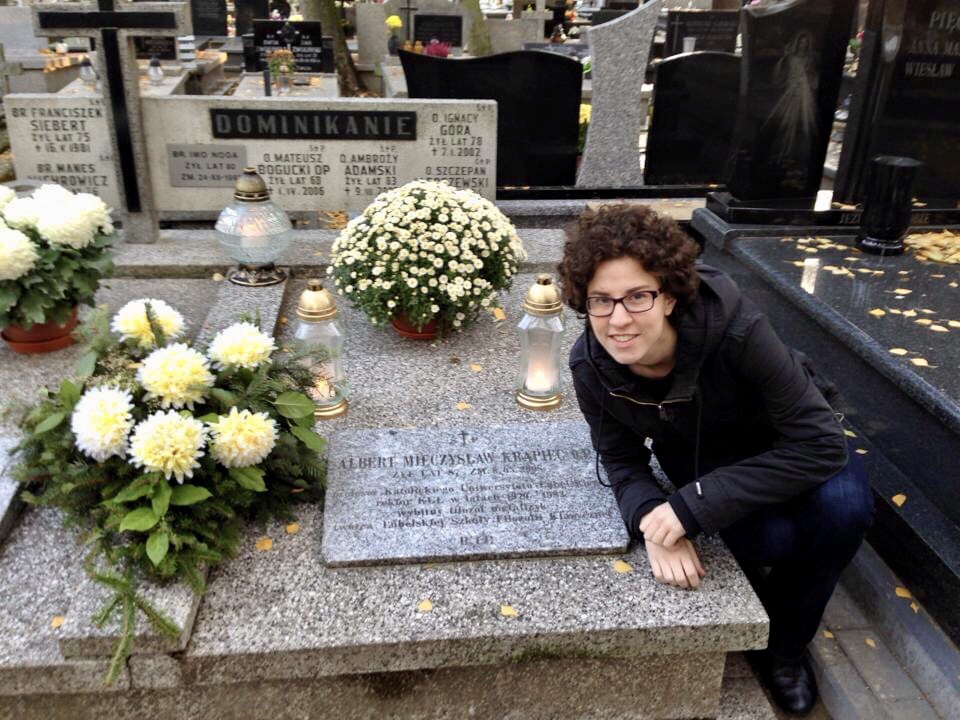
On this date in 2008, Mieczysław Albert Maria Krąpiec OP, passed away.

I learned about this man as I gradually also learned how to pronounce his name.

This Polish priest-professor was a former rector of my university and is considered the founder of the Lublin Philosophical School – the most notable proponent of whom became Karol Wojtyła/Pope John Paul II.

It was in my very first week of classes that a professor of mine named Fr. Maryiniarczk spoke in an earnest yet convivial manner about this tradition saying, “The Lublin Philosophical School prepared, amid a very harsh time, an understanding of the human person and of reality. We aim to continue in this tradition of realistic philosophy. Metaphysics is concerned with discovering the content of being, not a conception of being and not merely a definition of concepts. We do not try to grasp a theory of man, but rather to understand man himself. This is part of what is meant by the approach called existential Thomism – an integration of truth and experience in our lives.”

Continue reading

Seeing that we will die

Josef Pieper is truly one of the most wonderful (i.e., actually filled-with-wonder) philosophers of the twentieth century. Just when I thought that I had read most of his works, I discovered that he wrote a book entitled Death and Immortality. A huge thanks to St. Augustine’s Press for translating and publishing Pieper’s works and I especially look forward to reading the recently published parts two and three of Pieper’s three-part autobiography.

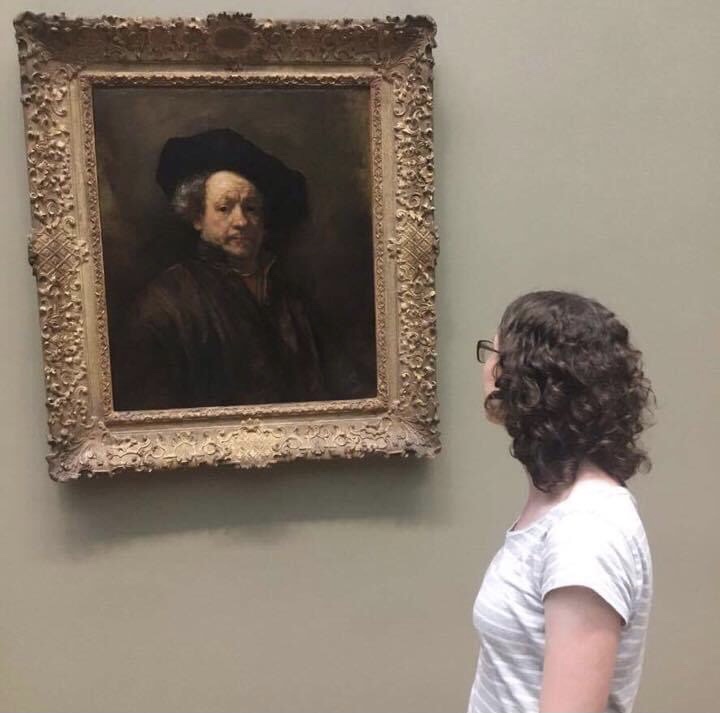
Today I want to share with you a marvelous section on Rembrandt in “The Vocabulary of Death” chapter of Pieper’s Death and Immortality book.

Continue reading