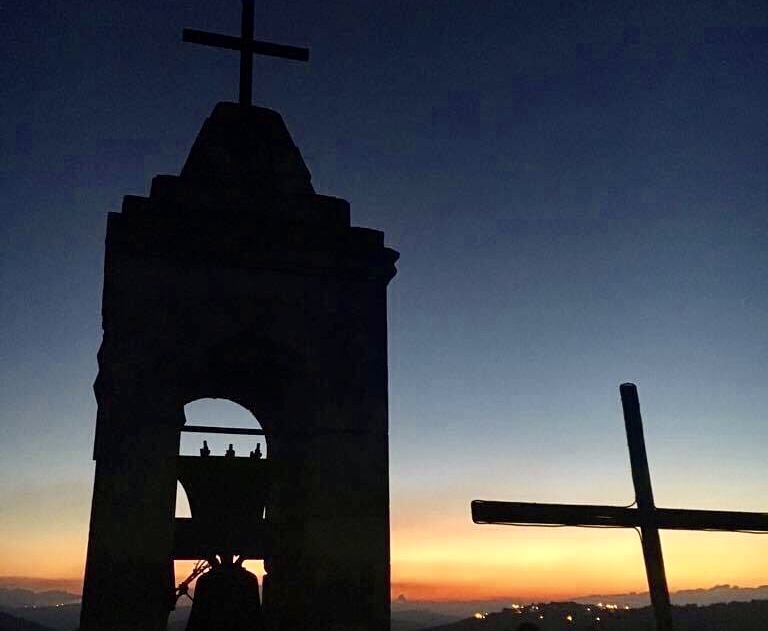
“Without the day of the Lord, we cannot live.”

In his splendid essay “On the Meaning of Sunday,” Joseph Ratzinger wrote about how the early Christians would say, “Without the day of the Lord, we cannot live.”

Take a look at how he describes this existential priority and what it means in the lives of those who hold to it:

“Without the day of the Lord, we cannot live.” This is not a labored obedience to an ecclesiastical prescription considered as some external precept, but is instead the expression of an interior duty and, at the same time, of a personal decision. It refers to that which has become the supporting nucleus of one’s existence, of one’s entire being, and it documents what has become so important as to need to be fulfilled even in the case of danger of death, imparting as it does a real assurance and internal freedom. To those who so expressed themselves, it would have seemed manifestly absurd to guarantee survival and external tranquility for themselves at the price of the renunciation of this vital ground. […] For them it was not a question of a choice between one precept and another, but rather of a choice between all that gave meaning and consistency to life and a life devoid of meaning.

I often think about this passage when reflecting on contemporary Christians who risk their lives to go to church in countries where there is severe persecution and repression.

There is indeed something luminous in the witness of those who would risk their lives to affirm the values that make life altogether precious in the first place.

It is a profound and potentially orienting question to contemplate: What is it in our lives without which our survival has no value?

Photo: Maronite Church in Kfar Baram in northern Israel in summer 2017

Worth Doing Badly

Tonight I am remembering the oft-cited G.K. Chesterton quotation, “If a thing is worth doing, it is worth doing badly.”

It is seems to me that some of the things I find particularly worth doing and so that remain worth doing, even badly, are: studying new languages, attempting new skills, and learning more about cultural and religious traditions.

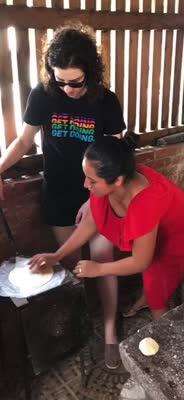
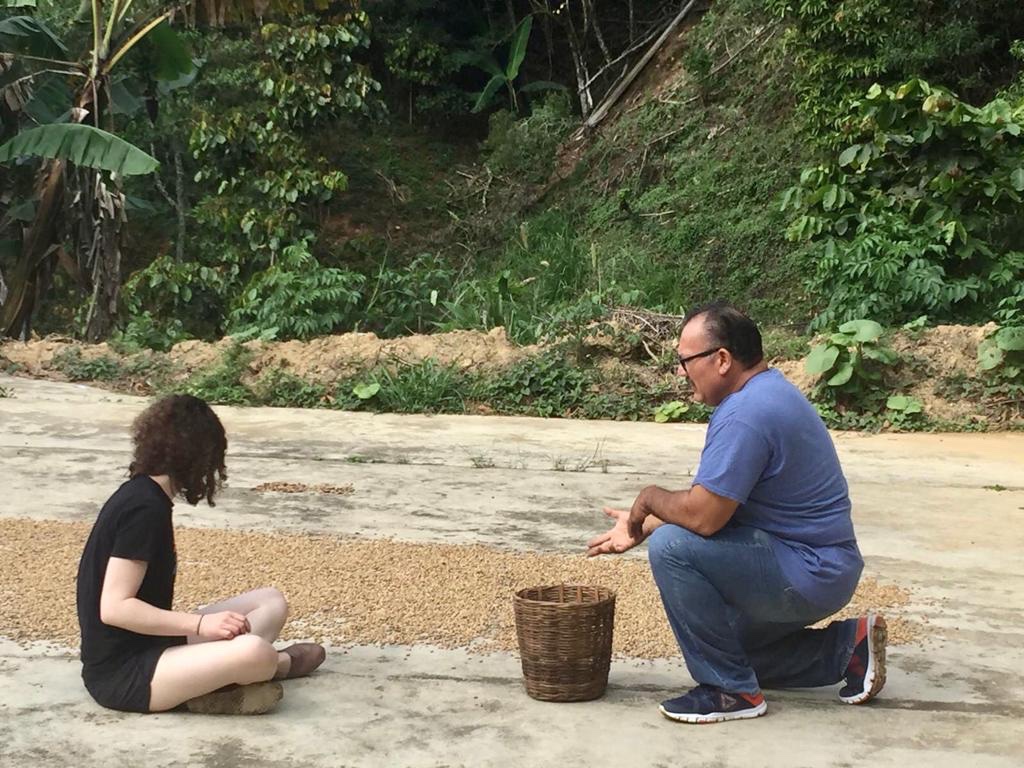
In the clip above, I was on a coffee plantation tour in Mexico when I stopped to attempt to make tortillas.

As you can see, it went rather badly.

As you can also see, I was smiling quite a lot and found it worth doing.

What is it about certain things that make them worthwhile even if we are not excellent at them?

In one of his letters, the poet Rainer Maria Rilke wrote:

Continue reading

Who exactly am I?

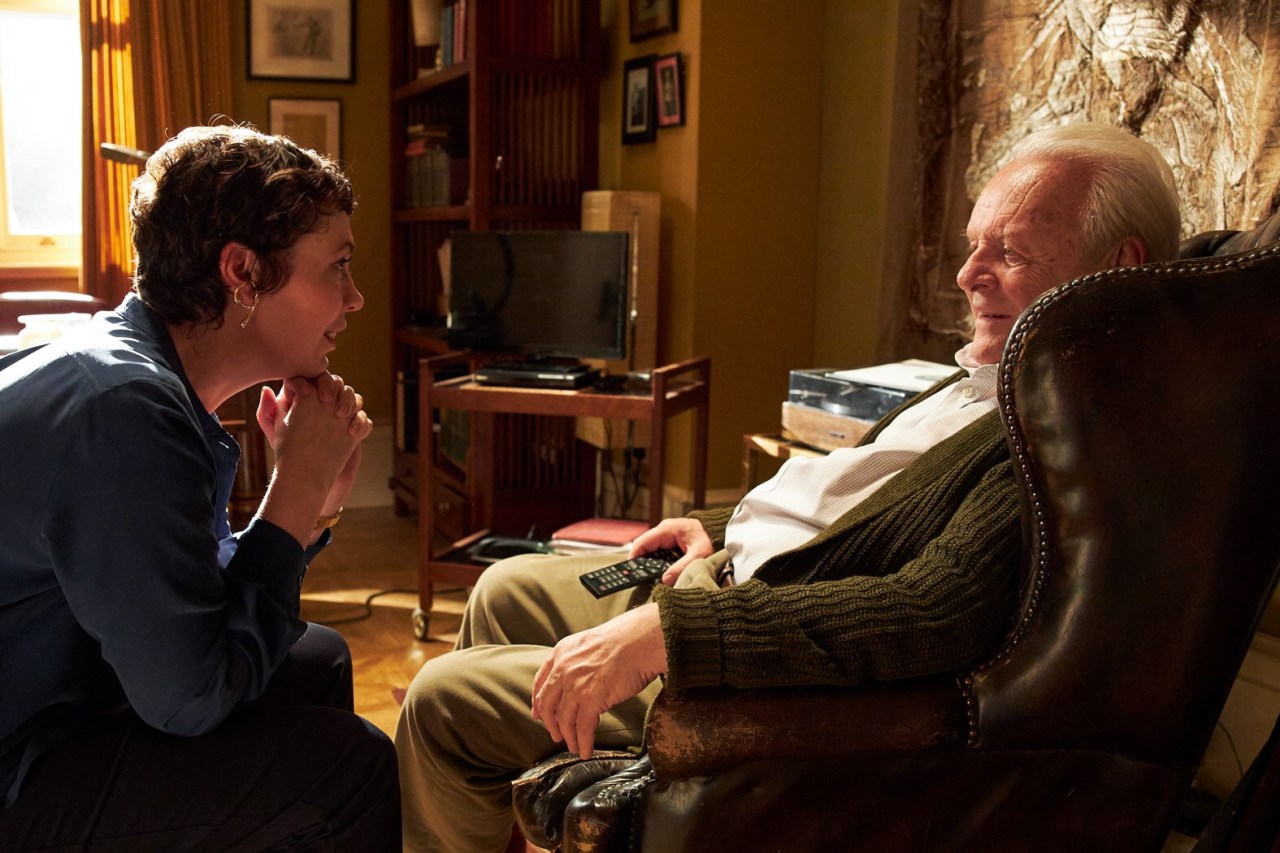
This evening I watched the film “The Father” – a drama that follows an elderly man’s experience of dementia.

The film is masterfully done and its artfulness consists in the way in which the disorientation and confusion of memory loss is simulated for the viewer.

Take a look at the trailer:

This film caused me to wonder: Why do Alzheimer’s and dementia happen specifically? I don’t mean biologically and physiologically, but rather existentially. What does it mean for humans to be the kinds of beings who, at the end of a long, successful, flourishing life can sincerely ask, “Who are you?” and “Who am I?”

Continue reading

To the Tomb of a Teacher

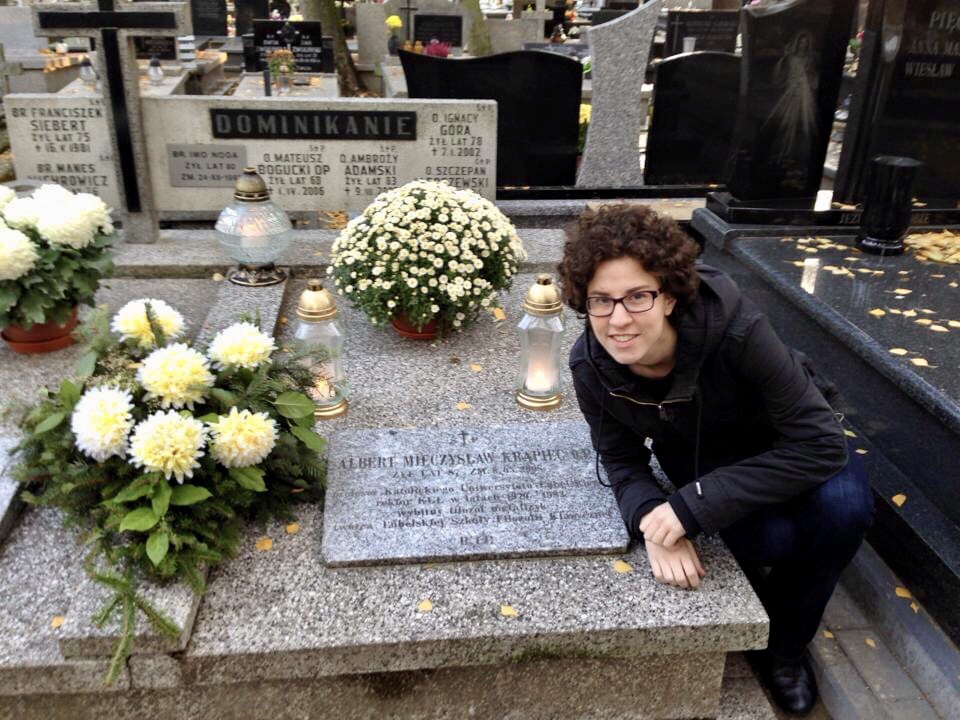
On this date in 2008, Mieczysław Albert Maria Krąpiec OP, passed away.

I learned about this man as I gradually also learned how to pronounce his name.

This Polish priest-professor was a former rector of my university and is considered the founder of the Lublin Philosophical School – the most notable proponent of whom became Karol Wojtyła/Pope John Paul II.

It was in my very first week of classes that a professor of mine named Fr. Maryiniarczk spoke in an earnest yet convivial manner about this tradition saying, “The Lublin Philosophical School prepared, amid a very harsh time, an understanding of the human person and of reality. We aim to continue in this tradition of realistic philosophy. Metaphysics is concerned with discovering the content of being, not a conception of being and not merely a definition of concepts. We do not try to grasp a theory of man, but rather to understand man himself. This is part of what is meant by the approach called existential Thomism – an integration of truth and experience in our lives.”

Continue reading

Seeing that we will die

Josef Pieper is truly one of the most wonderful (i.e., actually filled-with-wonder) philosophers of the twentieth century. Just when I thought that I had read most of his works, I discovered that he wrote a book entitled Death and Immortality. A huge thanks to St. Augustine’s Press for translating and publishing Pieper’s works and I especially look forward to reading the recently published parts two and three of Pieper’s three-part autobiography.

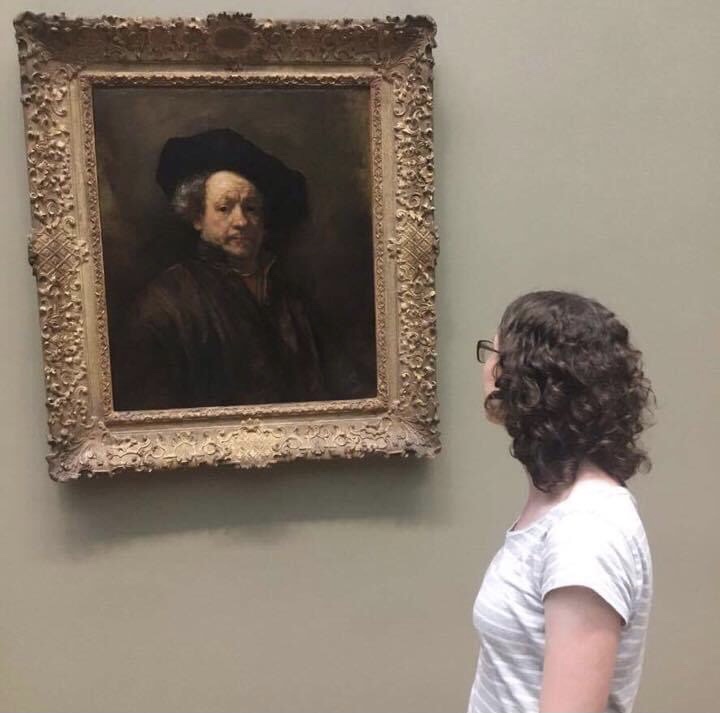
Today I want to share with you a marvelous section on Rembrandt in “The Vocabulary of Death” chapter of Pieper’s Death and Immortality book.

Continue reading

Those best prepared for death

The other day, Fr. Mike Schmitz released this video, “The Key to a Happy Death” in which he shares that a student recently asked him, “In your experience, have you found that people who live a long and fulfilling life are more prepared, or better prepared to die–that they’re able to let go of their life more easily?”

And to this, he answered no.

Continue reading

Something to offer

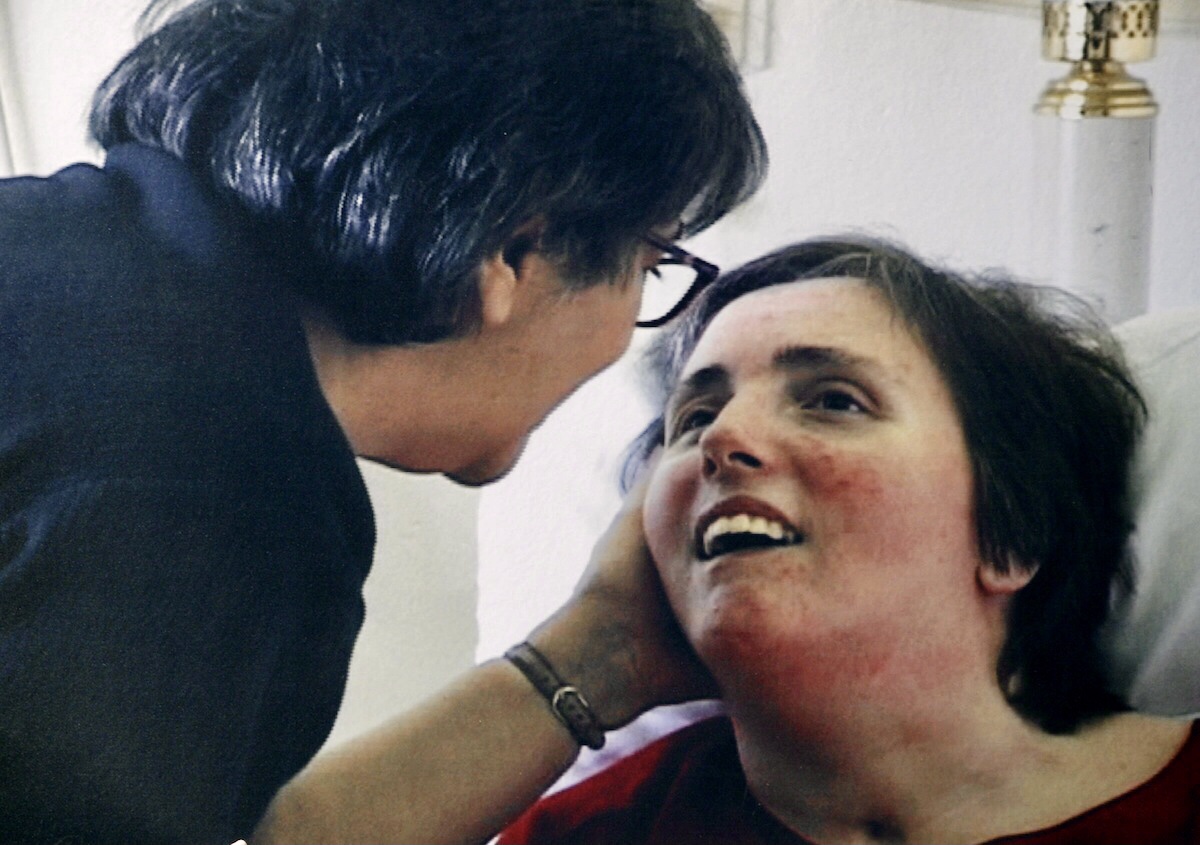
Sixteen years ago, Terri Schiavo died.

I remember that when she was in the news, I heard the term “vegetative state” for the first time. It immediately struck me as a completely inappropriate term for any person since it explicitly dehumanizes someone by applying an incorrect analogy. Initially the adjective meant, “endowed with the power of growth” but it has come to denote exactly the opposite in public bioethics – that a person is incapable of any significant growth or development. We do not tolerate those who would dehumanize others by calling them cockroaches, so we ought not tolerate the dehumanizing language that refers to persons as “vegetables.”

When I think about Terri Schiavo, I think especially about the impact that her life and death had on my friend Taylor Hyatt. She wrote this great piece several years ago titled, “13 days that changed my life: Remembering Terri Schiavo.”

In the piece, Taylor reflects on how Terri’s story captivated her when she was in Grade 7.

She wrote:

Continue reading

This is What I Like Best

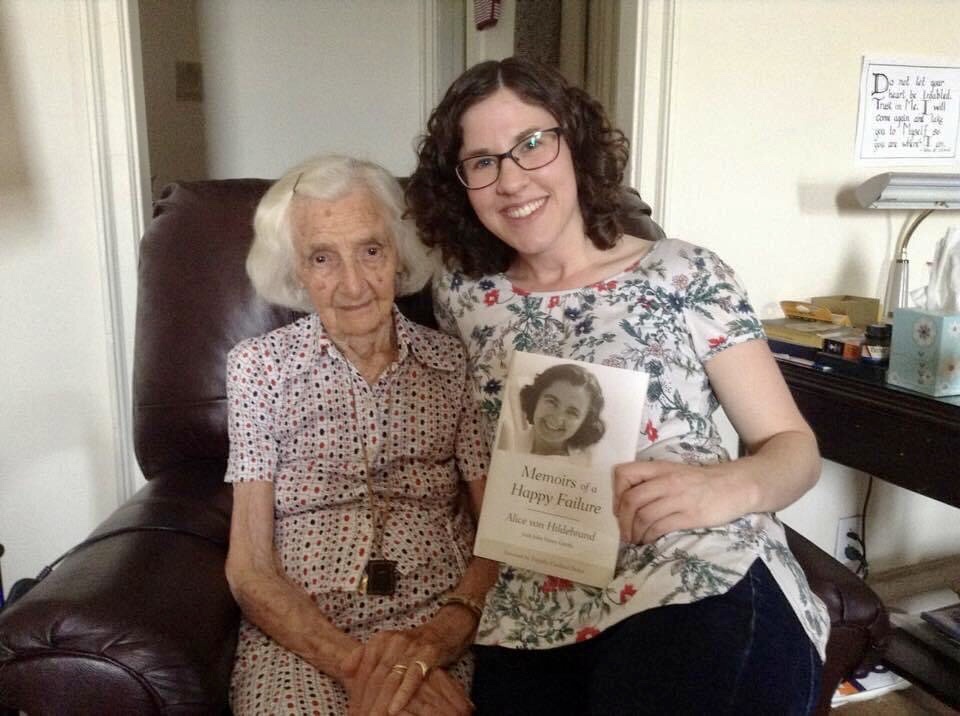
Today is Alice von Hildebrand’s 98th birthday. I was delighted to meet this wonderful philosopher, teacher, and author when I set out to visit her at her home in New Rochelle a couple years ago. The widow of eminent philosopher Dietrich von Hildebrand, Alice exudes a profound joy – that is, a joy that is rooted in her deep existential gratitude through which she has grown to love the reality of her present circumstances, no matter what they may be.

In honour of her birthday, I read this piece of hers titled, “Made for Joy“, in which she writes:

Continue reading

Giving Death Its Due

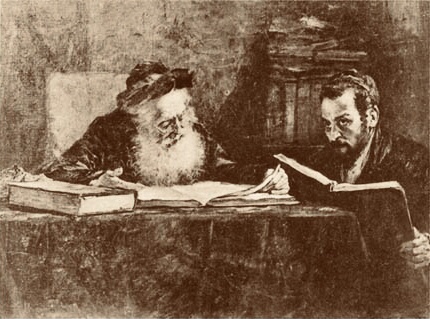
On of my favourite sections of the book After One-Hundred-and-Twenty: Reflecting on Death, Mourning, and the Afterlife in the Jewish Tradition by Hillel Halkin is about the proper measure of grief in our lives and our communities.

Hilkin writes:

“The basic approach of the rabbis in Semahot [a rabbinic text on death and mourning] is to allow sufficient space for grief while channeling it into formulaic expressions and surrounding it with numerous prescriptions that make sure its desirable limits are not exceeded. Death is a blow that must not be faced alone; it requires the support of others; the emotions it arouses must be acknowledged and given voice to; yet they are best expressed in time-tested ways that never carry mourners past the point from which they can find their way back to normal functioning within a reasonable amount of time. Mourning is not just a private affair. It is the concern of the community, which is thrown off balance if one of its members fails to recover from a death quickly enough. Life has its rights, too. If a funeral and a wedding procession meets in the streets of the town, Semahot rules, the mourners must turn aside from the path of the bride, since ‘respect for the living precedes respect for the dead.’ Should you have to choose between paying a condolence call and attending a celebration for the birth of someone’s child, choose the celebration.”

Next, Halkin recounts this story from the same source about Rabbi Akiva when his son became seriously sick:

Continue reading

Justifying Our Contempt for Death

In Antoine de Saint-Exupéry Wind, Sand and Stars, the author discusses the character of both his friend Guillaumet as well as that of an old gardener in juxtaposition with the story of a suicide. Take a look at the contrast between them that he paints by his description:

Continue reading