Where is Your Devotion to the Mystery of the Person?

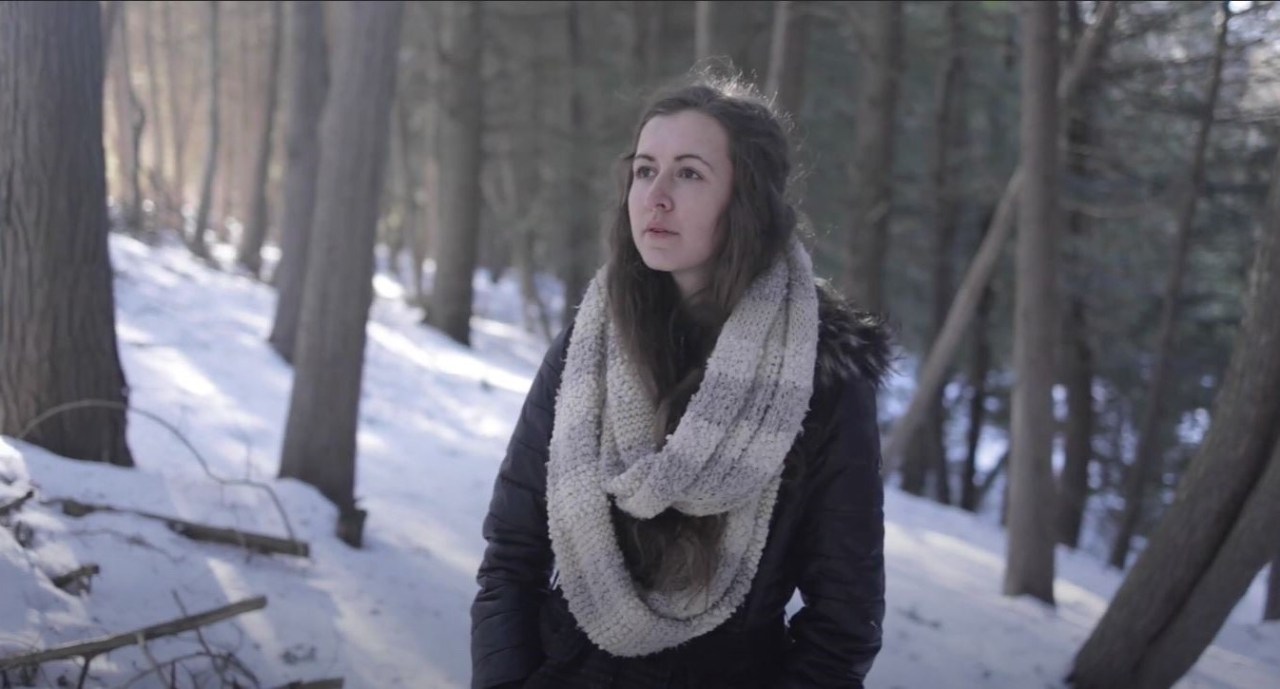
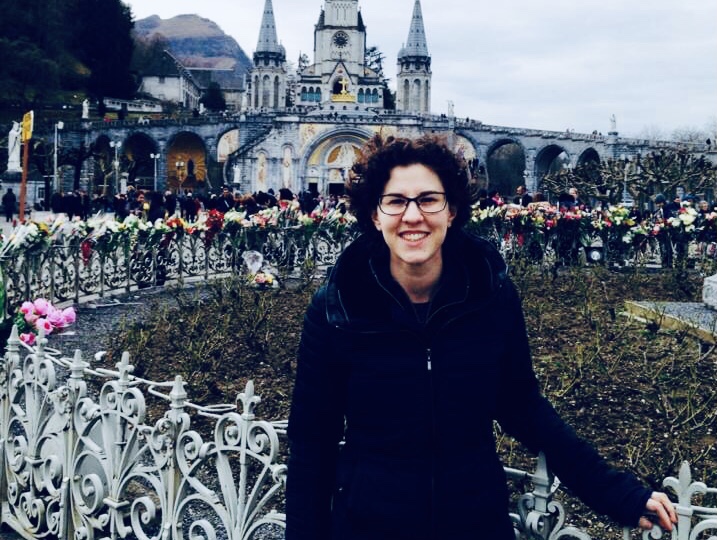
Recently, I sat down with my friend Anna to listen to some of her stories.

It might surprise you that this young woman told me, “The happiest time of my life was working 16-hour days in a retirement home during COVID.”

“My body ached and my heart rejoiced,” Anna testified.

She spoke with such empathy about the elderly residents.

“Imagine! A person who has lived a hundred years might be reduced to ‘June at Table 20.’ The residents might have lived a long, fruitful life only to be reduced to their dietary preferences in their final months and years.”

Because Anna regards these seniors’ long lives with reverence, she does not like to see nor participate in taking such a reductive view of the human person.

Instead, she relishes doing her utmost to serve the residents and considers every conversation as an opportunity for a meaningful interaction.

“My favourite residents are the ones who would get agitated easily,” Anna told me. “And it became a challenge: ‘How can I make them happy?'”

Continue reading

Caregiving as a school in humanity

This evening I read a short book written by my friend and colleague’s grandmother.

In the brief memoir, Walk with Me: growing rich through relationships, author Judy Rae reflects on the experience of caring for her husband Joe while he developed Alzheimer’s.

Presented with honesty and infused with a faith, Rae offers a window into how caregiving can be a school in humanity.

Judy recounts the pain and sorrow of watching her husband lose his memory and she does not skirt the undeniably tragic dimensions of this disease.

“I have been told that when a person is diagnosed with Alzheimer’s disease, he is introduced to a world of loneliness, rejection, terror, confusion, misinformation, and termination. Can this tragedy bring with it any victory into our lives?” she asks.

Rae speaks about how Joe became embarrassed and humiliated by what he could no longer do or remember. Despite the continual accompaniment, affection, and affirmation of his wife, Joe’s feelings of uselessness regularly caused him to get frustrated with himself and even to cry.

Continue reading

“If we die, we want to die together.”

Today I listened to this podcast episode that one of my best friends recommended in which Rahf Hallaq, a 21-year-old English language and literature student, speaks about the terror of experiencing the Israeli airstrikes in Gaza.

“She’s so articulate in humanizing herself and her community,” my friend told me in offering the recommendation.

When I listened, I was amazed. I think it is the first time that I ever cried while listening to a podcast. In fact, there were a couple occasions that I teared up while listening to Rahf share her story.

Apart from geopolitical calculations and political arguments, Rahf gives us a window into the impact that wider events are having on her own life in a way that is very concrete and personal.

In fact, Rahf’s testimony reminded me of what Eva Hoffman noticed about a Dutch Jewish woman who kept a diary during the Holocaust when she said, “Etty Hillesum lived at a time when the macrocosm of historical events almost completely crushed the microcosm of individual lives.”

Like Etty Hillesum, Rahf Hallaq, through this podcast episode, sought not so much to give a sweeping account of the political situation as to give us an account of her own soul.

It is moving to hear of her speak about her passion for books.

“My dad is the one who made the love of books grow inside me,” she reflects.

Then she shares about the impact of reading Orwell’s 1984 saying, “I mean, when you’re living under oppression, and when you read those books, you feel like you’re not the only one who’s going through this. You feel like these words are actually speaking about you and to you. They give you the power to talk about your own ideas after that.”

Naturally, she was totally devastated about the bombing of a local bookstore that was connected to so many memories for her and her friends.

In the episode, Rahf also speaks about how families in Gaza all huddle together in the same room during the airstrikes because, “If we die, we want to die together.”

Listening to her speak about how her dad used to try to tell her that the bombs were fireworks, in an effort to put her at ease, is also heartbreaking.

My friend was completely right. This story humanized Rahf and the people of Gaza.

It is hard to fathom the real lives of Gazans, but hopefully Rahf will be able to continue bearing witness to “the microcosm of individual lives” by sharing her own experiences with such candor and poise.


Something to offer

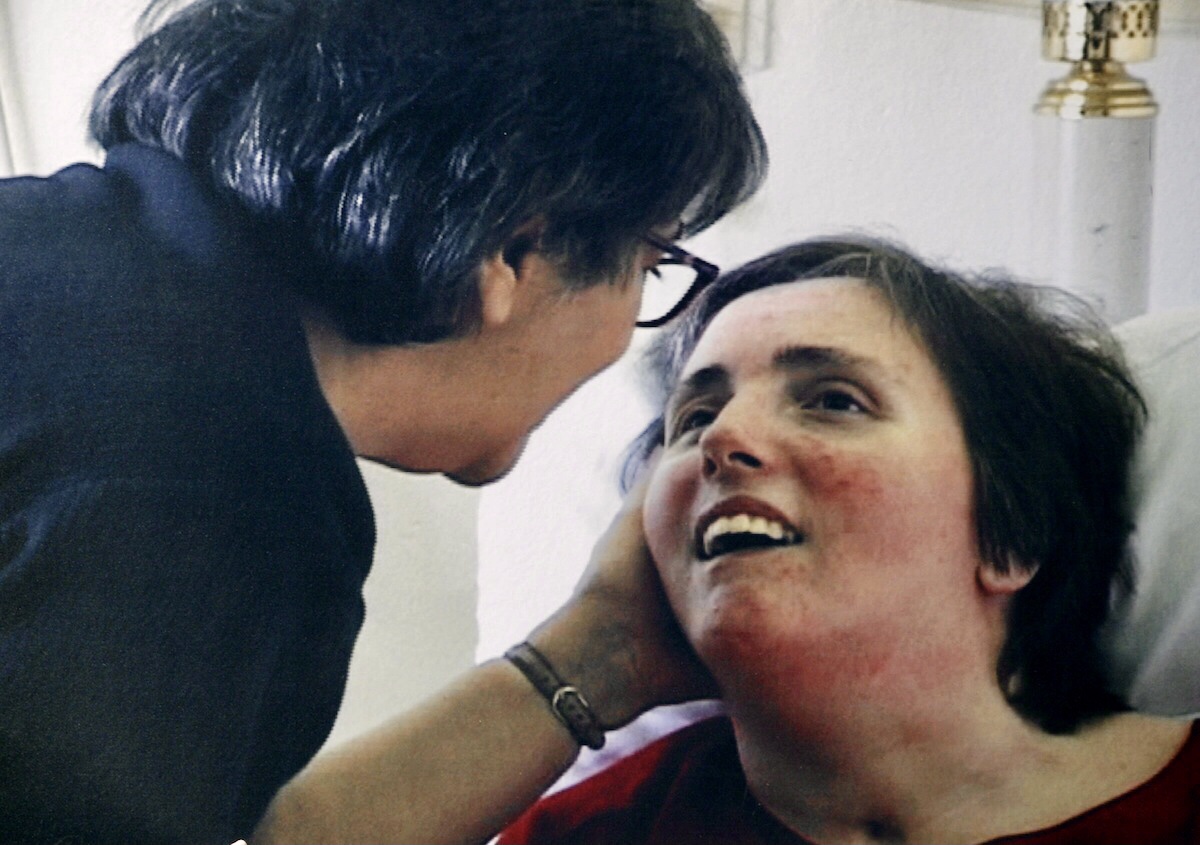
Sixteen years ago, Terri Schiavo died.

I remember that when she was in the news, I heard the term “vegetative state” for the first time. It immediately struck me as a completely inappropriate term for any person since it explicitly dehumanizes someone by applying an incorrect analogy. Initially the adjective meant, “endowed with the power of growth” but it has come to denote exactly the opposite in public bioethics – that a person is incapable of any significant growth or development. We do not tolerate those who would dehumanize others by calling them cockroaches, so we ought not tolerate the dehumanizing language that refers to persons as “vegetables.”

When I think about Terri Schiavo, I think especially about the impact that her life and death had on my friend Taylor Hyatt. She wrote this great piece several years ago titled, “13 days that changed my life: Remembering Terri Schiavo.”

In the piece, Taylor reflects on how Terri’s story captivated her when she was in Grade 7.

She wrote:

Continue reading

Cemeteries As Colourful As Life

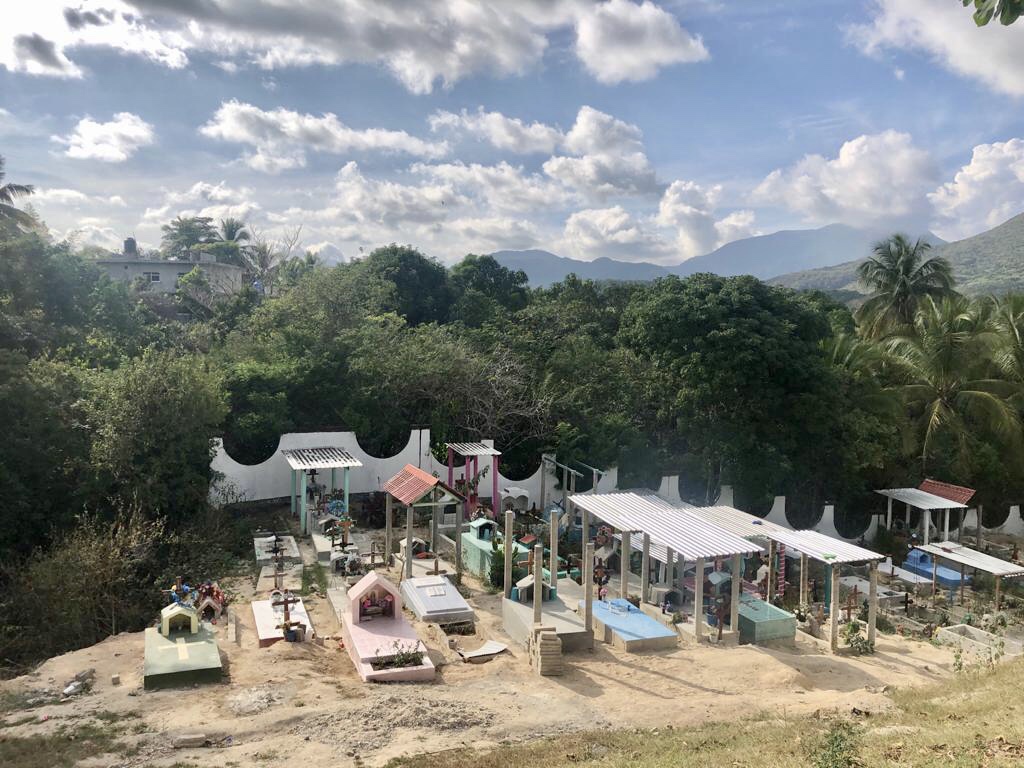
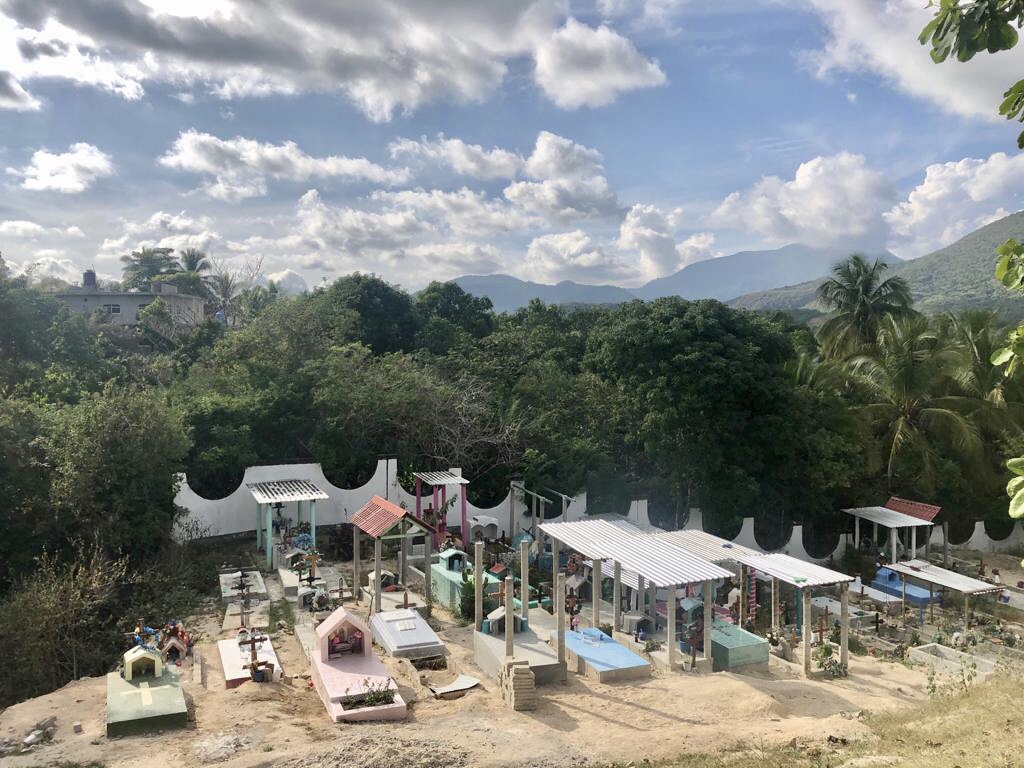
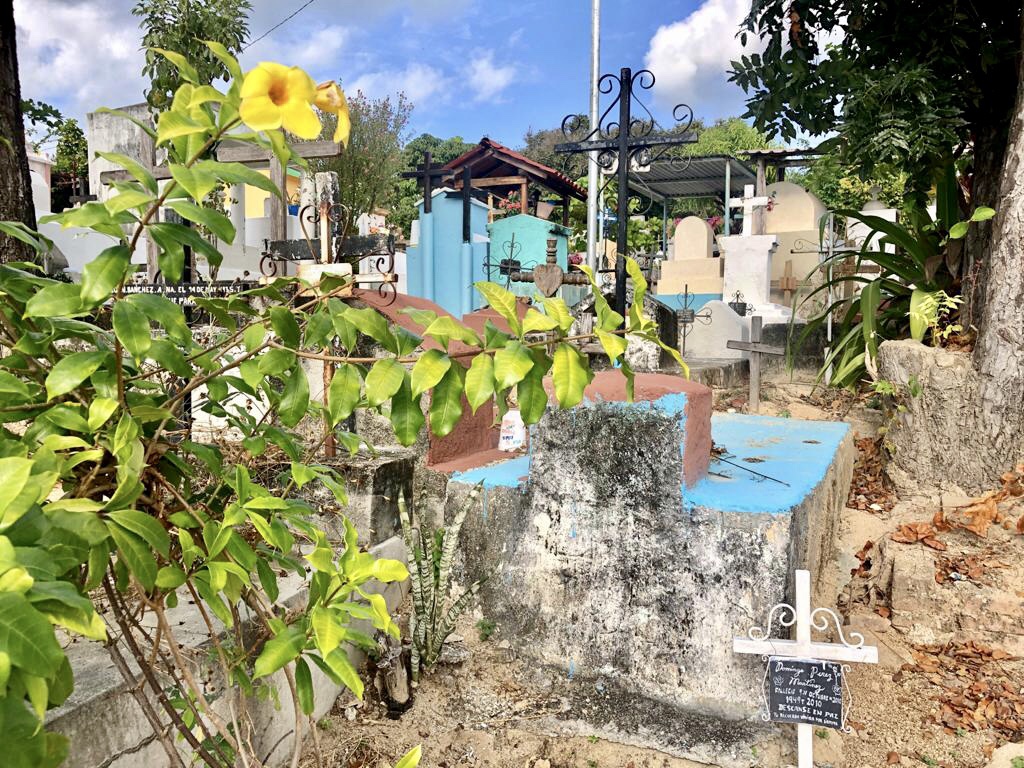
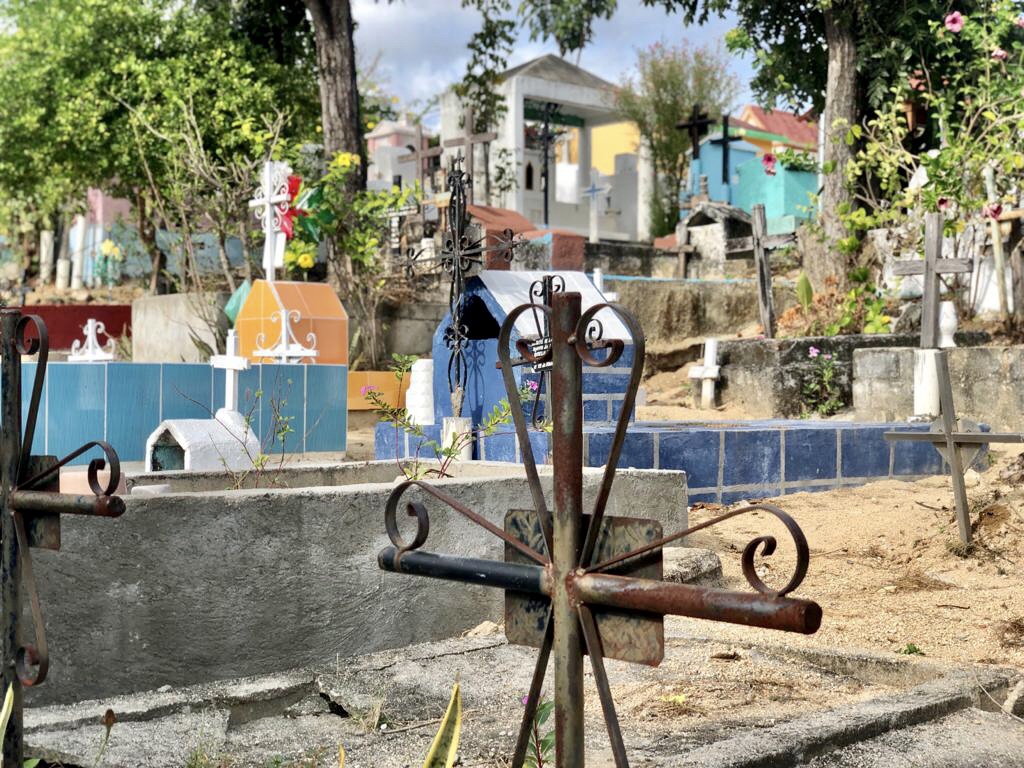
In December 2019, I was strolling through the Cemetery at Santa Maria Huatulco.

It struck me how colourful the Mexican cemetery is, and I noticed that the cemeteries are as colourful as the rest of the community. Take a look at these images:

Probably this cemetery in Mexico is the most vibrantly colourful cemetery I have visited to date.

This serves to make the cemetery as attractive and inviting and as other parts of town.

I often reflect on why it is that our hospitals in Canada are so drab. Only the Children’s Hospitals, if any, seem to be bright and colourful. Most of the time, they live up to what you imagine when you hear the word “clinical.”

What does it say about a culture when the hospitals and cemeteries are colourful and when they are not?

Do you think it’s appropriate or worthwhile for such places to be colourful? Why or why not?

If You Can Tell A Story

Is it really possible to blog about death in a way that is consistently uplifting and enlivening every single day of the year?

It’s certainly a challenge.

And is it possible to tell edifying stories about the difficult, messy, and painful realities of life with grit and sincerity?

Not only is it possible. It’s vitally necessary.

Continue reading

Meet the People Granting Wishes to the Dying

One of this blog’s readers, Lisa Wright, reached out to me to share about the organization she co-founded called the Living Wish Foundation.

Lisa, who is an Registered Nurse specializing in palliative care, and her co-founders established the Foundation with the mission “to provide medically supervised and supported end of life wishes to patients in the region who are facing a terminal diagnosis.” They do this by granting wishes that enable patients to reframe hope so to enhance their quality of life until their death.

I was fascinated by this initiative, and delighted to interview Lisa by phone to learn more.

In particular, I wanted to hear from her about how granting wishes serves to “reframe hope.”

Continue reading

This World Day of the Sick

In 1993, John Paul II inaugurated the World Day of the Sick to be celebrated each year on February 11th. He wanted the annual day to serve as “a special occasion for growth, with an attitude of listening, reflection, and effective commitment in the face of the great mystery of pain and illness” and he specifically addressed all those who are sick, calling them “the main actors of this World Day.”

What did he mean by this?

Continue reading