Could there be a more beautiful farewell?

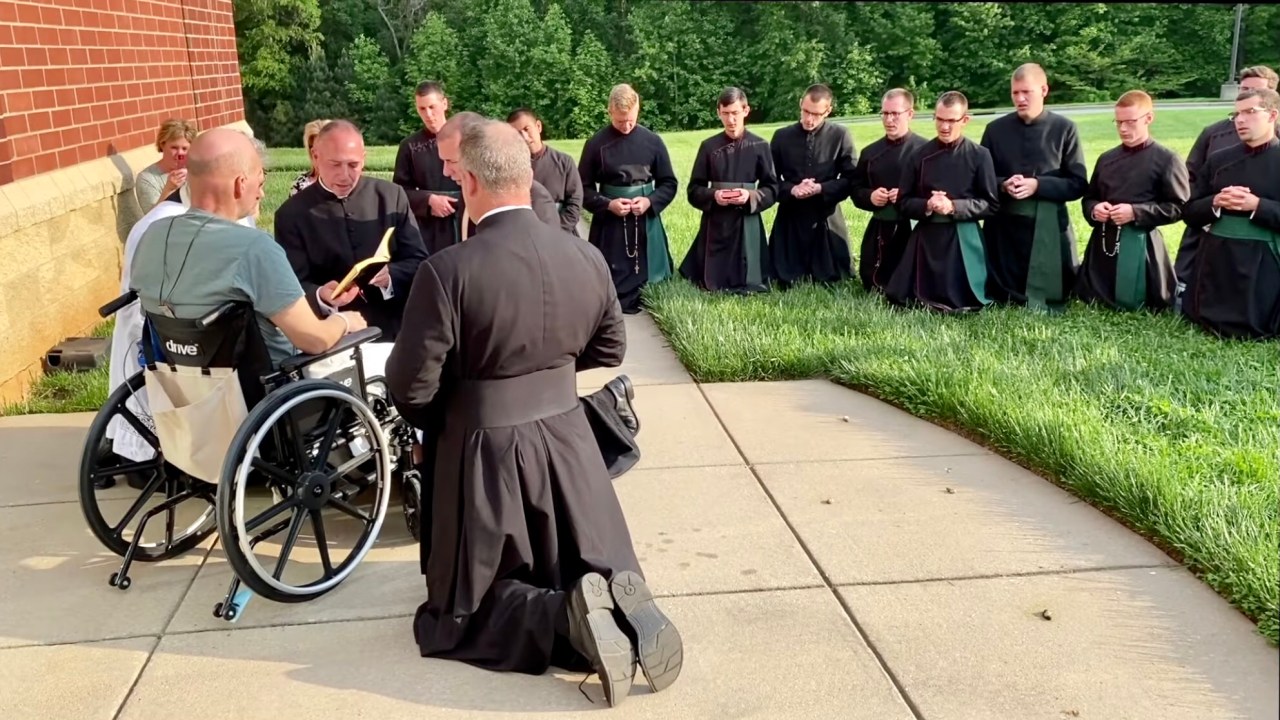
Today a friend and colleague of mine shared this incredibly moving video in which a priest who has received a terminal diagnosis bids farewell to the priests, seminarians, and women religious surrounding him with prayer and affection.

With birds chirping, the sunlight shimmering, and a gentle breeze blowing, it seems like Heaven was smiling upon this tender and profound occasion.

Father Michael Kottar speaks briefly saying, “In case I die…” What he chooses to say next reveals the clarity of a person of faith approaching death with a sense of what matters ultimately.

Watching the eyes of Fr. Kottar’s young listeners receiving his words with such ardour and brightness makes an impression. We have the sense that the future of which he speaks is being entrusted into good hands.

Is there any value to a bucket list?

The first time I made a bucket list–which I always insisted on simply calling a life list–I was about 12-years-old.

I almost certainly got the idea to write down my life goals from Oprah, Dr. Phil, or Dr. Laura Schlessinger– all of whom I paid attention to at that age.

And so I wrote up a mission statement for my life (which I still have memorized) and wrote down a long list of all the goals I could possibly dream of.

Over the years I kept adding to it until the list became about 190 items long with the note: “To be always continued… As long as I have breath, I will live with passion and purpose.”

The items were listed in no particular order, although the fact that “Eat Greek Salad in Greece” was number one indicates how highly enthusiastic I was about that one.

Some goals were quite serious (e.g., 3. Make and honour a lifelong commitment , 23. Never be “too busy” for people, 55. Speak in front of 1,000 people or more about something important, etc.).

Some goals were quite civic and reflected my early passion for politics and history (e.g,. 28. Vote in every election in which I am eligible, 49. Visit New York and the United Nations Headquarters building, 31. Put a poppy on the Tomb of the Unknown Soldier monument on Remembrance Day in Ottawa, 101. Visit Fort McMurray, etc.).

Continue reading

Death is Contagious

Today I was reading through Henri Nouwen’s correspondence and came across some interesting reflections of his in a letter he wrote to a friend whose father had just passed away.

In a 1987 letter addressed to Jurjen Beumer, Henri Nouwen wrote:

Many thanks for your very kind letter. I am very moved by what you write about the death of your father. I am so happy that you had a good and cordial farewell. I realize how important that is for you, especially since you told me a little about the tensions in your relationship with your father. Somehow I am convinced that this is a very important moment in your life, a moment in which you are facing your own mortality in a new way and where your father will become become a new companion in your own journey. I am deeply convinced that the death of those whom we love always is a death for us, that is to say, a death that calls us to deepen our own basic commitments and to develop a new freedom to proclaim what we most believe in.

Have you ever considered whether the death of a loved one has been a mini-death for you in the way Nouwen describes?

Is it true that the death of a loved one “calls us to deepen our own basic commitments and to develop a new freedom to proclaim what we most believe in”?

Continue reading

Parting Words

If you died today, what are the last words of yours that your loved ones might find in your bag, on your computer, in a text message, or on your desk?

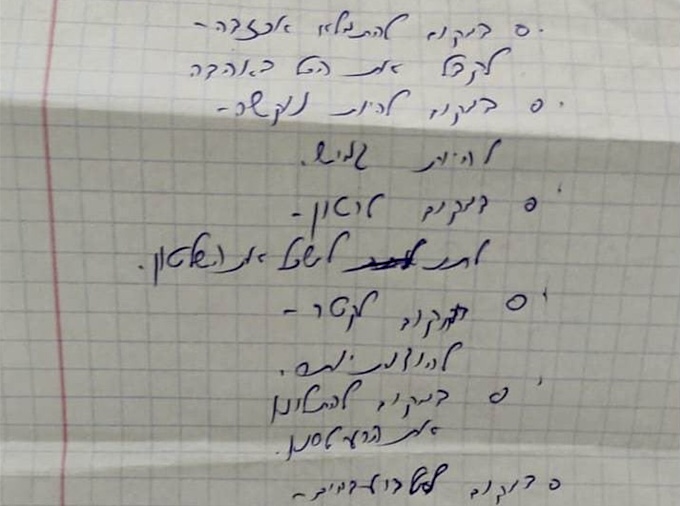
One of the victims of the recent tragedy in Meron reportedly gave his friend an envelope and told him not to open it until Sunday.

Rabbi Shimon Matlon could never have imagined that he would die that very night and that his note would be opened not only to his friend but to the world.

According to this source, the letter said:

Continue reading

Art guarded with your life

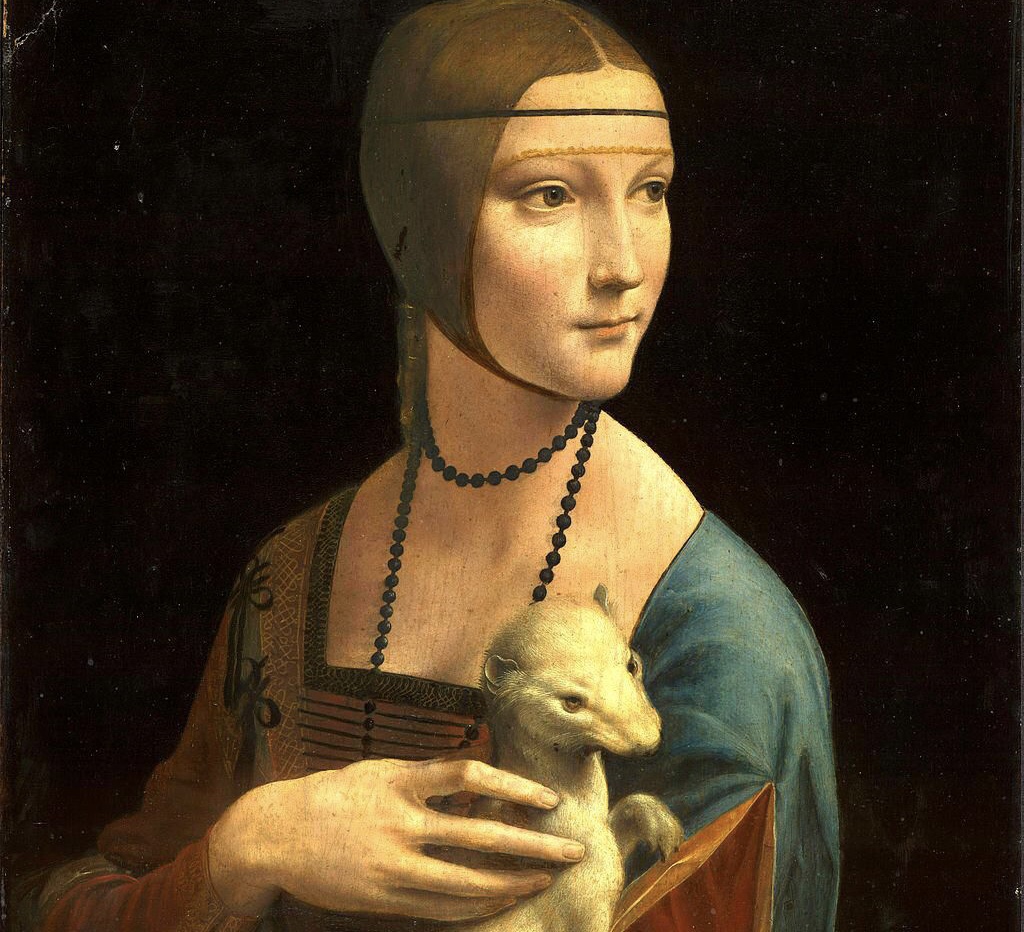
Leonardo da Vinci died on this date in 1519 and so today I am recalling the occasions on which I have had the opportunity to view some of his paintings.

One experience that especially stands out was when I saw the Lady with an Ermine painting at Wawel Castle and Cathedral in Poland. There was a long line to see this painting and only a few museumgoers at a time could enter the room in which the painting was exclusively displayed. Once my friends and I finally crossed the threshold and entered the room containing the painting, we noticed the armed guards attending to it.

This was several years ago when Islamist terrorists were wreaking havoc and attacks were a high threat in Europe. I thought about the armed guards and how it was that they were defending this artwork with their lives, particularly when there was a real threat of terrorism in key sites epitomizing our civilization.

Continue reading

Is your work to die for?

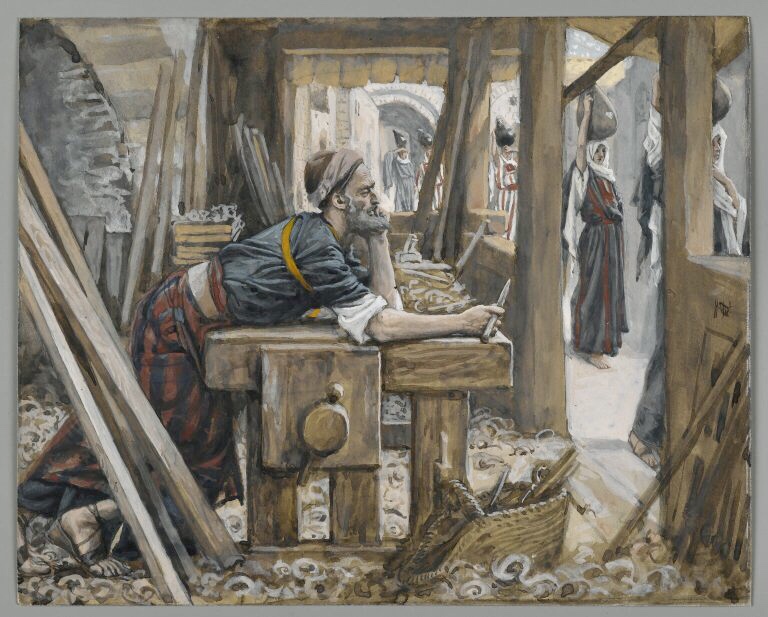
Today is the feast of St. Joseph the Worker and this post examines Pope Francis’ beautiful Apostolic Letter “With A Father’s Heart” to explore the practical ways in which we can see work as a context for self-gift through which we fulfill the meaning of our lives.

I have organized the themes of the letter into the following eight categories. Each category begins with a excerpt from the letter and then includes a question or two for our contemplation of some possible practical applications.

1. Names and Relationships:

Continue reading

What You Are Doing Is Important

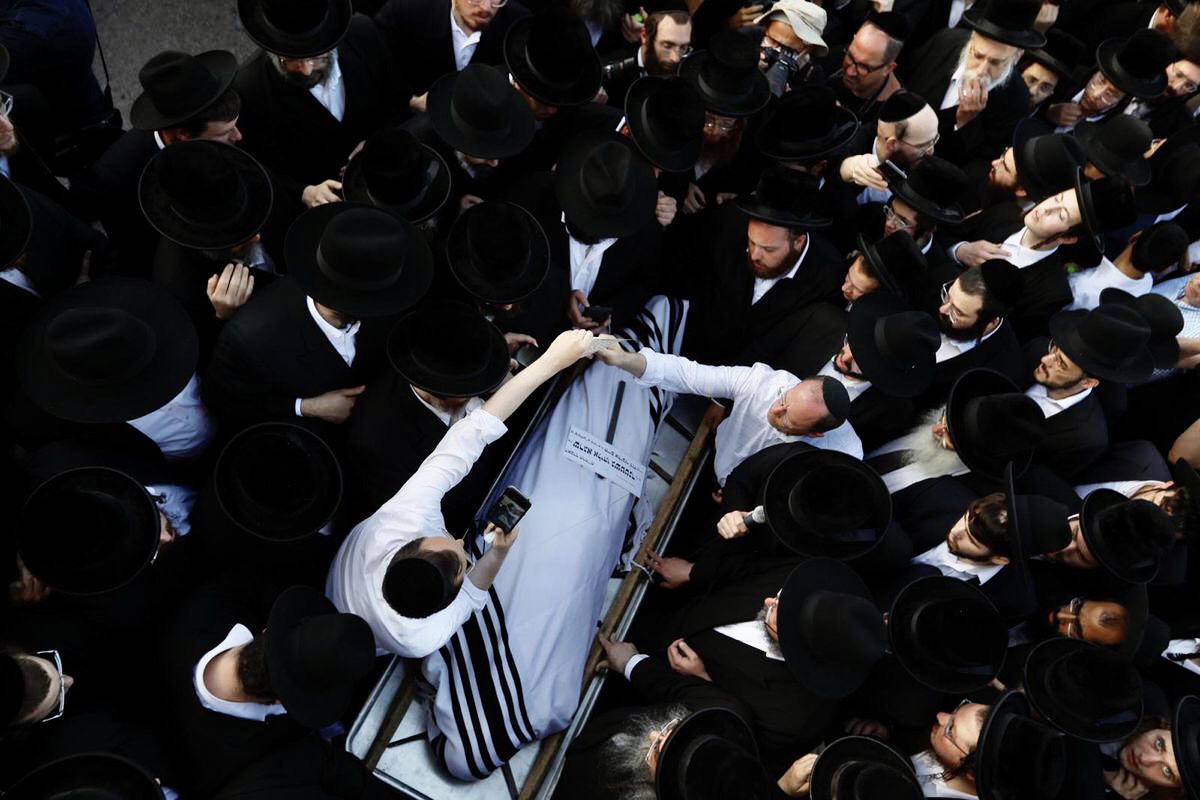
What a remarkable photo it is taken by Ariel Schalit for the Associated Press. The caption in this Globe and Mail story says, “Mourners gather around the body of Shraga Gestetner, a Canadian singer who died during Lag BaOmer celebrations at Mt. Meron, in northern Israel, on April 30, 2021.”

Shraga Gestetner was among those accidentally trampled and killed in the midst of a big celebration in Israel. Many commentators are reflecting on the heightened fervour and enthusiasm among those who were finally able to gather for the annual event, partly in celebration of the luminousness of Judaism’s mystical teachings.

The Montreal-born victim had been in Israel without any of his family members and he was buried immediately in accordance with Jewish law.

Continue reading

Twitter Has a Character Limit that Epitaphs Do Not

Twitter has a character limit – by which I do not mean the 160 maximum characters allowed in a Twitter bio nor the 280 maximum characters allowed in a tweet.

Of course I mean to highlight the limits we find in bio blurbs and tweets when it comes to revealing anything substantive about a person’s actual character from a moral standpoint.

However, it is not the circumscribed brevity that leads to the omission of character.

The case in point for this for me came from reading Martin Mosebach’s The 21: Journey into the Land of Coptic Martyrs.

In the chapter titled, “With the Martyrs’ Families”, Mosebach recounts travelling to visit the homes of the families of the Coptic Christians who were martyred by Islamists on the coast of Libya in 2015.

These poor Egyptian Christian martyrs did not have Twitter accounts. In fact, Mosebach gives us a sense of their lifestyle by indicating that these men didn’t sleep on sheets, didn’t have bathtubs, and were likely acquainted with fleas and lice.

Continue reading

Unflinching from the sacrifice

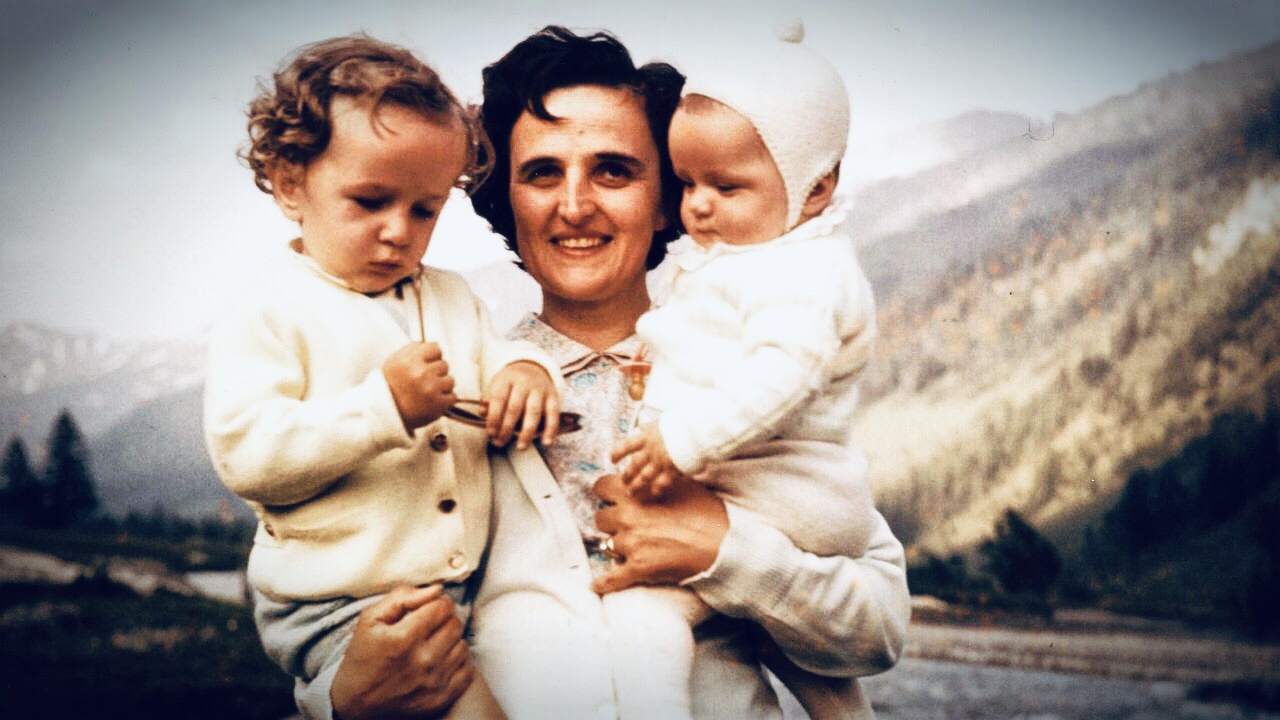
I’m thankful to a friend who reminded me that today is the feast day of St. Gianna Beretta Molla and who, accordingly, suggested that I devote today’s post to her.

Gianna was an Italian Catholic pediatrician and mother of four. She is known for refusing life-saving medical interventions that would have resulted in the death of her fourth child with whom she was pregnant at the time.

While it would have been morally licit for her to opt for the interventions in an attempt to save her own life, since the loss of her child would have been wholly unintended and inadvertent, Gianna was willing to die in order that her unborn child might live.

How someone comes to such a decision with faith and courage is almost never momentary happenstance. As John Paul II put it– that Gianna knew how to offer her life as a sacrifice was the crowning of an exemplary existence.

Continue reading

What would you do with a longer life, anyway?

I just finished re-reading Leon Kass’s splendid essay, “L’Chaim and Its Limits: Why Not Immortality?

I was reminded of that 2001 piece when I read this interview published yesterday about Archbishop Emeritus Charles Chaput’s new book Things Worth Dying For: Thoughts on a Life Worth Living.

Leon Kass begins his piece by exploring the primacy of life in Judaism and our wider culture’s interest in prolonging life and forestalling death.

Then, he raises some questions:

Continue reading