“Your listening is medicine for me.”

Tomorrow, April 7th, is Genocide against the Tutsi Memorial Day.

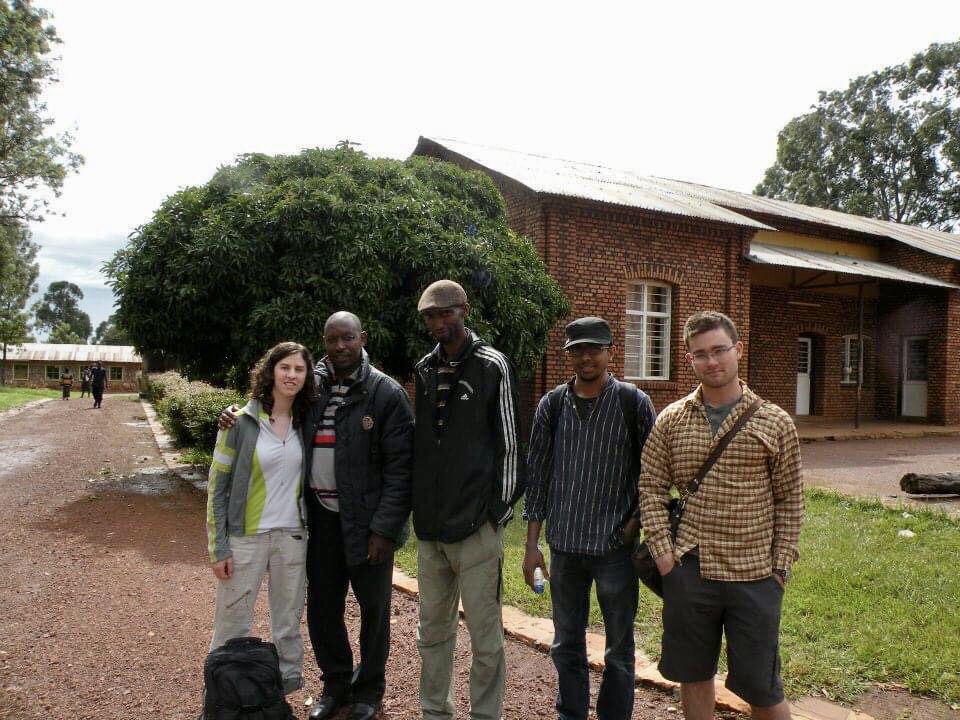
Nine years ago, I participated in the Reflections on Rwanda program to study this genocide, especially through encountering rescuers and survivors and listening to their stories.

Some of my family and friends were not sure why I wanted to go on a genocide study a trip.

I even met a professor (of Genocide Studies, no less) who described travelling to the sites of historical genocides as voyeurism.

Continue reading

We are all terminal, so what’s your decision?

One of the best things about doing this daily blog is that my friends now think to share with me anything particularly good and interesting about death or dying that they’ve seen or heard lately.

And so, quite a few of my friends have brought up this homily by Fr. Mike Schmitz’s from Palm Sunday:

In it, he says, “We’re all going to be dead at some point and I don’t think that that’s the problem. I think the problem is that we pretend that we’re not. We pretend that that’s not true and then, when tragedy happens, when death cuts close, I think it cuts through the illusion that my choices don’t matter.”

Continue reading

The Longest Line to See Nothing

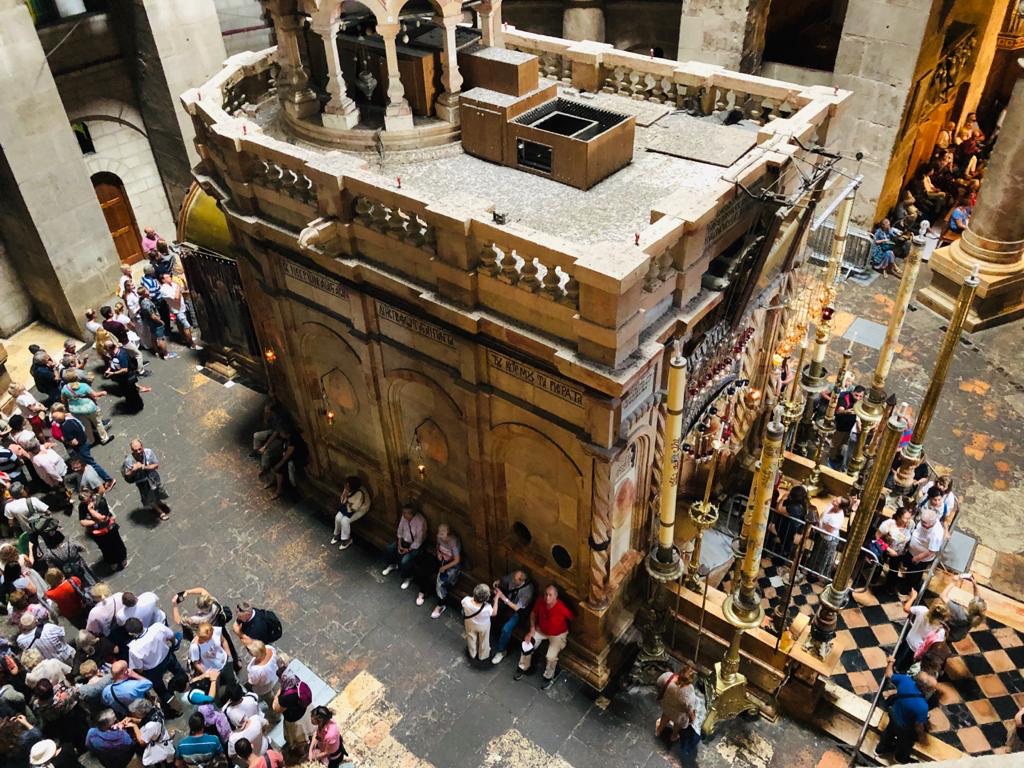
The Church of the Holy Sepulchre in Jerusalem is a place to which thousands of pilgrims flock every day to see what isn’t there.

It is quite amusing, in fact, to wait in line for hours in order to see a place that you know to be empty.

Life is filled with a great many paradoxes. It is a paradox that the cross, which was an instrument of torture, became an instrument of divine reconciliation and the most enduring symbol of Christian faith. It is a paradox that the empty tomb became the sign of the fullness of Christian hope – that we “will not all die, but we will all be changed” and that “Death has been swallowed up in victory.”

Continue reading

Where are your wounds?

Thanks to a dear friend of mine who recommended this fantastic episode of The Rubin Report in which David Rubin speaks with Bishop Robert Barron and Rabbi David Wolpe about what Easter and Passover teach us about freedom and hope.

I am equally recommending the episode and could not be more impressed by the quality of Jewish-Catholic relations presented in this cordial and substantive conversation.

In the course of the discussion, Rabbi Wolpe says, “This South African author, Alan Paton, has a beautiful scene in one of his novels about a guy who goes to heaven and he comes before God and God says, ‘Where are your wounds?’ And he says, ‘I don’t have any wounds.’ And God says, ‘Why? Was there nothing worth fighting for?'”

Continue reading

Responding to Death with Poetry

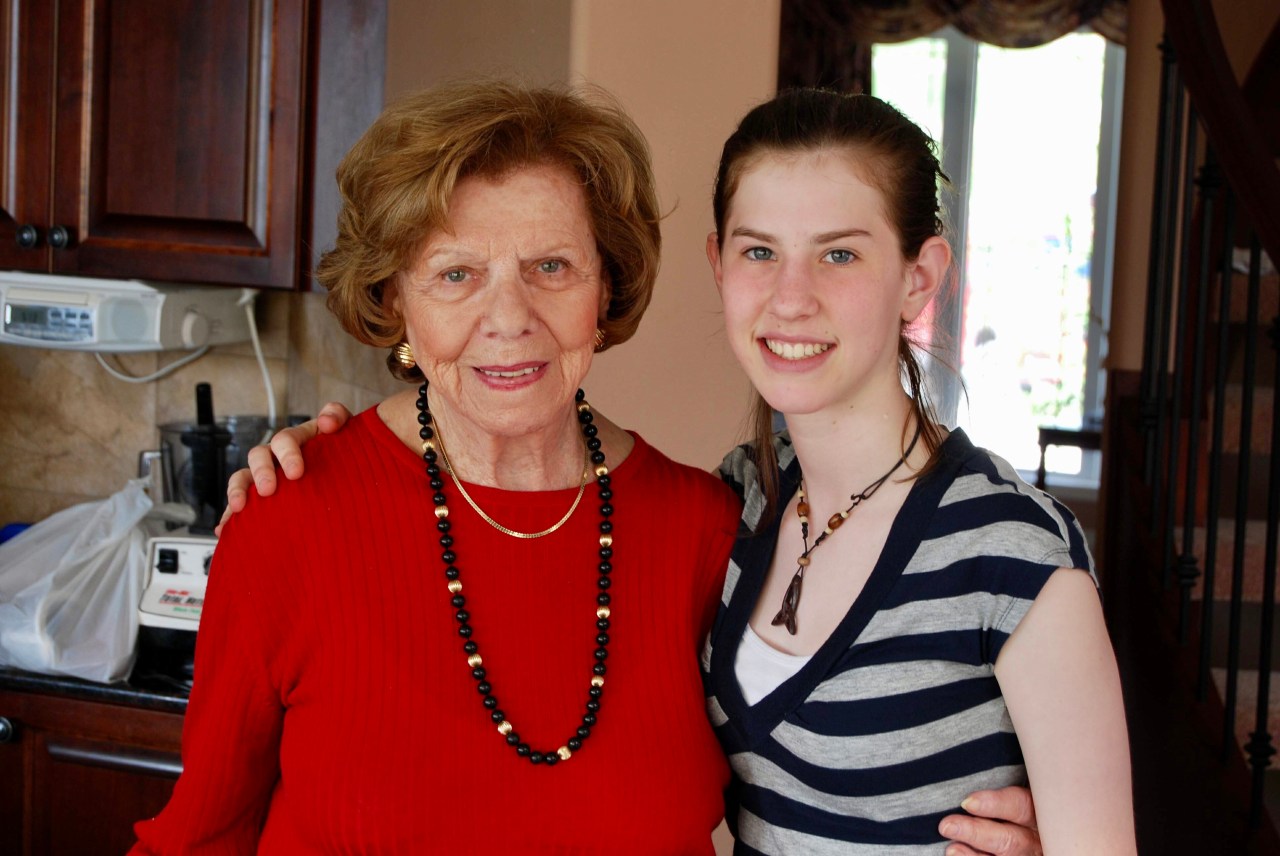
My grandmother died on September 22, 2009 between Rosh Hashanah and Yom Kippur. A few days after her death, when I was 18, I wrote this poem in memory of her, which I just found again today:

A Tribute to My Grandmother

I first met my grandmother
When I was very young
She held me in her arms
Before I had turned one

My family ventured to Toronto
And she and grandpa came to Calgary
Those times were special then
Always remembered they will be

When I was only four
My grandma called me near
I didn’t like her nickname for me
She used to call me ‘dear’

So we agreed upon ‘Mandy’
This name for only her to call me
Her precocious little granddaughter 
And I would call her ‘Bubbie’

I remember the trips to Toys ‘R’ Us
With my brother to choose toys
We could pick almost anything
As long as it would bring us joy

My grandma loved education
And she always called me clever
She knew my commitment to my education
Would surely last forever

In her final years
Bubbie grew old and frail
But my grandpa visited her
Every day without fail

I learned unconditional love
Through the witness that they gave
To a love that knows no bounds
And to a love that is very brave

Sometimes it was hard to see my grandma
Lost and confused in her mind
Then I’d remember though
How much her heart was refined

My grandma’s life was a gift
From the God who I do praise
The Lord is compassionate and loving
In all His mighty ways

Ever since I was a child, writing has been my favourite creative outlet. Whenever someone would die or whenever I would grapple with the mystery of suffering and death, I would scribble words of poetry and reflection to contend and find meaning.

In addition to being a helpful outlet at the time, I find it interesting to look back on what I wrote in the past and to discover how sealing those memories through creative acts magnifies the memories I hold.
Achievement in Dying

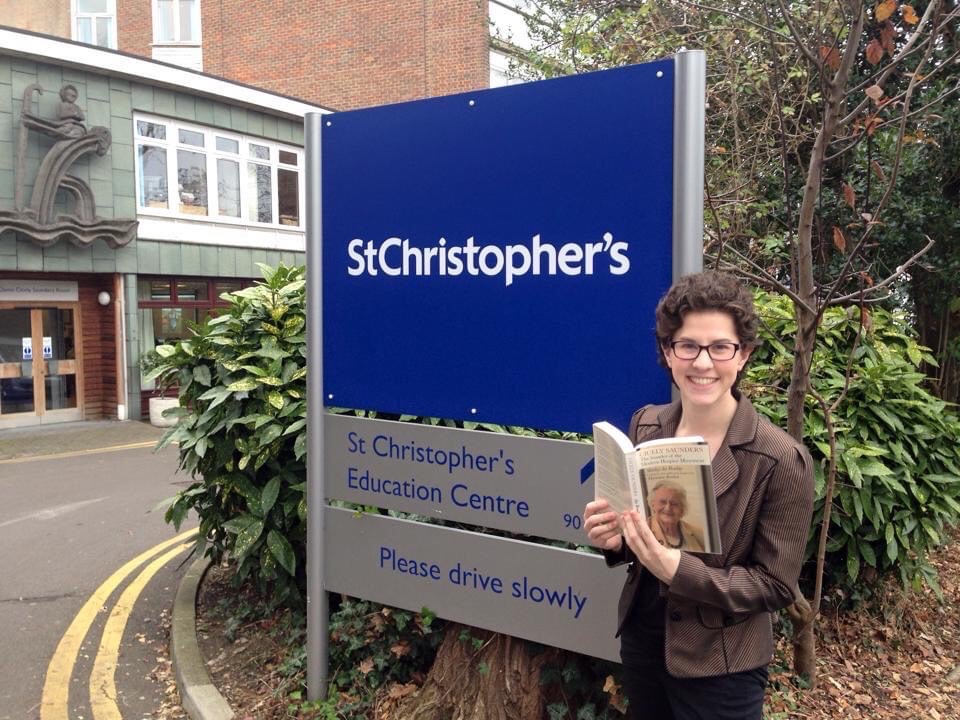
Founder of modern palliative care, Cecily Saunders, was the 1981 Laureate of the Templeton Prize.

In her address, this section, in which she speaks about “achievement in dying”, especially struck me:

The first challenge was for the better understanding and control of pain. The seven years part time volunteer experience in St Luke’s and the later seven years full time developing this in St. Joseph’s laid the foundation for the increasingly sophisticated symptom control that means hospice today. There was much more to learn from St. Joseph’s from the strength and prayerfulness of the community of the Irish Sisters of Charity and, above all, from uncounted hours with the patients. It was they who showed me by their achievements how important the ending of life could be and many that I knew briefly and a few long stay patients, friends over the years, are the real founders of St. Christopher’s. One, another Pole, special among them all, left me other key phrases. When I told him he had not much further to go, he asked me, ‘Was it hard for you to tell me that?’ When I said that it had been, he said, ‘Thank you. It is hard to be told, but it is hard to tell too. Thank you’. We have to care what we say; this work is hard and demanding as well as rewarding. Two other things he said were separated by some three weeks. The first, ‘I do not want to die, I do not want to die’. The second, ‘I only want what is right’. Sometimes people ask me what I mean by achievement in dying. Here was one, Gethsemane made present today.

Later, in the same address she says:

Continue reading

Something to offer

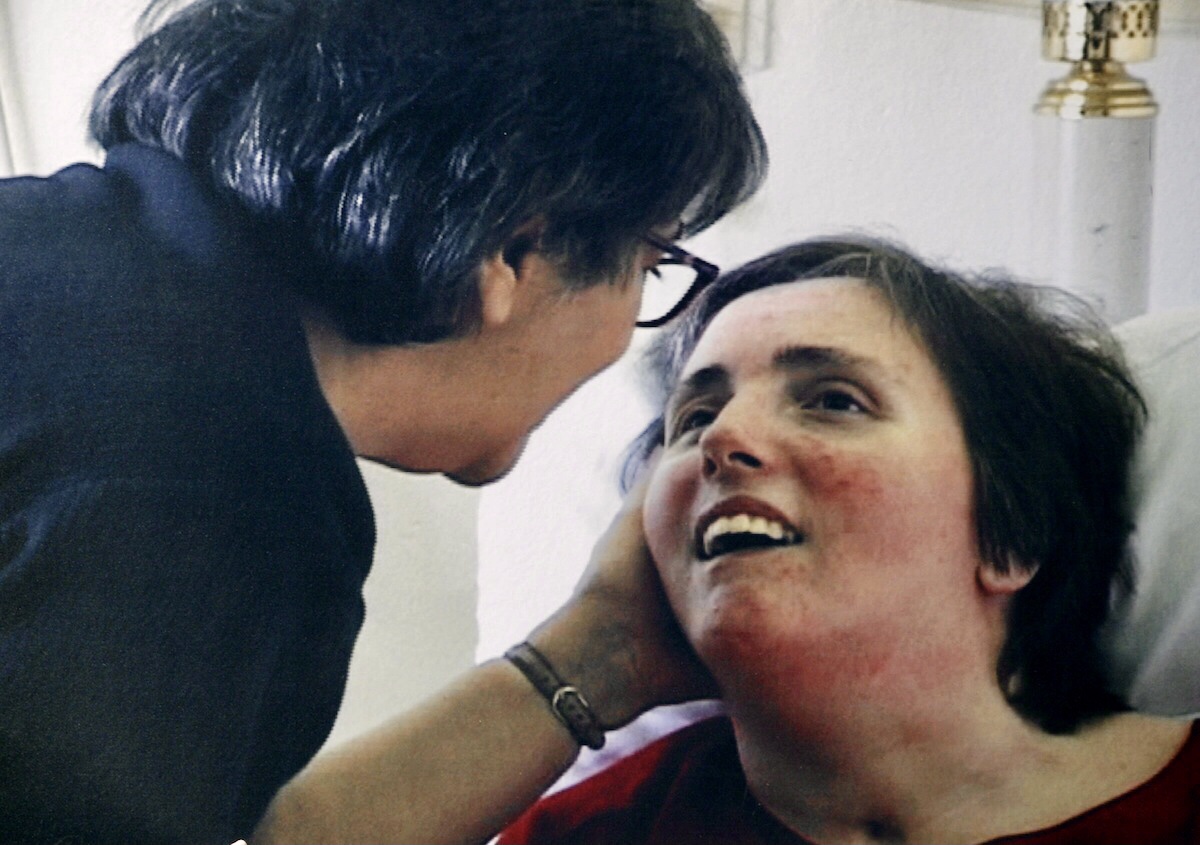
Sixteen years ago, Terri Schiavo died.

I remember that when she was in the news, I heard the term “vegetative state” for the first time. It immediately struck me as a completely inappropriate term for any person since it explicitly dehumanizes someone by applying an incorrect analogy. Initially the adjective meant, “endowed with the power of growth” but it has come to denote exactly the opposite in public bioethics – that a person is incapable of any significant growth or development. We do not tolerate those who would dehumanize others by calling them cockroaches, so we ought not tolerate the dehumanizing language that refers to persons as “vegetables.”

When I think about Terri Schiavo, I think especially about the impact that her life and death had on my friend Taylor Hyatt. She wrote this great piece several years ago titled, “13 days that changed my life: Remembering Terri Schiavo.”

In the piece, Taylor reflects on how Terri’s story captivated her when she was in Grade 7.

She wrote:

Continue reading

Doing away with superstitions

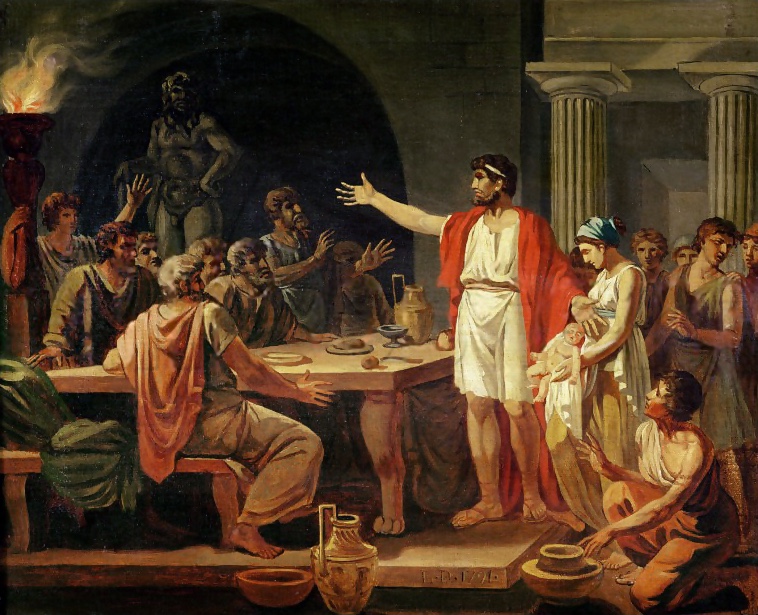
One of my favourite classical texts is Plutarch’s Parallel Lives. In writing about the lives of noble Greeks and Romans, Plutarch said his intention was not so much to write history as to write edifying moral biographies.

He said, “For I do not write Histories, but Lives; nor do the most conspicuous acts of necessity exhibit a man’s virtue or his vice, but oftentimes some slight circumstance, a word, or a jest, shows a man’s character better than battles with the slaughter of tens of thousands, and the greatest arrays of armies and sieges of cities. Now, as painters produce a likeness by a representation of the countenance and the expression of the eyes, without troubling themselves about the other parts of the body, so I must be allowed to look rather into the signs of a man’s character, and thus give a portrait of his life, leaving others to describe great events and battles.”

In introducing the life of Lycurgus, Plutarch even admits, “Concerning Lycurgus the lawgiver, in general, nothing can be said which is not disputed, since indeed there are different accounts of his birth, his travels, his death, and above all, of his work as lawmaker and statesman.”

Nevertheless, he has much to say about Lycurgus and his efforts “to make his people free-minded, self-sufficing, and moderate in all their ways.”

One section that I found particularly interesting is about burial. Here’s what Plutarch tells us:

Continue reading

No One Dies Alone

This evening my aunt, who is a primary nurse at the Rockyview General Hospital, shared with me a bit about her experiences as a nurse both before and amidst the pandemic.

In particular, she told me about a program initiated in 2015 called No One Dies Alone. This project of Alberta Health Services is a effort to ensure that any patient, who is without family or friends to visit them as they approach death, is met with some form of intentional companionship.

My aunt told me that, throughout the entire pandemic, she does not think anyone has died alone at her hospital. Most have had family and friends who were able to visit and for those who did not, they were accompanied by volunteers or clergy.

Continue reading

Will loss enhance appreciation?

I recently asked a young woman about what ways she has found to profit from the situation of living during a pandemic.

Her immediate answer was that she came to truly value attending church because this is something that had been taken away during to the periods of lockdown. Prior to the pandemic, she would often skip church because of her erratic work hours, but once she had experienced the loss of this possibility that was not on her own terms, she resolved to make church attendance, when possible again, a non-negotiable commitment in her life.

This is a testament that we value that which costs us.

If something costs us nothing, it is natural to expect that we will not value it highly.

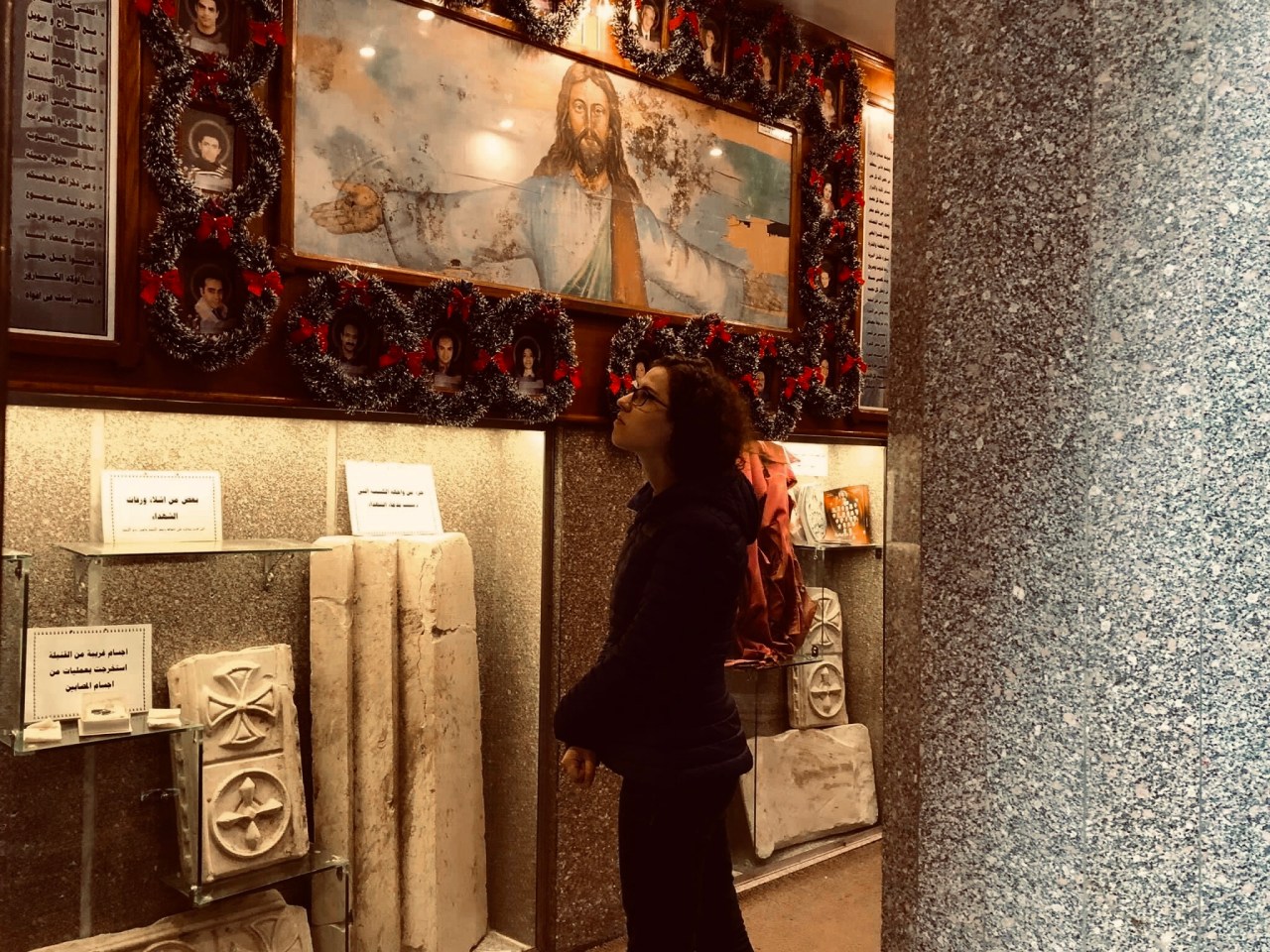
And so I am also reminded of the ardour with which persecuted Christians attend church.

Continue reading